
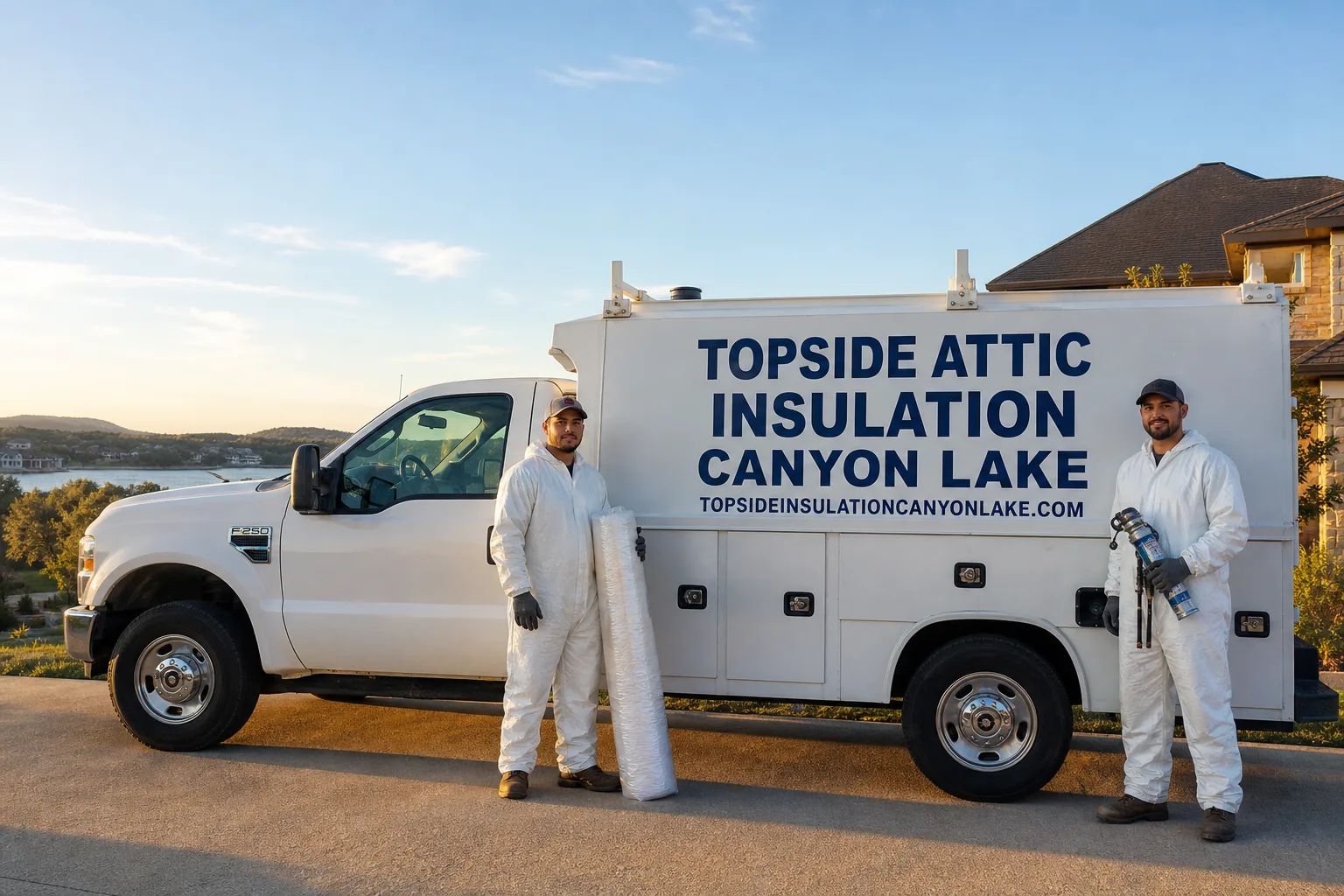
Fast, Reliable Blown-In Insulation Across Cibolo
Blown-in insulation in Cibolo typically costs between $1,800 and $4,200 for a standard attic, with most two-story tract homes falling in the $2,400-$3,600 range after air sealing. We’re usually on-site within 24-48 hours of your call, and same-day starts are common for attic top-ups. Our crews know the master-planned subdivisions here, from Steele Creek to Cibolo Valley, and we understand the specific construction shortcuts that leave upstairs rooms 8-12°F hotter than downstairs. Call (737) 227-6219 for a written price before any work starts.
Why Topside Attic Insulation Canyon Lake Is Cibolo’s Preferred Blown-In Insulation Company
We’ve sealed and insulated more than 9,000 homes since 2016, and a growing share of those are right here in Cibolo’s newer neighborhoods. Homeowners in this city research thoroughly before hiring, and they find us through word-of-mouth in subdivisions where we’ve already solved the upstairs-downstairs temperature gap. Our reviews from Cibolo customers consistently mention the before-and-after blower-door numbers we publish, the written price they received upfront, and the documented photo record they walked away with.
Response time matters in July when your upstairs hits 85°F. We dispatch from our San Antonio office, and crews serving Cibolo carry GreenFiber cellulose, Owens Corning fiberglass, and Knauf materials on the truck. That local inventory means no waiting on a distributor run while your attic sits open.
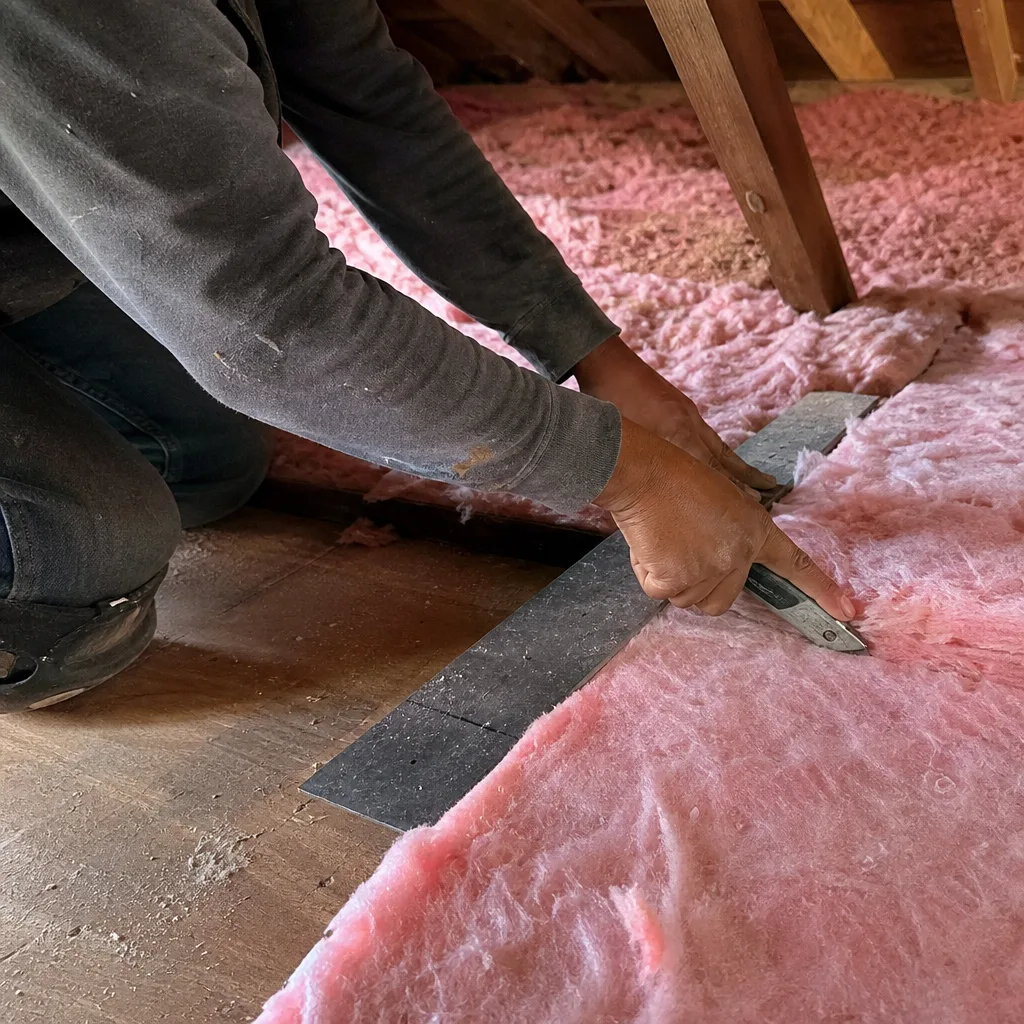
What separates us is the sequence: we air-seal first, then insulate. In Cibolo’s tract homes, production builders often skipped sealing around top plates, can lights, and plumbing penetrations. Blowing new insulation over those leaks is like pouring water into a cracked bucket. We seal every penetration, then blow. The blower-door test proves the difference.
Our Blown-In Insulation Services in Cibolo
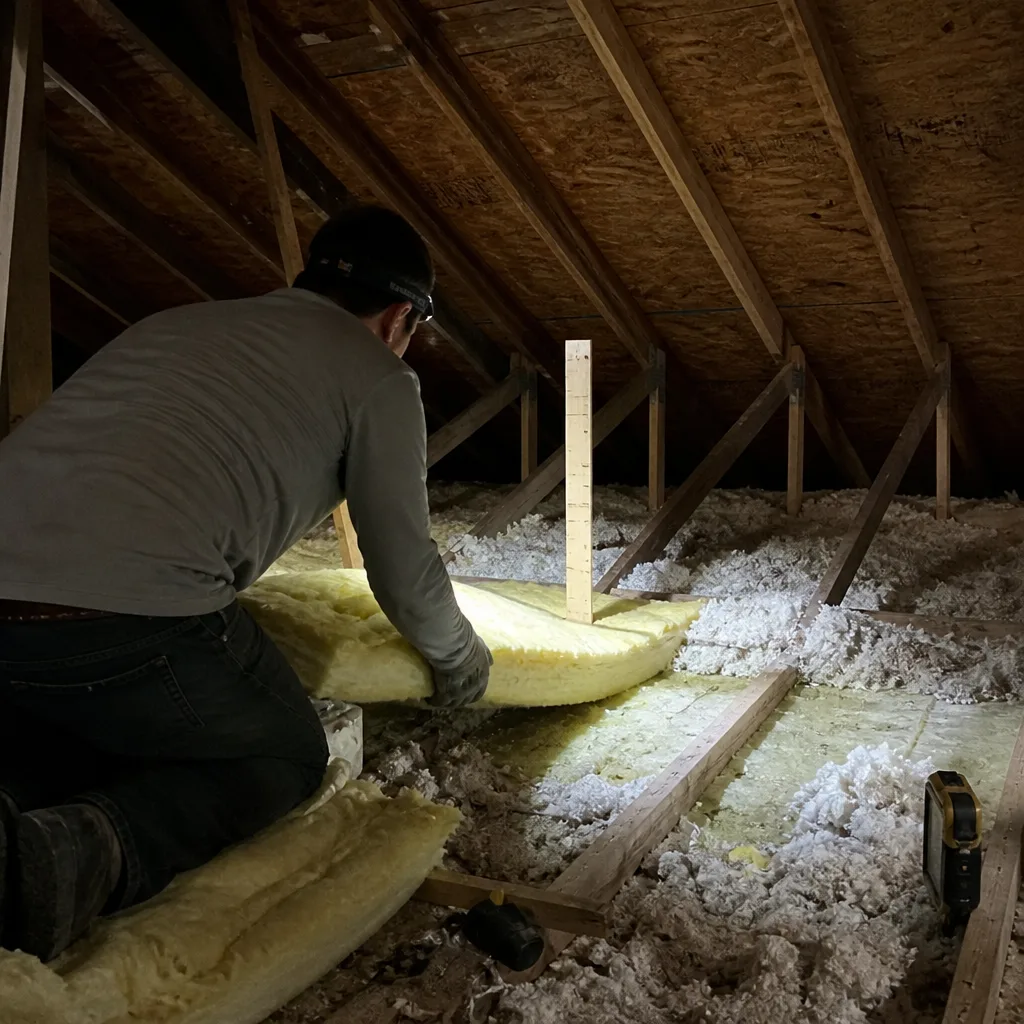
Blown-In Cellulose
GreenFiber cellulose is our most specified material for Cibolo attics. It’s treated with borate fire retardant, packs tightly into irregular joist bays, and performs well in the 150°F+ summer temperatures these attics reach. For the two-story homes dominating Steele Creek and Cibolo Valley, we typically blow cellulose to an R-49 depth, roughly 14 inches settled. The material also resists the pest pressure common in South-Central Texas. We air-seal first, per our Haven Standard, then blow. You get before-and-after blower-door readings and a photo record of every sealed penetration.
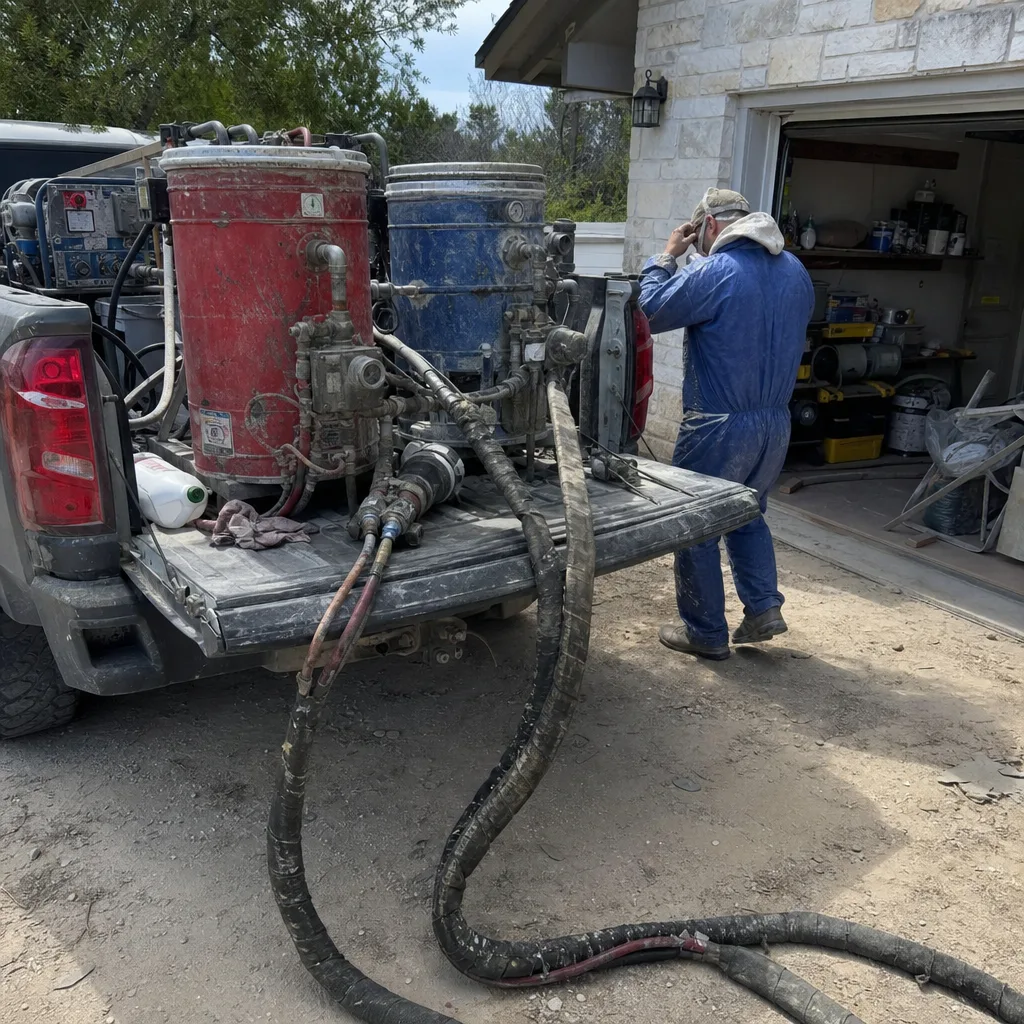
Blown-In Fiberglass
We install Owens Corning and Johns Manville loose-fill fiberglass where homeowners prefer it, often in newer builds where the existing insulation is already fiberglass and we’re doing a compatible top-up. Fiberglass doesn’t settle as aggressively as some materials, though in Cibolo’s extreme attic heat we’ve observed builder-grade blown fiberglass compress and lose loft over 8-15 years. When we add new fiberglass, we calculate depth to achieve your target R-value, not just cover the joists. Every bag count is documented in your written scope.
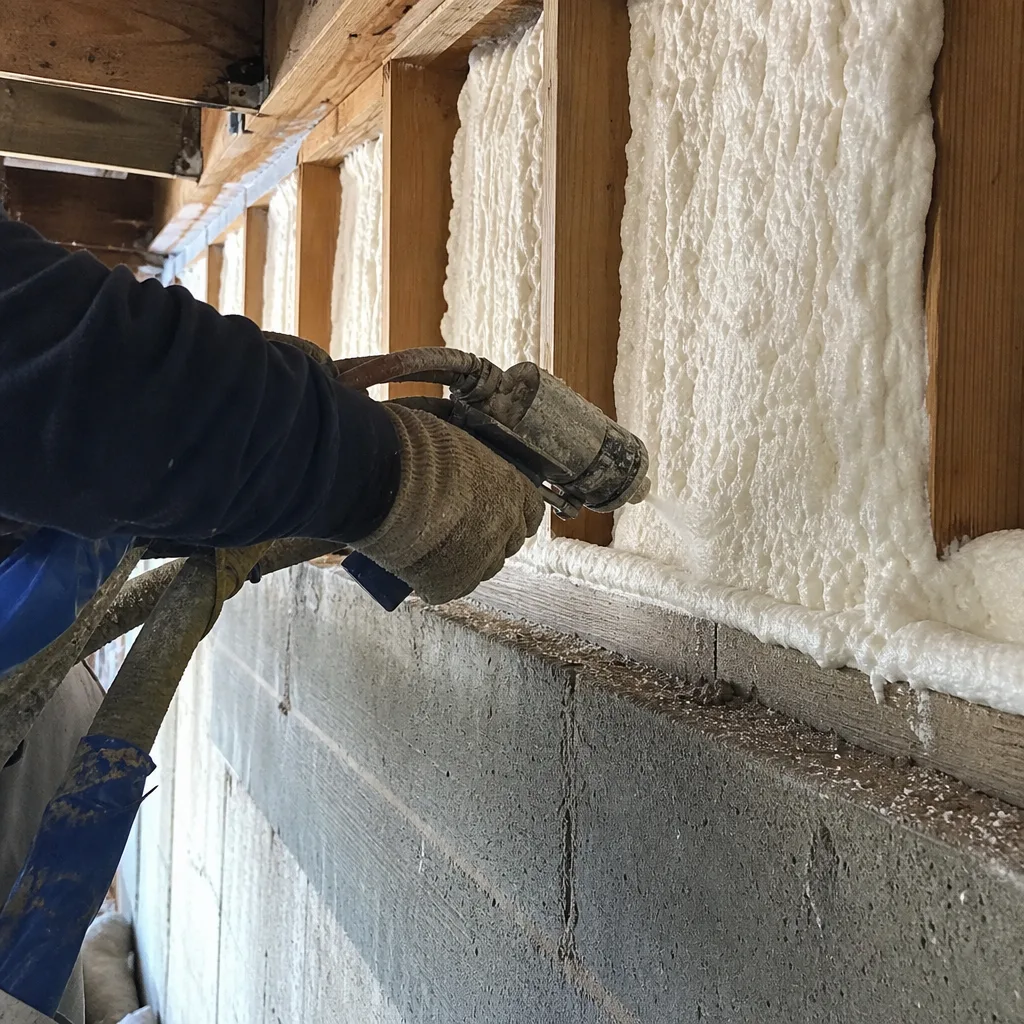
Dense-Pack Wall Insulation
Cibolo’s tract homes were built with empty stud cavities in exterior walls, insulated only where batt insulation was easily placed. Dense-pack cellulose fills those voids completely, slowing thermal bridging through the wall assembly. We access walls through interior drywall or exterior siding, depending on your finish and our assessment. This is particularly effective for south- and west-facing walls in Cibolo’s subdivisions, where afternoon solar gain bakes the upstairs bedrooms. The installation is measured by the cavity, and we note every filled wall in your documentation.
Blown-In Top-Up
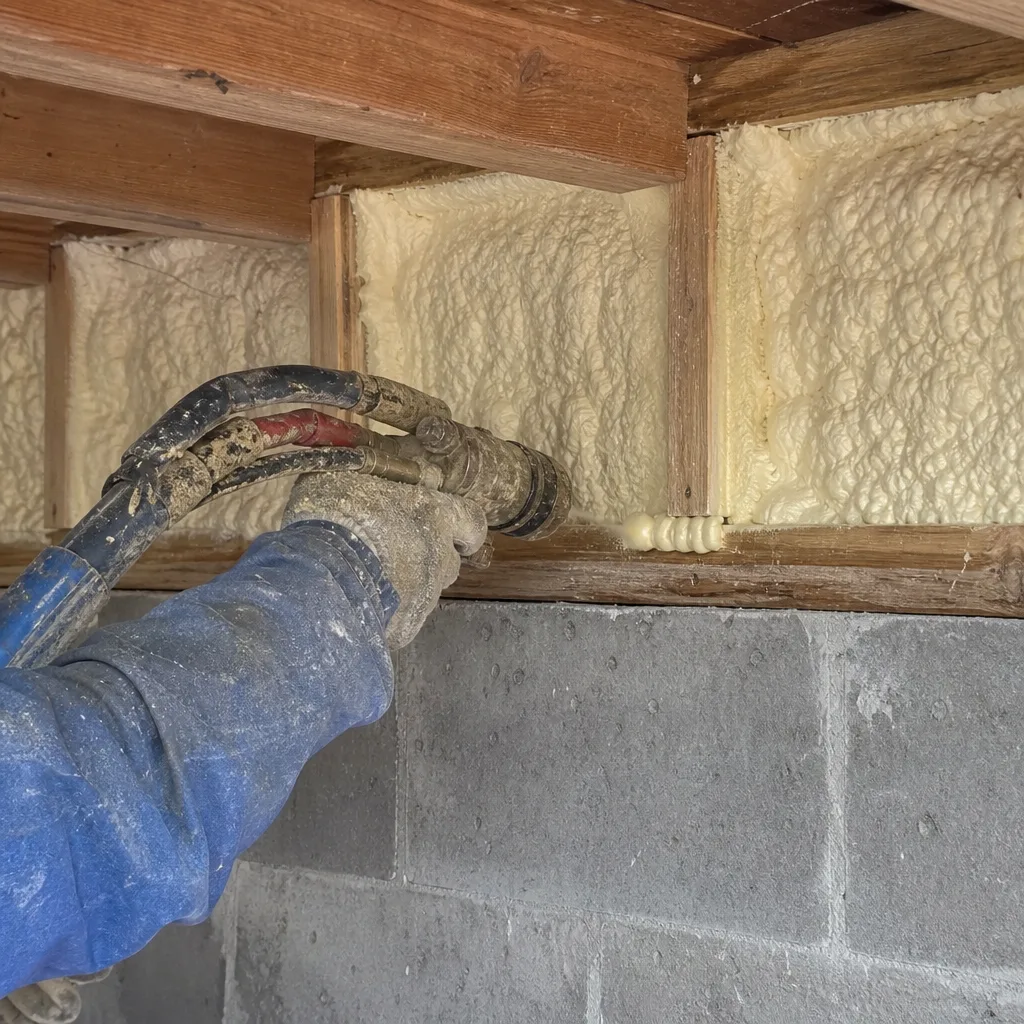
The most common call we get in Cibolo. Your builder installed insulation to 2008 or 2012 code minimums. That material has settled. Your upstairs is hot. A blown-in top-up adds R-value without removing what’s there, assuming the existing material is dry and uncontaminated. We inspect first, air-seal the attic floor, then blow to your target depth. Most Cibolo top-ups run $1,800-$2,800 and are completed in a single day. You get a written price before anyone lifts a tool, and a photo record when the crew leaves.
What happens when you call
- 1
A real person answersNo phone trees - you reach a local pro.
- 2
You get an upfront price rangeHonest numbers before anyone is dispatched.
- 3
A background-checked tech heads outLicensed & insured, dispatched right away.
- 4
You approve before work beginsNothing starts until you say go.
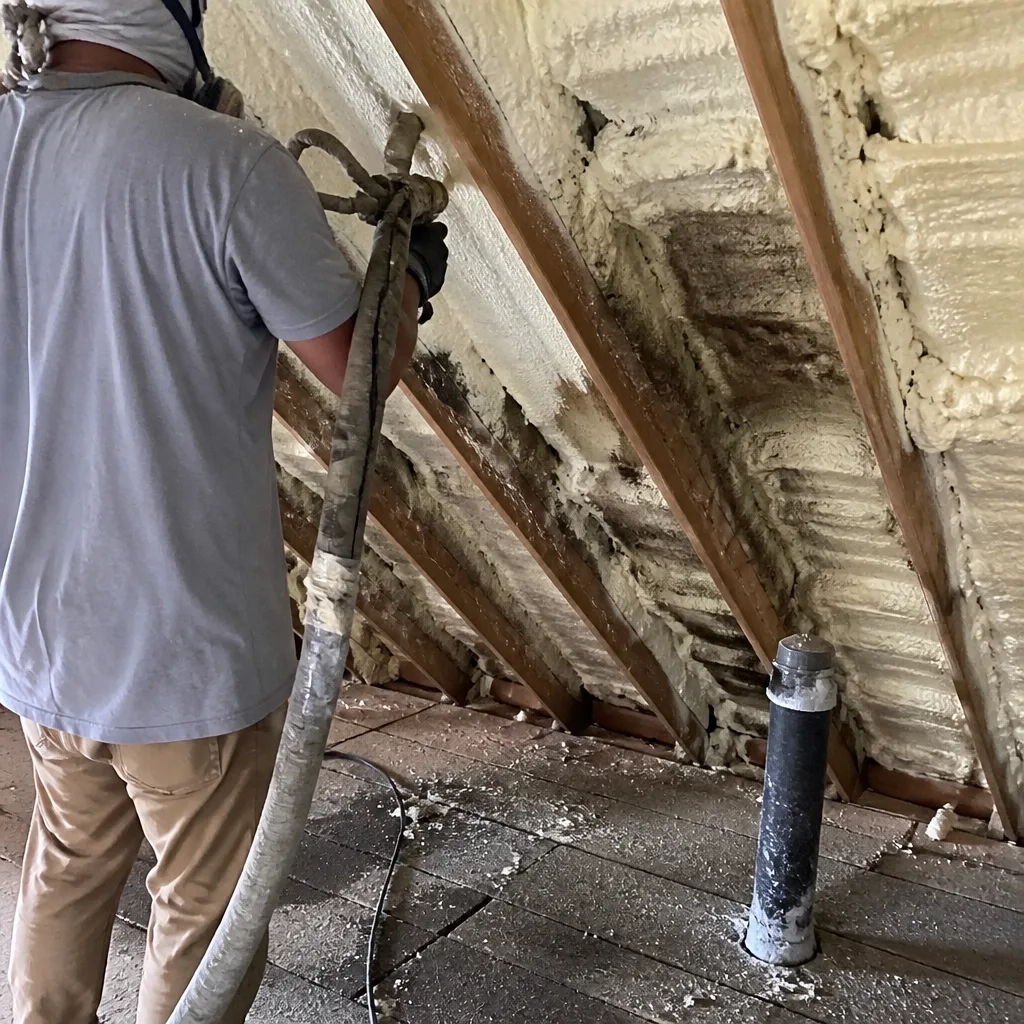 Before
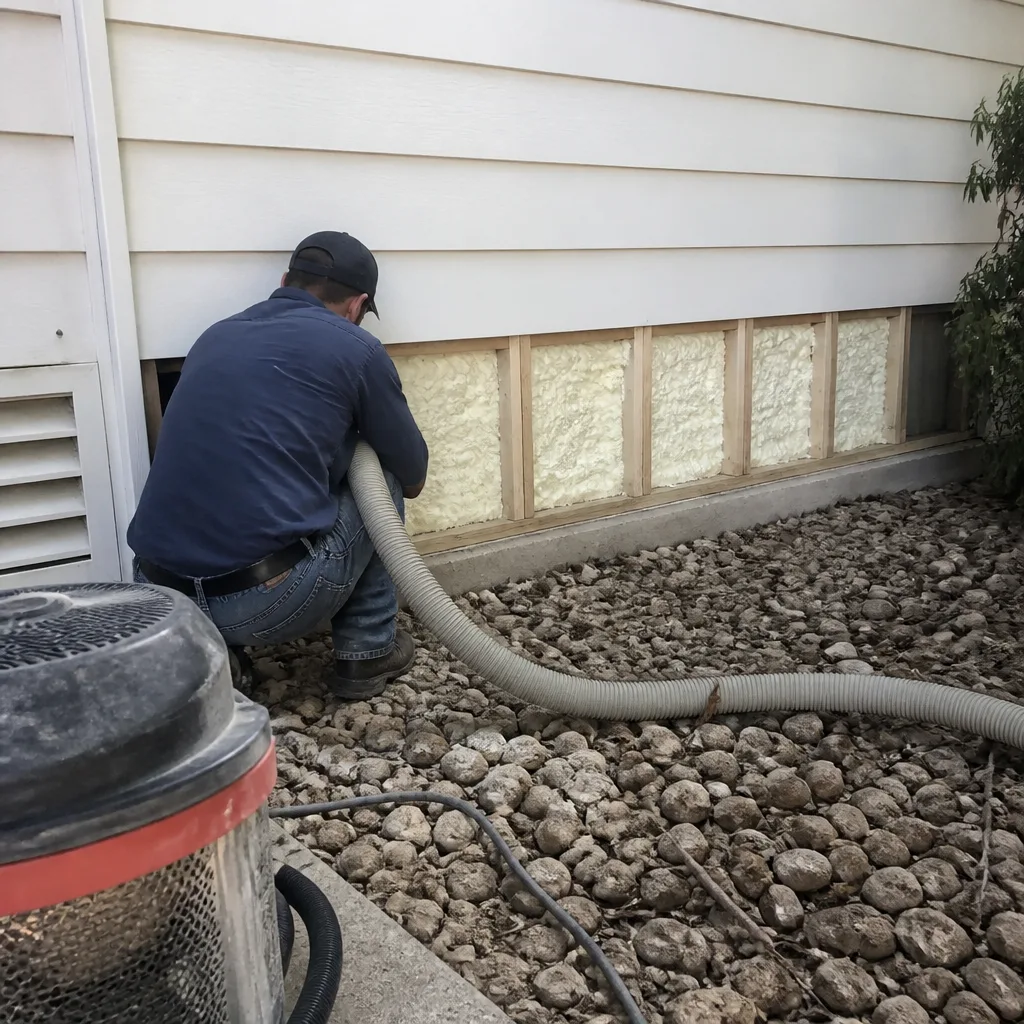 After
AfterTrusted Brands We Service in Cibolo
We source materials from Owens Corning, Johns Manville, Knauf, and GreenFiber, among others. No proprietary lock-in, no mystery bags. For Cibolo homeowners, this means we match the right material to your specific attic conditions, not to a distributor’s monthly promotion. Our trucks stock the common densities and R-values for the joist spacing found in local production builds, so we’re not waiting on a special order while your job sits. If you have a preference, we’ll note it in your written scope and source accordingly.
Common Blown-In Insulation Problems We See in Cibolo Homes
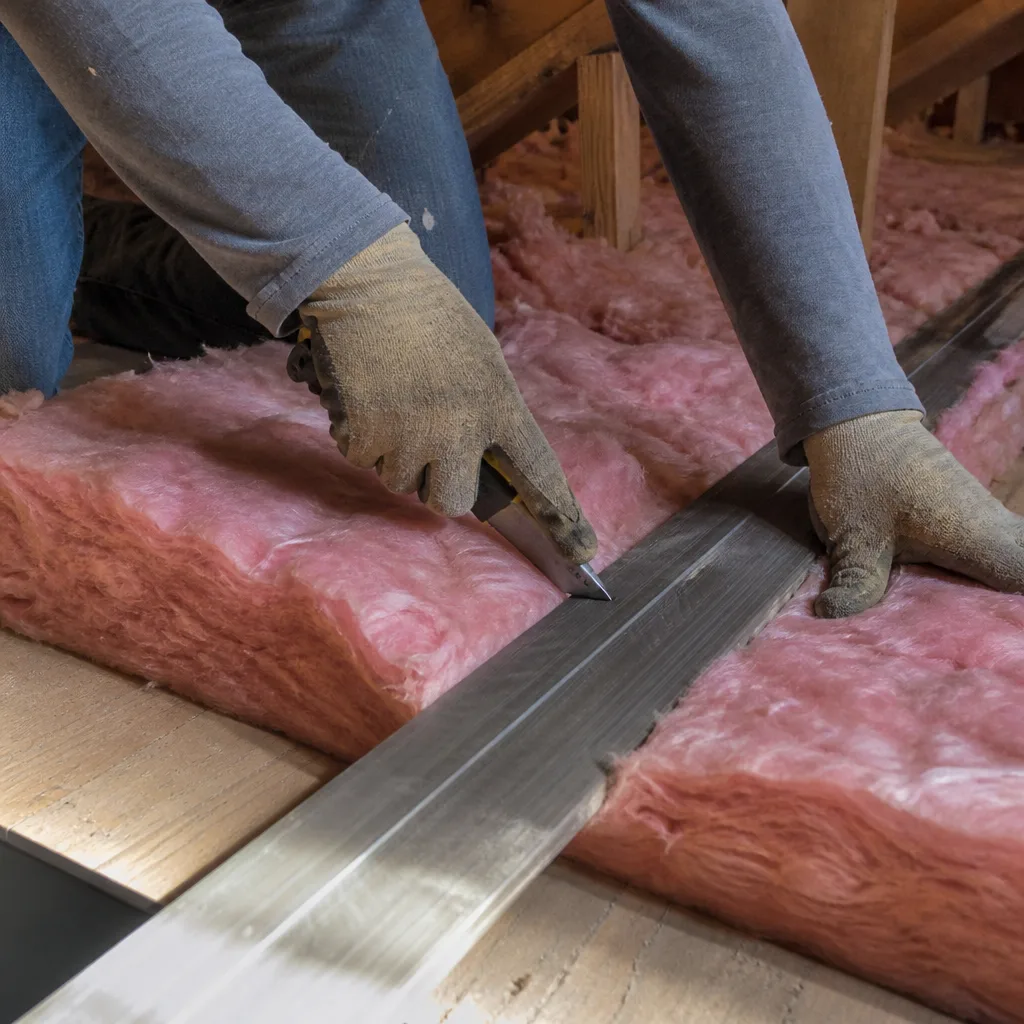
- Settled builder-grade fiberglass in 2000-2024 tract homes. Production builders in Cibolo’s master-planned subdivisions installed blown fiberglass to minimum IRC/IECC compliance, often 6-8 inches that settles to 4-5 inches within a decade. In 150°F attic heat, the material loses loft faster. The upstairs-downstairs gap is the symptom.
- Unsealed attic floors leaking conditioned air. Top plates, recessed can lights, bathroom fan housings, and plumbing stack penetrations are rarely sealed in production builds. We measure this with a blower-door test, a pressurization reading that shows, in one number, how much air your building envelope is losing. Typical Cibolo two-stories read 3,500-5,000 CFM50 before we seal.
- Insufficient insulation depth for current energy costs. CPS Energy rates have risen significantly since most Cibolo homes were built. The insulation that passed inspection in 2012 doesn’t pencil out against 2024 cooling bills. We calculate payback period in your written estimate.
- Freeze vulnerability from minimal envelope performance. February 2021’s Winter Storm Uri killed pipes and damaged HVAC equipment in Cibolo tract homes where attic temperatures crashed because the thermal envelope couldn’t retain heat. Added insulation and air sealing reduce this risk for the next hard freeze.
Pricing for Blown-In Insulation in Cibolo, TX
Most attic insulation jobs in a Cibolo two-story home run between $2,400 and $3,600, including air sealing and blown-in cellulose to R-49. A simple blown-in top-up on a smaller single-story, with minimal air sealing needed, typically falls between $1,800 and $2,800. Dense-pack wall insulation adds $1,200-$2,400 depending on accessible cavity count and finish repair.
What moves the number: attic square footage, current insulation condition, amount of air sealing required, material choice (cellulose vs. fiberglass), and whether we need to navigate finished storage floors or multiple HVAC platforms. We don’t guess. We inspect, measure, and give you a flat written price before any work starts. Haven Standard Clause 1, always.
Bring us a competing written estimate and we’ll read it with you. Our Free Second Opinion is exactly that: a second set of eyes, no obligation.
We Also Serve Cities Near Cibolo
Our crews work throughout the I-35 corridor and 1604 loop, including Cibolo and neighboring Schertz, Universal City, Converse, and New Braunfels. Dispatch and scheduling are coordinated from our San Antonio office. If you’re in one of these communities and seeing the same upstairs-downstairs temperature split, the same building science applies. Call for a written price.
Serving Cibolo, TX - Our Local Coverage Area
We’re based in the Cibolo area and know this community well. Use the map below to see our service coverage - if you’re nearby, we can almost certainly help.
FAQs - Blown-In Insulation in Cibolo
Your attic insulation is almost certainly below current code and your attic floor is leaking conditioned air into the vented space. In Cibolo’s master-planned subdivisions, production builders installed minimum blown fiberglass that settles, then skipped sealing around top plates, can lights, and penetrations. Hot attic air infiltrates the upstairs ceiling plane while your cooled air escapes. We air-seal first, then blow insulation to R-49. Most Cibolo two-stories we treat see the upstairs-downstairs gap shrink from 8-12°F to under 3°F. Call (737) 227-6219 for a written quote; estimates are free.
Yes, and it’s often the highest-ROI upgrade available. Cibolo’s post-2010 homes were insulated to the energy code of their build year, not 2024 standards, and that code minimum was designed for lower energy prices. We’ve treated 2018 builds in Steele Creek where the attic had settled to R-19 equivalent. The homeowner’s CPS Energy bill dropped measurably the month after we brought them to R-49 with air sealing. Under our 365-Day Done Right Promise, if it’s not done right, we make it right. Call for a written price before any work starts.
For most Cibolo attics that reach 150°F+, we specify GreenFiber cellulose. It maintains R-value at higher temperatures better than fiberglass, fills irregular joist bays more completely, and the borate treatment resists pests common in South-Central Texas. Fiberglass has its place, particularly for compatible top-ups or where homeowners prefer it. We stock both and specify based on your attic conditions, not our inventory. Your written scope names the material, the depth, and the target R-value before anyone starts.
Properly installed cellulose or fiberglass should perform for 20-30 years, but Cibolo’s conditions test that timeline. The 150°F+ summer attic heat accelerates settling in fiberglass, and unsealed air leaks can redistribute material or introduce moisture. That’s why we air-seal first and document with photos. We’ve reinspected Cibolo attics we treated 5-7 years ago and found depths within an inch of specification. The 365-Day Done Right Promise covers installation; the materials themselves carry manufacturer warranties we note in your documentation.
Yes, by slowing heat loss through your ceiling plane and reducing the risk of pipe and equipment freeze. February 2021’s Winter Storm Uri damaged homes across Cibolo where minimal attic insulation allowed rapid temperature crash. Added R-value, combined with proper air sealing, keeps attic temperatures closer to conditioned space longer when heating systems fail or strain. It’s not a guarantee against extreme events, but it shifts the odds. We calculate the thermal performance change in your before-and-after blower-door numbers so you can see the difference. Call (737) 227-6219 for a written estimate.
Ready to Fix the Upstairs-Downstairs Gap? Get Your Written Price Today
Your Cibolo home doesn’t have to run two different climates. Our Blown-In Insulation team air-seals first, then insulates, with before-and-after blower-door numbers that prove the result. Every job starts with a written price and ends with a documented photo record. No voicemail loops, no callback windows. A live person answers 24/7.
Call (737) 227-6219 for your free estimate. Wes Okafor and the team at Topside Attic Insulation Canyon Lake will read your current situation, measure your attic, and deliver a flat price before any work starts. Haven Standard, every time.
Written by Wes Okafor, Owner at Topside Attic Insulation Canyon Lake, serving Cibolo since 2016.
Blown-In Insulation in Nearby Areas