
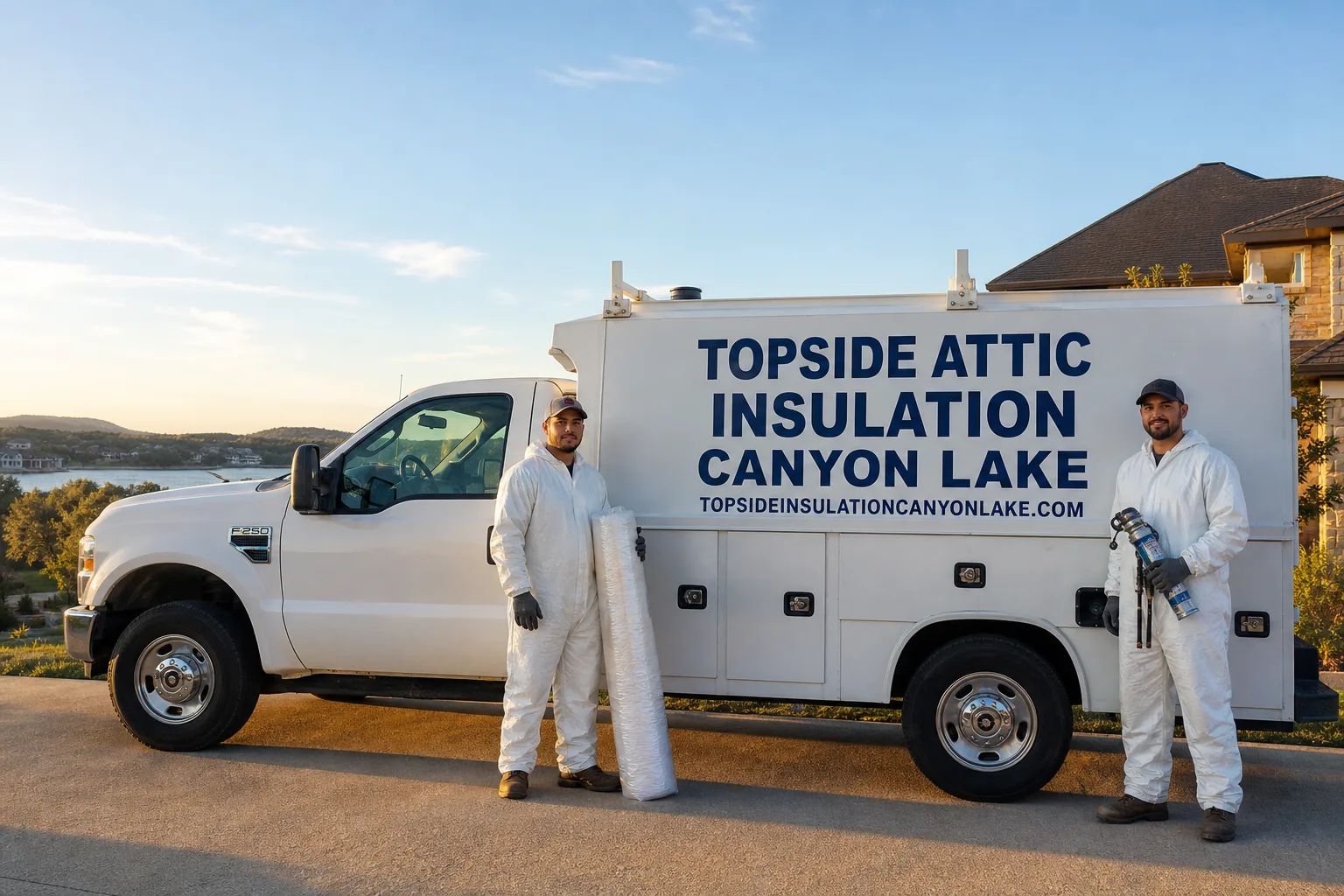
Trusted Spray Foam Insulation for Canyon Lake Homeowners
If you’re wondering how much Spray Foam Insulation costs in Canyon Lake, typical prices run $1.80-$3.50 per board foot for open-cell and $3.50-$6.50 per board foot for closed-cell, with most whole-home attic jobs running $3,200-$7,800 depending on square footage and accessibility. We’re usually on-site within 24 hours of your call, and most residential spray foam jobs in Canyon Lake are completed in a single day. Call (737) 227-6219 for a written price before any work starts.
We’ve sealed and insulated more than 9,000 homes since 2016, and we’ve learned that spray foam performs best when the building envelope is sealed first. In Canyon Lake, that matters more than most places. The Hill Country’s temperature swings, summer humidity, and occasional hard freezes put real stress on homes that leak conditioned air. We’ve measured blower-door readings in Startzville homes that lost 40% more air than they should have, simply because spray foam was applied over unsealed top plates and can-light penetrations. That’s why we follow The Haven Standard on every job: air sealing completed first, blower-door numbers documented before and after, and a written price in your hand before anyone lifts a tool.
What Our Spray Foam Insulation Service Includes
Open-Cell Spray Foam
Open-cell spray foam is a half-pound density foam that expands to fill cavities and remains soft after curing, making it ideal for interior applications like attic floors and wall cavities where you need both insulation and some sound dampening. In Canyon Lake, we typically recommend open-cell for attic applications in homes built between 1980 and 2010, where the framing is standard dimensional lumber and the goal is slowing heat transfer without adding structural rigidity. We apply open-cell only after sealing top plates, electrical penetrations, and can-light housings with targeted air-sealing products from Owens Corning, then publish the before-and-after blower-door numbers so you can verify the envelope improvement.
Closed-Cell Spray Foam
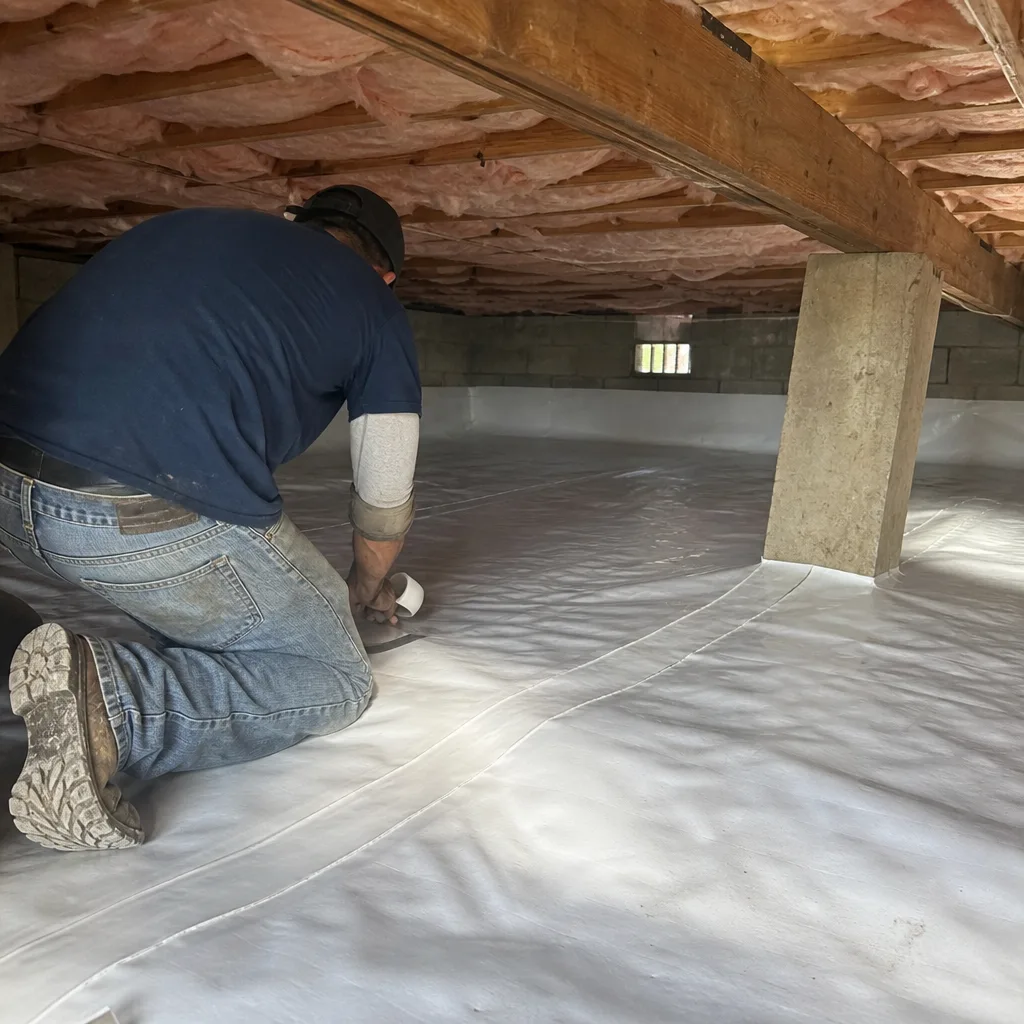
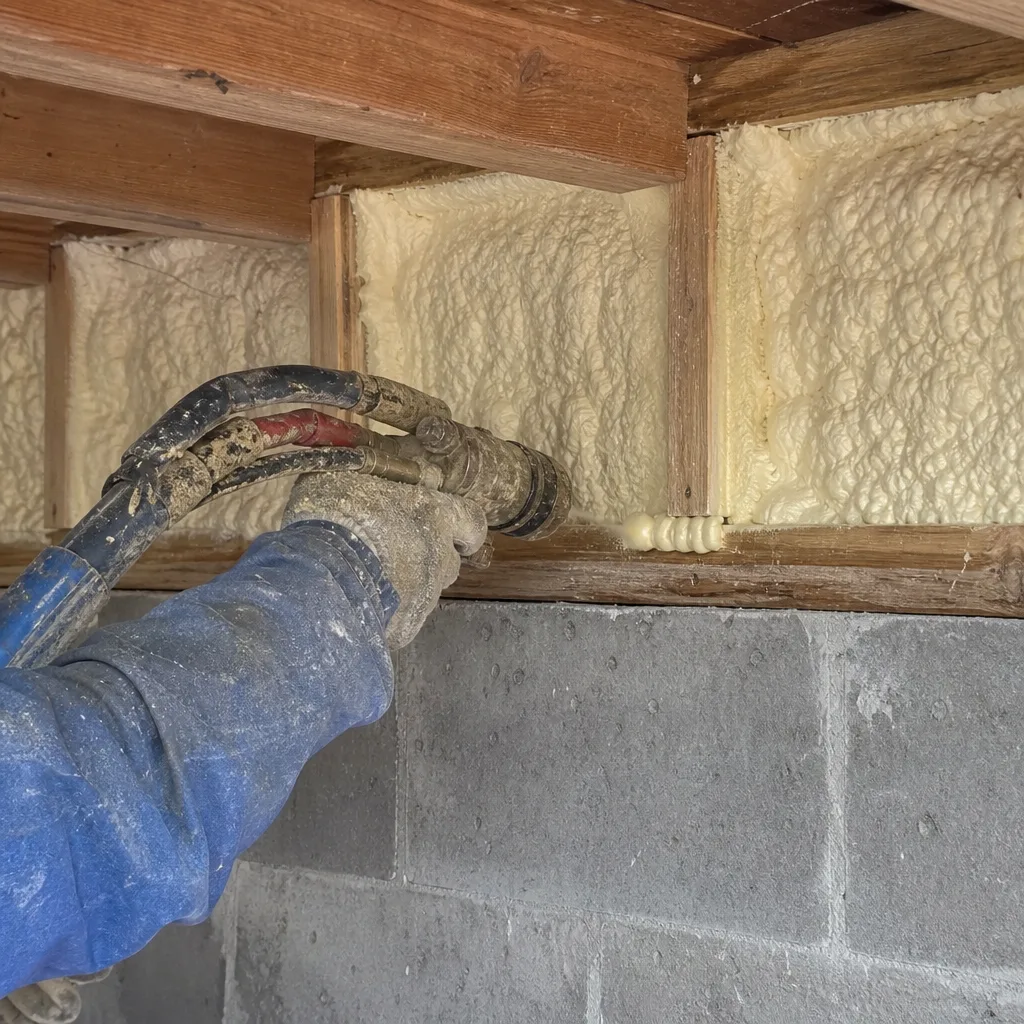
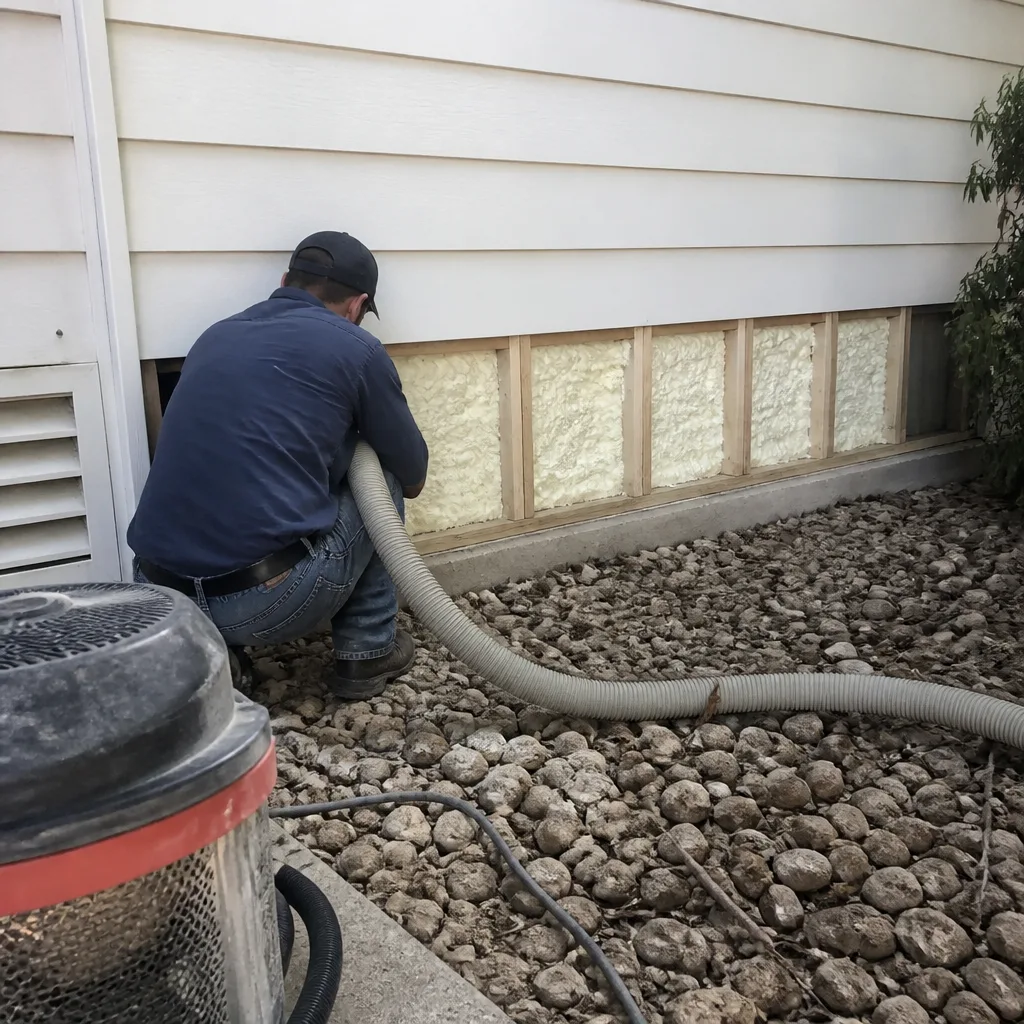
Closed-cell spray foam is a two-pound density foam that cures rigid, providing both insulation and structural reinforcement at R-6 to R-7 per inch, roughly double the thermal resistance of open-cell. We specify closed-cell for Canyon Lake applications where space is limited and maximum R-value matters: rim joists in pier-and-beam homes, metal building interiors, and any envelope area exposed to potential moisture intrusion. The rigid structure of closed-cell also adds shear strength to wall assemblies, which we’ve found valuable in older Canyon Lake homes near the lakefront where wind exposure is higher. Every closed-cell job gets the same pre-installation air sealing and post-installation blower-door documentation.
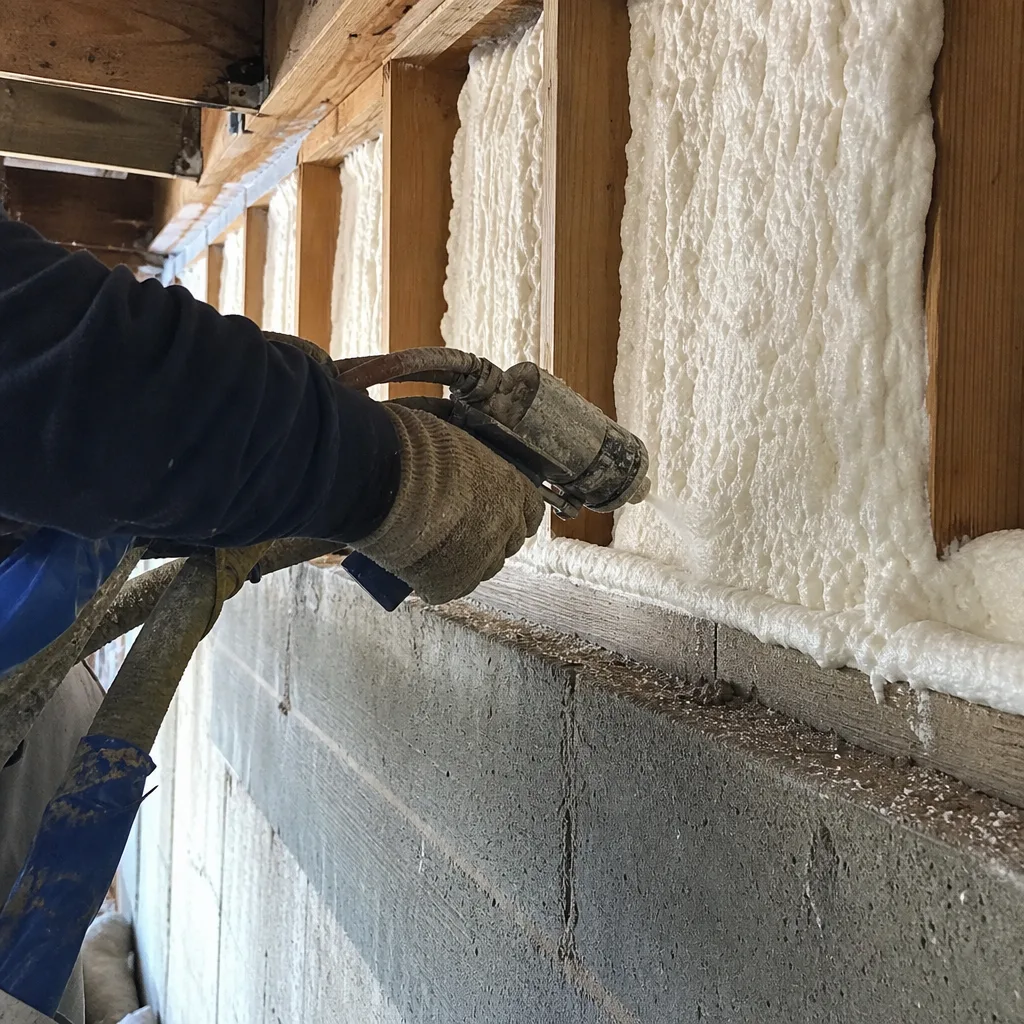
Rim Joist Spray Foam
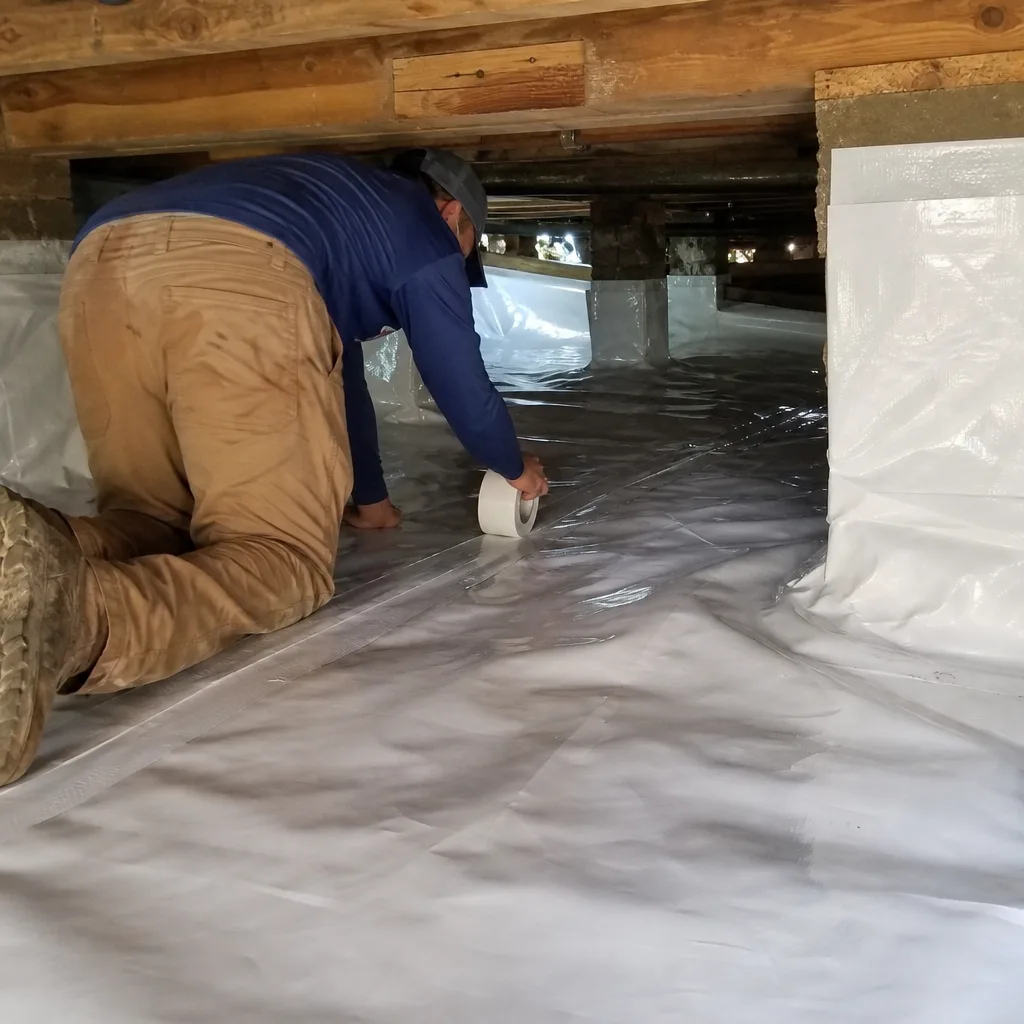
The rim joist is the perimeter band where your floor framing meets the foundation, and it’s often the leakiest part of a home’s thermal envelope because it’s rarely sealed properly during original construction. In Canyon Lake’s older lake-area homes, we’ve found rim joist gaps that accounted for 15-20% of total envelope leakage, pumping conditioned air directly into crawl spaces or exterior wall cavities. We seal rim joists with closed-cell spray foam after manual sealing of any visible gaps with acoustic sealant, then verify the improvement with targeted smoke-pencil testing and the whole-house blower-door test. This is one of the highest-ROI spray foam applications we offer, particularly for homes with elevated foundations common in the Canyon Lake Hills and Lakeside areas.
Garage Ceiling Spray Foam
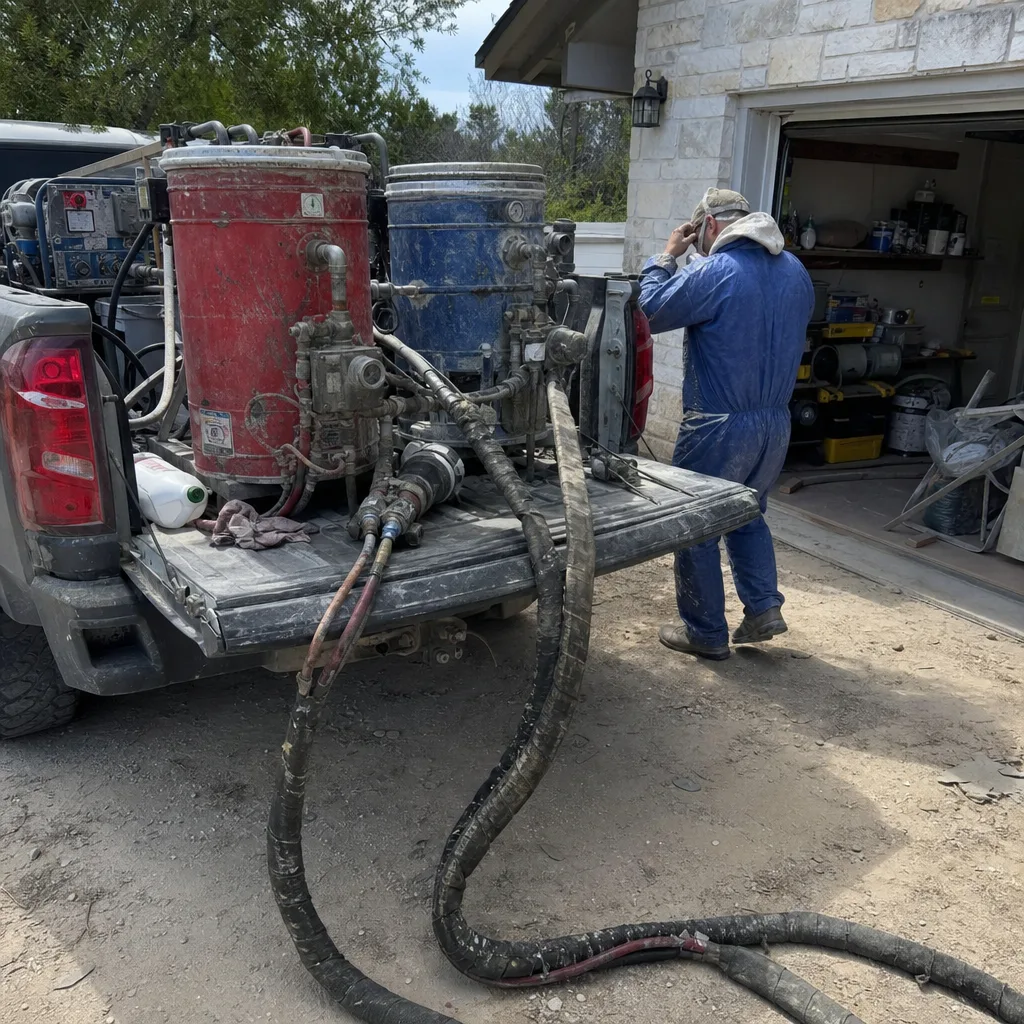
Garage ceiling spray foam addresses the thermal bridge created when a conditioned room sits above an unconditioned garage, a common layout in Canyon Lake’s 1990s and 2000s subdivisions. Without proper insulation, garage ceiling temperatures in July can exceed 120°F, forcing your HVAC system to work against that heat load for the room above. We treat garage ceilings with open-cell spray foam applied to the underside of the subfloor after sealing all duct penetrations and electrical runs, then document the assembly with photos showing sealed penetrations and full foam coverage. In Timberwood Park and Canyon Lake Spray Foam Insulation homes with bonus rooms over garages, this application alone has reduced cooling loads by measurable percentages we verify with blower-door and infrared documentation.
Spray Foam Roof Deck
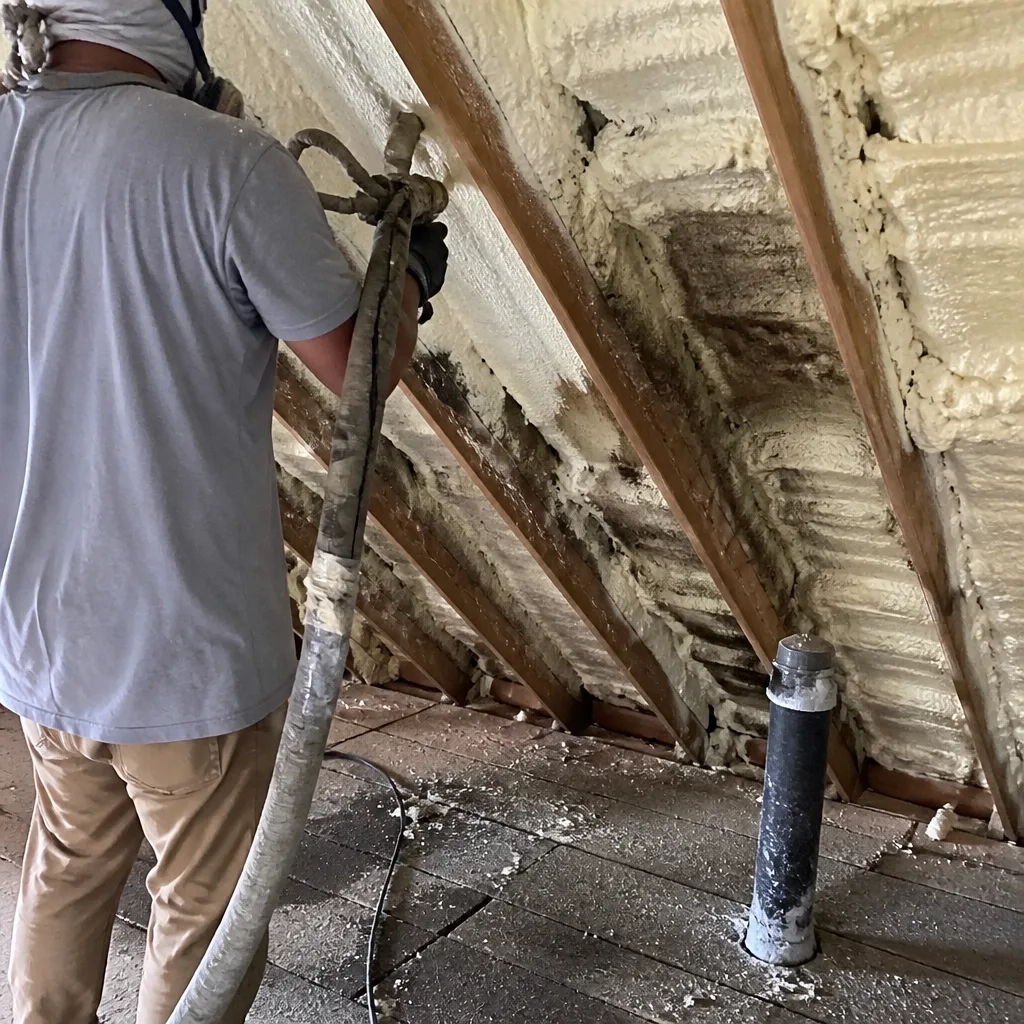
Spray foam applied directly to the roof deck transforms your attic from a ventilated, unconditioned space into a sealed, conditioned envelope component, eliminating the temperature differential that drives moisture problems and thermal loss. In Canyon Lake, where summer attic temperatures regularly exceed 140°F in vented assemblies, roof deck foam brings attic temperatures within 10-15°F of living space conditions and moves your HVAC ductwork inside the thermal envelope. We specify open-cell for most roof deck applications, applied to the full deck surface after sealing all plate lines, vent baffles, and chimney penetrations. This is a significant investment, but for homeowners planning to finish attic space or whose ductwork runs through the attic, the performance improvement is substantial and measurable.
What happens when you call
- 1
A real person answersNo phone trees - you reach a local pro.
- 2
You get an upfront price rangeHonest numbers before anyone is dispatched.
- 3
A background-checked tech heads outLicensed & insured, dispatched right away.
- 4
You approve before work beginsNothing starts until you say go.
Brands We Service for Spray Foam Insulation
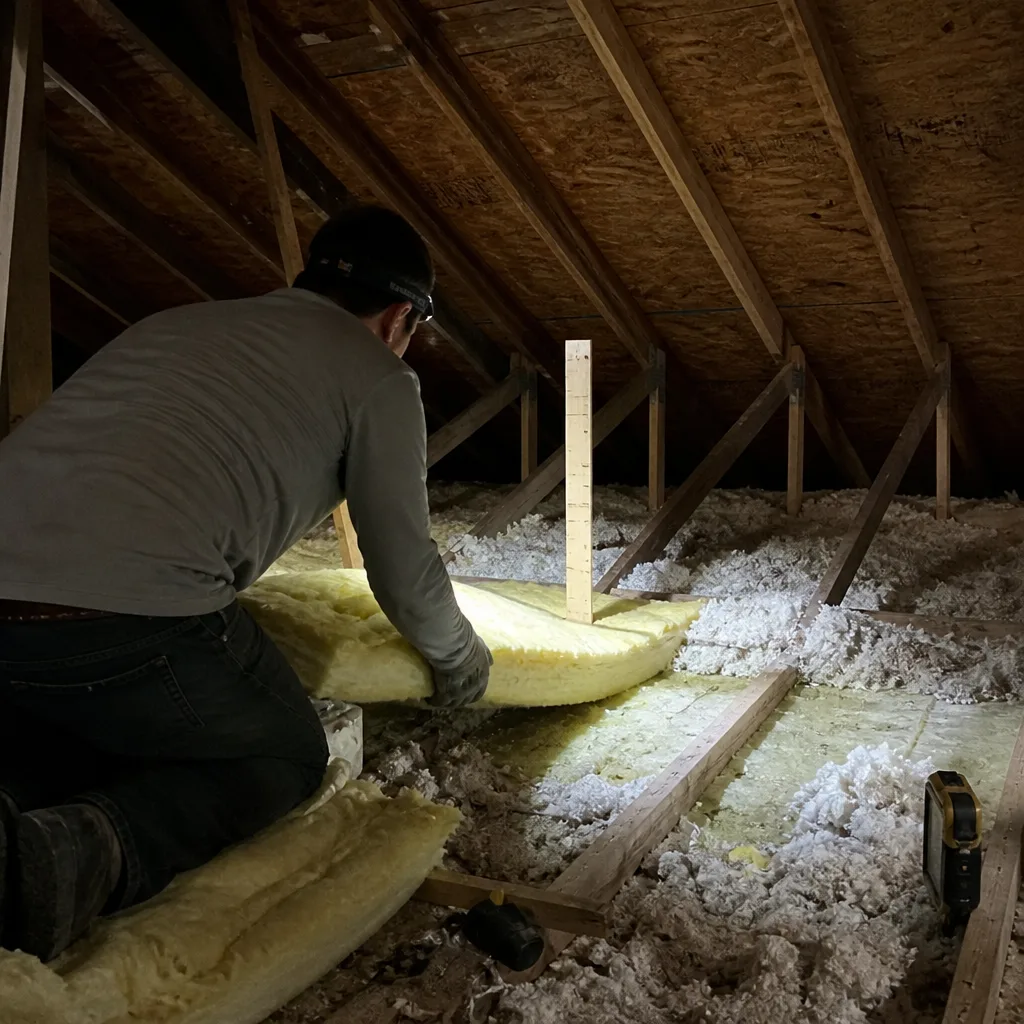
We source spray foam materials from established manufacturers including Owens Corning, Johns Manville, Knauf, and GreenFiber, selecting products based on the specific application rather than pushing a single proprietary system. Our crews are trained in the application characteristics of multiple foam chemistries, so we can match the material to your home’s construction type and your performance goals. We’ve found that Owens Corning’s foam systems perform consistently well in Canyon Lake’s humidity profile, and we stock Johns Manville products for jobs where specific fire-rated assemblies are required by local amendment.
Whether your home currently has spray foam from one of these manufacturers, from Icynene or Demilec, or you’re starting fresh with no existing insulation, we can assess the assembly and specify appropriate materials. We do not claim exclusive or preferred status with any brand, and we do not lock customers into proprietary products. Our specification is driven by what the building envelope needs, documented in the written scope you receive before work begins.
 Before
 After
AfterSigns You Need Spray Foam Insulation Right Now
- Rooms that won’t hold temperature despite running HVAC constantly. If your west-facing bedroom in Canyon Lake stays 8-10°F warmer than the thermostat setting in August, the thermal envelope is likely compromised. We’ve traced this symptom to unsealed attic floor penetrations in dozens of local homes, where conditioned air escapes faster than the HVAC can replace it.
- Dust that returns within days of cleaning, especially near ceiling fixtures. Fine dust in can-light housings and around ceiling registers indicates attic air is being pulled into living space through leakage paths. In Canyon Lake’s windy Hill Country environment, this pulls fiberglass particles, pollen, and attic debris with it.
- Energy bills that spike 30% or more in summer versus spring. A properly sealed and insulated home sees predictable seasonal variation. If your July bill jumps disproportionately, the cooling load is likely driven by attic heat gain and air leakage rather than outdoor temperature alone.
- Ice dams or frost accumulation on roof sheathing in winter. Even in Canyon Lake’s mild winters, occasional hard freezes reveal insulation gaps through localized melting patterns or attic frost. Warm air leaking into the attic melts snow unevenly, and the resulting ice can damage shingles and gutters.
- Musty odors from attic access or wall cavities after rain. Moisture-laden outside air entering through envelope leaks condenses on cool surfaces, creating conditions for mold growth. We’ve found this in Canyon Lake homes where bathroom vents terminate in attics and the surrounding assembly was never properly sealed.
Our Spray Foam Insulation Process - Step by Step
- 1
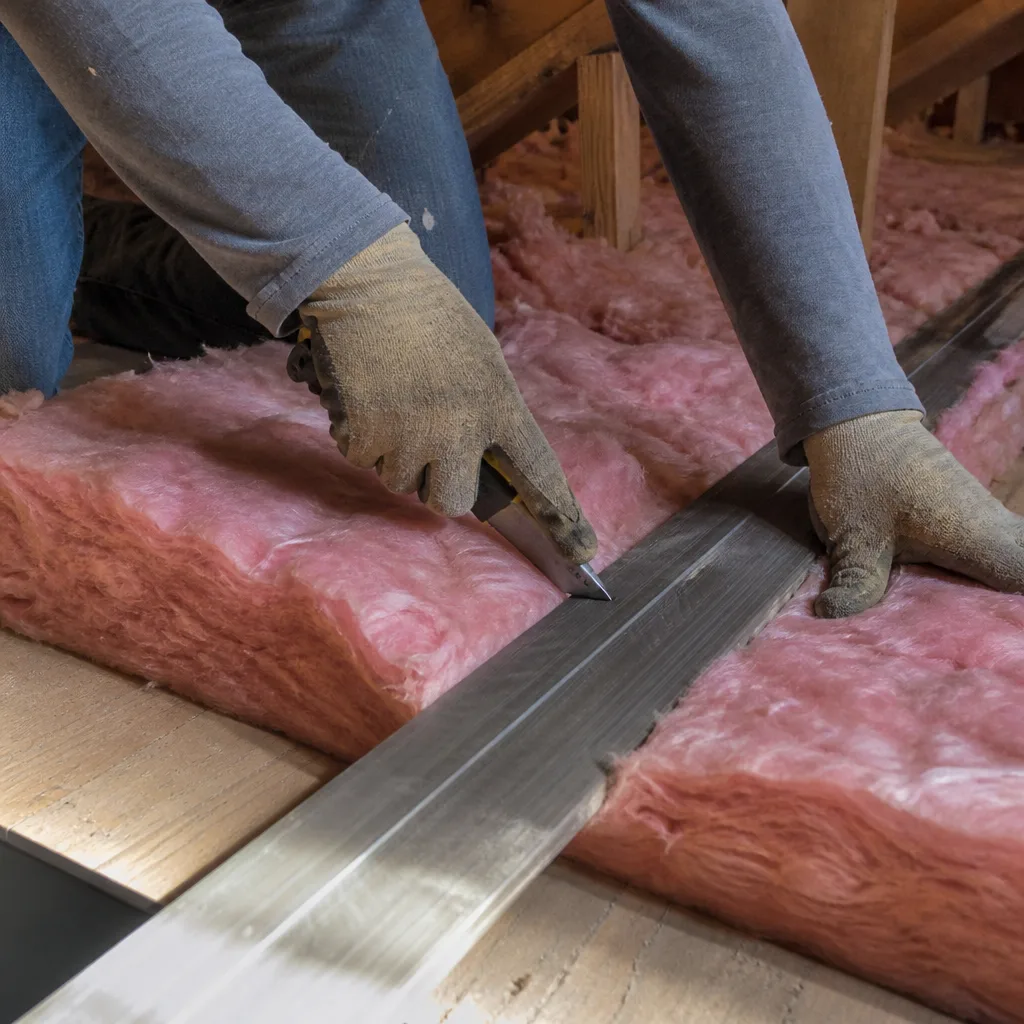
On-site assessment and blower-door baseline. We arrive at your Canyon Lake home with a written appointment time and a text when the technician is en route. The first step is a blower-door test, a pressurization reading that shows, in one number, how much air your building envelope is losing. We record CFM50 baseline, photograph existing conditions, and identify all air leakage paths before any material is specified.
- 2
Written price and scope delivered before work starts. Under Haven Standard Clause 1, you receive a flat price, written scope of work, and written warranty before anyone lifts a tool. No verbal estimates, no “we’ll see how it goes” pricing. The scope specifies foam type, application thickness, areas to be treated, and the target blower-door reduction.
- 3
Air sealing completed before foam application. We seal top plates, electrical penetrations, can-light housings, duct boots, and all other envelope leaks with appropriate materials. This is not an upsell; it is a prerequisite. We’ve documented cases in Canyon Lake where air sealing alone reduced blower-door readings 25% before any insulation was added.
- 4
Spray foam installation with real-time quality checks. Our technicians apply foam to specified thickness, monitoring substrate temperature and ambient conditions that affect adhesion and expansion. We photograph full coverage areas and any obstructions that required custom detailing. Application is verified with thickness probes and visual inspection for voids.
- 5
Post-installation blower-door test and documentation package. After cure time, we run a second blower-door test and deliver your Documented Photo Record showing before conditions, air sealing details, foam coverage, and after conditions. On applicable jobs, the before-and-after blower-door numbers are published so you can verify the performance change you paid for.
How Much Does Spray Foam Insulation Cost in Canyon Lake?
A typical open-cell attic floor application in a 2,000-square-foot Canyon Lake home runs $3,200-$5,400 depending on accessibility, existing insulation removal needs, and the extent of air sealing required. Closed-cell rim joist treatment for a pier-and-beam foundation typically ranges $1,800-$3,200. Full roof deck spray foam in the same size home generally falls between $5,800-$7,800. Garage ceiling applications start around $1,400 for a standard two-car footprint and scale with complexity.
Several factors move these numbers. Existing insulation removal adds $0.75-$1.50 per square foot depending on material type and contamination. Homes with active rodent issues in the attic require cleaning and sanitization before foam application. Limited access, steep roof pitches, or working around stored belongings all extend labor hours. The most significant variable is air sealing scope; homes with extensive can-light penetrations, complex framing, or prior DIY work that needs correction require more preparation time.
To avoid overpaying, get any competing quote in writing and bring it to us for a Free Second Opinion. We’ll read it with you line by line and identify what’s actually included versus what’s assumed. Our written price covers all labor, materials, air sealing, the blower-door testing, and your Documented Photo Record. No line-item surprises after work begins. Call (737) 227-6219 for an exact quote on your specific home - estimates are free, and the price we write is the price you pay.
Spray Foam Insulation Near Canyon Lake - Our Service Area
We work throughout the Canyon Lake area including Startzville, Canyon City, and the lakeshore communities, with typical response times of same-day to 24 hours. Our service radius extends to Spray Foam Insulation in Bulverde, Spray Foam Insulation in New Braunfels, Timberwood Park, Selma, Cibolo, Schertz, Universal City, Live Oak, Fair Oaks Ranch, Converse, and Windcrest. Crews are dispatched from our central location, and we schedule Canyon Lake appointments with specific arrival windows, not all-day waits. Whether you’re in a 1970s lake cabin needing rim joist sealing or a new build in Timberwood Park requiring full roof deck foam, we travel with the equipment and materials to complete most jobs in a single visit.
Serving Canyon Lake, TX - Our Local Coverage Area
We’re based in the Canyon Lake area and know this community well. Use the map below to see our service coverage - if you’re nearby, we can almost certainly help.
Frequently Asked Questions - Spray Foam Insulation in Canyon Lake
Spray foam insulation is a two-component chemical mixture that expands on application to fill cavities and harden into a continuous insulation layer, unlike blown-in cellulose or fiberglass batts that leave gaps and rely on friction fit. The expansion characteristic allows spray foam to seal air leaks simultaneously with insulating, which batt and loose-fill products cannot do without separate air-sealing work. In Canyon Lake’s climate, this air-sealing integration typically delivers 15-30% better thermal performance than R-value alone would predict.
Most residential spray foam jobs in Canyon Lake are completed in one day, with larger whole-home applications occasionally extending to a second day for cure time and final inspection. A standard attic floor application in a 2,000-square-foot home takes 4-6 hours of active work after air sealing is complete. You’ll receive a specific time estimate in your written scope before work begins.
Open-cell spray foam runs $1.80-$3.50 per board foot and closed-cell runs $3.50-$6.50 per board foot in the Canyon Lake market, with most residential projects totaling $3,200-$7,800 depending on area treated and foam type. Rim joist and garage ceiling applications are typically at the lower end of this range; full roof deck treatments at the higher end. Call (737) 227-6219 for an exact quote on your specific home - estimates are free.
Yes, we regularly source and apply Owens Corning spray foam products, and our crews are trained in their specific application parameters including substrate preparation, temperature requirements, and cure characteristics. We also work with Johns Manville, Knauf, and GreenFiber products depending on the job requirements. We do not claim exclusive status with any manufacturer.
We answer calls 24/7 through a live person, not voicemail, and we can typically dispatch to Canyon Lake within 24 hours for urgent situations like post-storm envelope damage or failed insulation creating immediate comfort or moisture issues. True emergencies involving spray foam are rare; most situations are scheduled within 1-2 business days. Call (737) 227-6219 and we’ll assess urgency honestly.
All completed spray foam work is backed by our 365-Day Done Right Promise - if it’s not done right, we make it right. You also receive a written warranty specific to the materials and application before work begins, documented in your scope package. This is Haven Standard practice: promises in writing, not in conversation.
Clear attic access paths and remove stored items from areas to be treated; our crew needs safe walkway and work space. We cover floors and furnishings in work zones with protective sheeting as part of standard preparation. You’ll receive a specific preparation checklist with your written scope after assessment. Pets should be relocated during application and cure time due to off-gassing; we specify re-entry timing based on product used and ventilation achieved.
Schedule Your Spray Foam Insulation Service in Canyon Lake Today
Call (737) 227-6219 to speak with a live person and schedule your free assessment. We’ll run a blower-door test, photograph existing conditions, and deliver a written price before any work starts. Every job gets air sealing first, spray foam second, and documented proof of performance when we’re done. That’s The Haven Standard, and it’s how we’ve operated since 2016.
Written by Wes Okafor, Owner at Topside Attic Insulation Canyon Lake, serving Canyon Lake, Bulverde, New Braunfels, and surrounding Hill Country communities since 2016.