
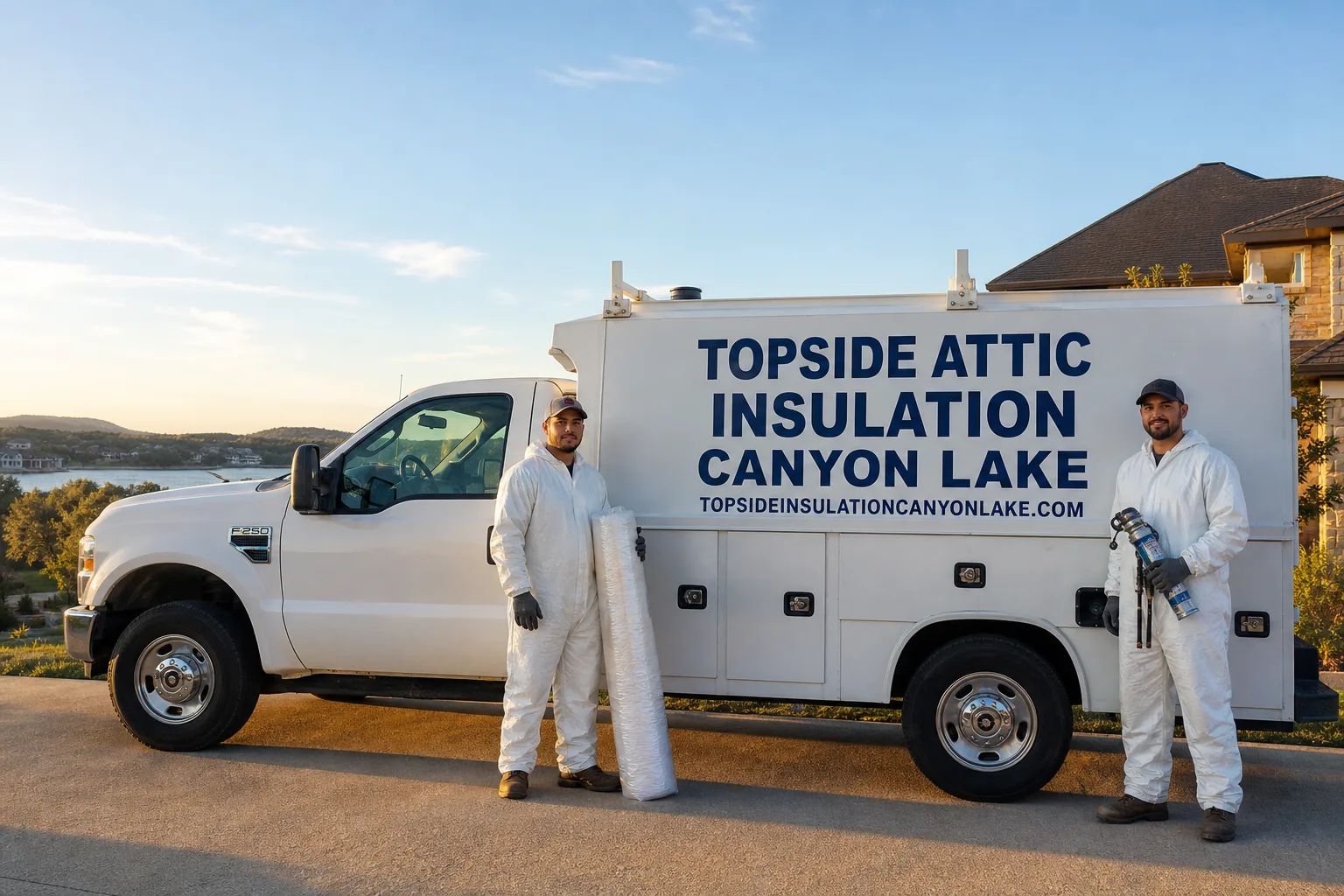
Fast, Reliable Blown-In Insulation Across Converse
Most blown-in insulation jobs in Converse run $1,200-$3,800 for attic top-ups and $2,800-$5,500 for full attic re-blows with air sealing, with same-week scheduling available. We’re familiar with the specific construction pattern here: the 1978-2000 slab-on-grade tract homes off FM 78, the military-family rentals near Crestway, the hip-roof attics that bake past 150°F in July. Our crews dispatch from the San Antonio office and typically reach Converse properties within 45 minutes. Call (737) 227-6219 for a written price before any work starts.
Why Topside Attic Insulation Canyon Lake Is Converse’s Preferred Blown-In Insulation Company
We’ve worked in enough Converse attics to recognize the construction era before we pull the ladder down. The vented hip roofs, the 2×4 exterior walls, the original blown-in fiberglass flattened to R-11 or R-15 - these aren’t surprises to us, they’re the standard condition we plan for.
Our reviews from Converse customers consistently note the same thing: we show the photo documentation, we name the price in writing before the truck is unloaded, and we don’t push full removal when a top-up with air sealing is the honest fix. The 365-Day Done Right Promise applies here exactly as it does everywhere we work - backed by a written scope and warranty delivered before anyone starts.
Response time to Converse averages same-day or next-day for standard appointments, with live-answered scheduling 24/7. No voicemail loops, no callback windows measured in business days.
Our Blown-In Insulation Services in Converse
Blown-In Top-Up
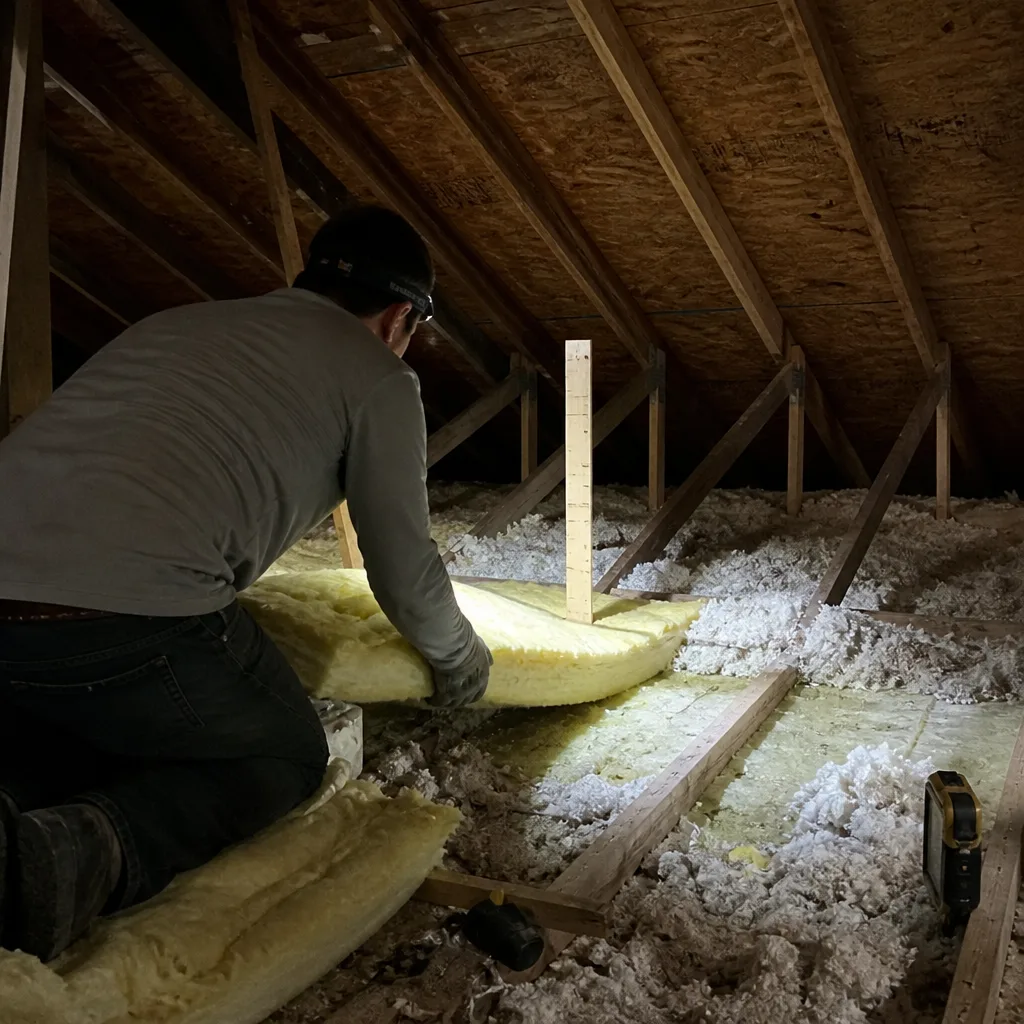
This is the signature job in Converse, and there’s a specific reason why. The 1980s and 1990s blown-in fiberglass in these tract homes has settled over 30-40 years into a thin, uneven blanket that no longer covers the top plates where the 2×4 walls meet the ceiling plane. A top-up - blowing new material over the settled layer after air sealing - restores full coverage without the cost of complete removal. On a 1986 single-story at the end of a cul-de-sac near FM 78 and Crestway, our tech found the original blown-in fiberglass settled flat to about R-11 with a visible thermal shadow across the ceiling joists, and the new owners were stunned - they’d bought after a once-over pre-sale inspection. We air-sealed the top plates, blew GreenFiber cellulose over the settled fiberglass to bring the attic to a uniform modern R-level, and the room over the garage stopped cooking by mid-afternoon. Most Converse top-ups run $1,200-$2,800.
Blown-In Cellulose
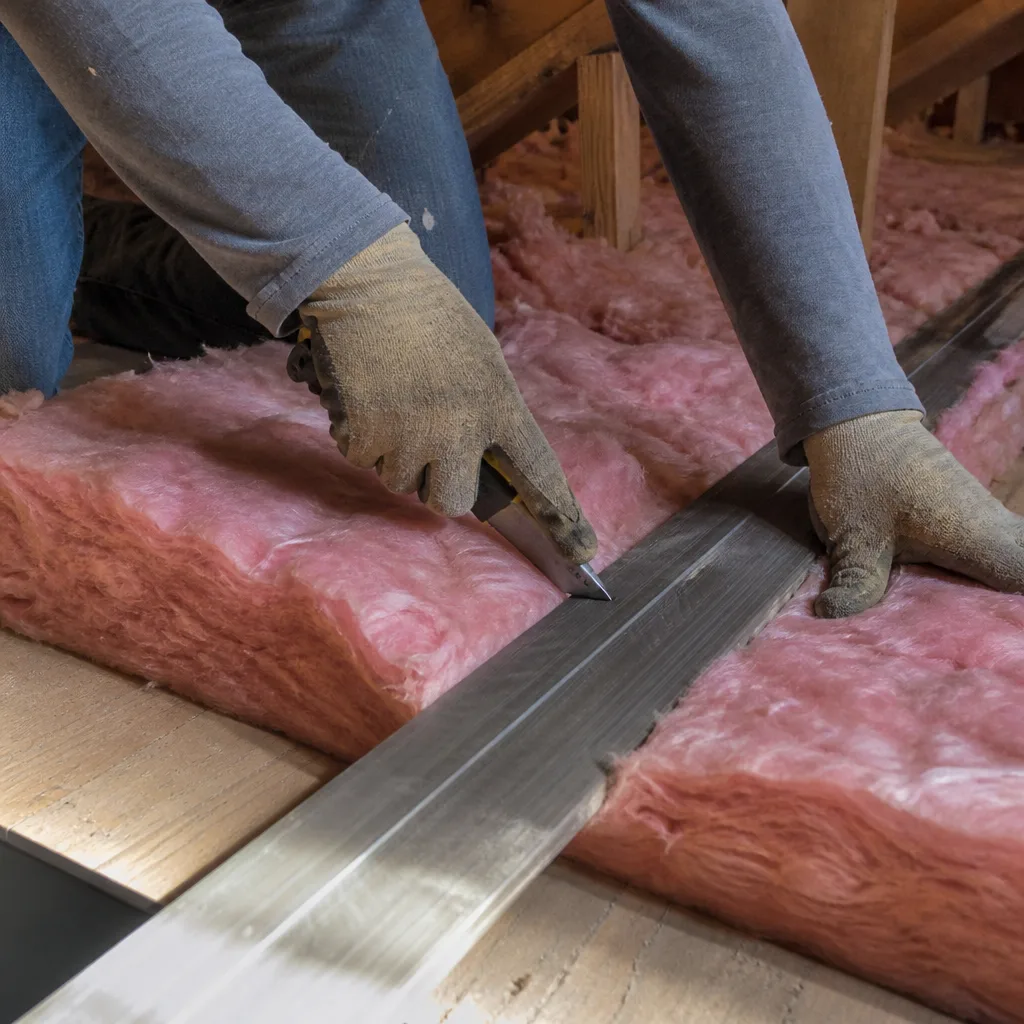
We use GreenFiber cellulose for most Converse attic work because it fills irregular hip-roof geometries better than fiberglass batts and settles less over time. Cellulose also performs better during the hard freezes that occasionally push through the San Antonio basin - a lesson many Converse homeowners absorbed after February 2021, when Uri exposed how poorly thin-wall, under-insulated construction handles extended cold. For attics that need to go from R-15 to R-38 or R-49, cellulose blown to proper density typically runs $2,200-$4,200 in this market.
Blown-In Fiberglass
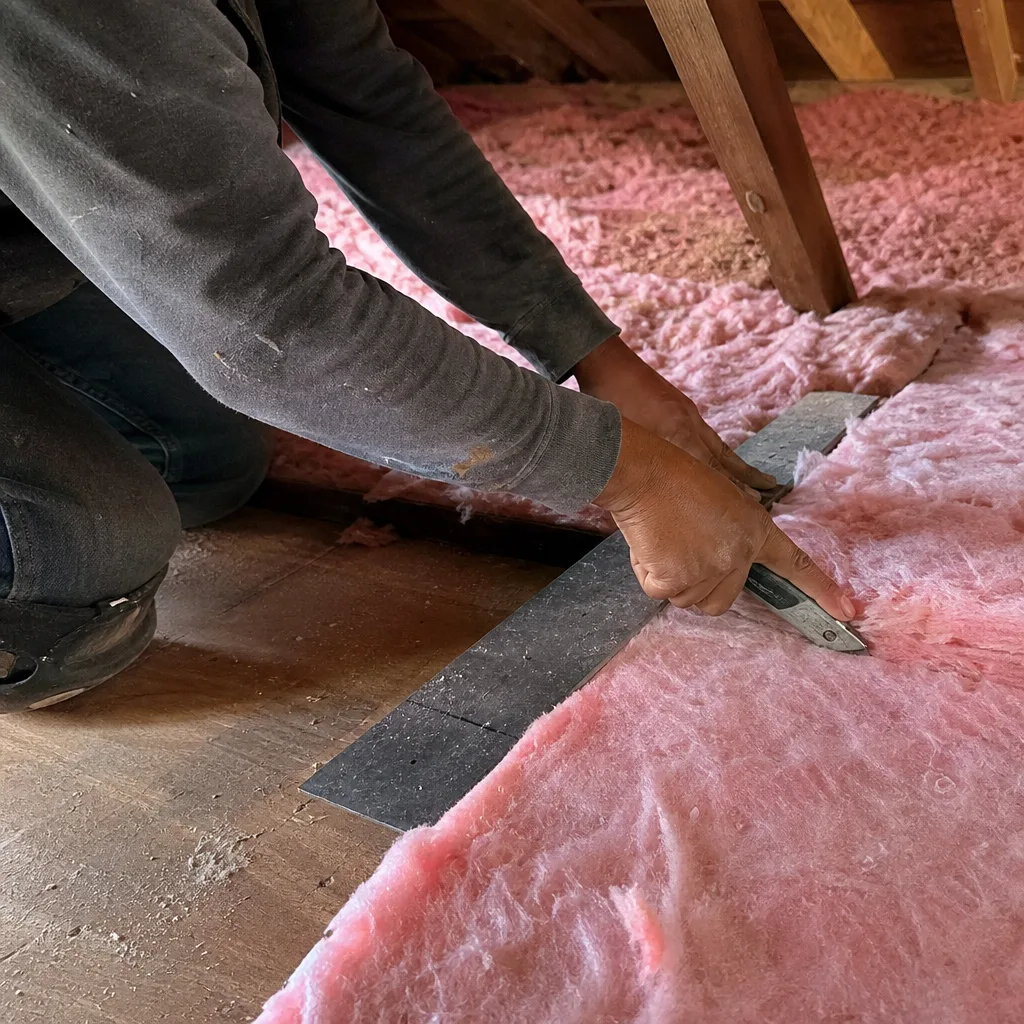
When we’re matching existing fiberglass in a partial upgrade, or when a homeowner specifically requests it, we source from Owens Corning and Johns Manville - brands we stock locally for fast turnaround on Converse jobs. Fiberglass works well in vented attics with good soffit-to-ridge airflow, though we always check whether that venting has calcified with attic dust before recommending it. In Converse’s older tracts, ridge and soffit venting often needs clearing or repair before any blown-in material will perform to spec.
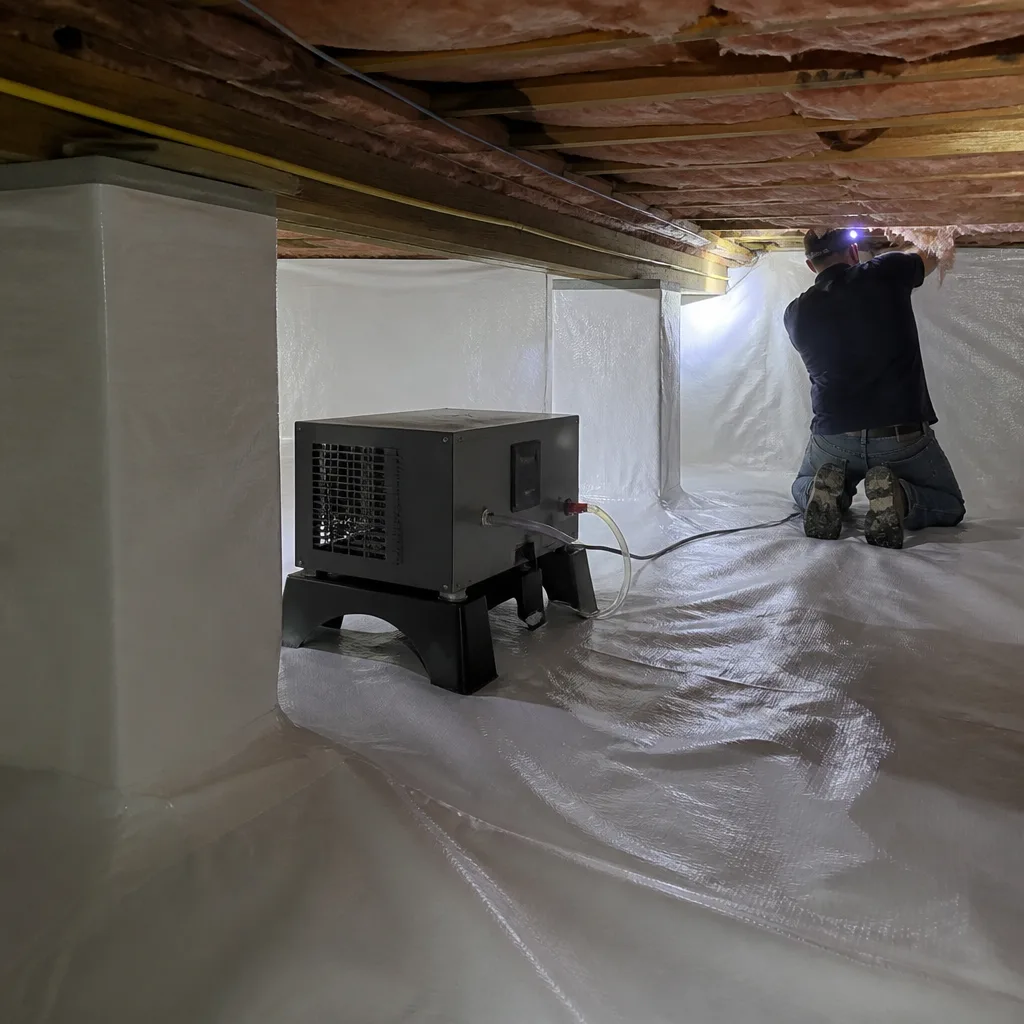
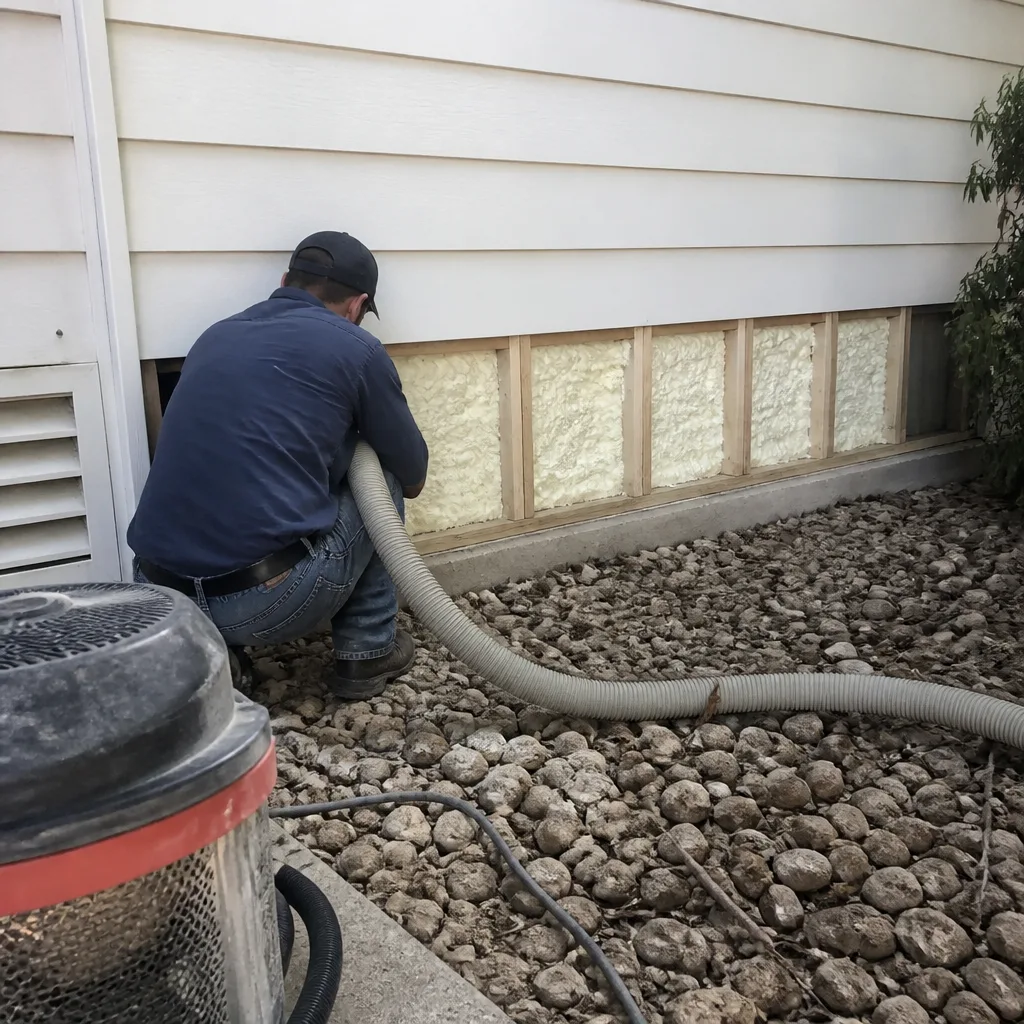
Dense-Pack Wall Insulation
Converse’s 2×4 exterior walls were originally built with thin fiberglass batts, if anything at all. Dense-pack cellulose - blown into wall cavities at 3.5 pounds per cubic foot to eliminate settling and air movement - is the only practical retrofit for these homes without tearing off siding. It’s a slower job than attic work, requiring access holes drilled strategically, but it’s the difference between walls that perform at R-13 and walls that leak conditioned air through every stud bay. Most Converse dense-pack wall jobs run $3,500-$6,500 depending on home size and access.
What happens when you call
- 1
A real person answersNo phone trees - you reach a local pro.
- 2
You get an upfront price rangeHonest numbers before anyone is dispatched.
- 3
A background-checked tech heads outLicensed & insured, dispatched right away.
- 4
You approve before work beginsNothing starts until you say go.
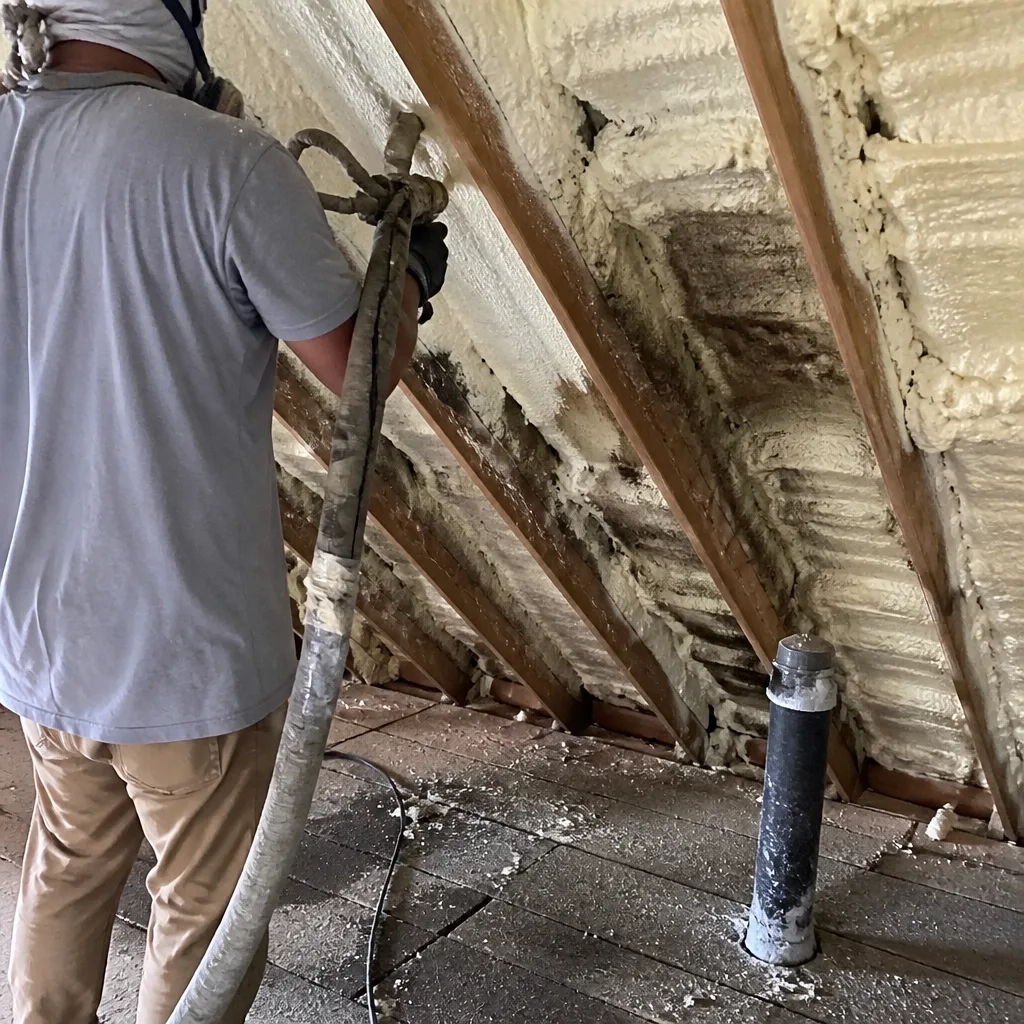 Before
 After
AfterTrusted Brands We Service in Converse
We source materials from Owens Corning, Johns Manville, Knauf, and Rockwool - no proprietary lock-in, no mystery products. For Converse customers, this means we can match existing insulation types when doing partial repairs or top-ups, and we can spec the right material for the specific condition of your attic rather than selling whatever’s in the warehouse. Local stock on GreenFiber cellulose and Owens Corning fiberglass keeps most jobs moving without supply delays.
Common Blown-In Insulation Problems We See in Converse Homes
- Settled original fiberglass to R-11/R-15. The 1980s blown-in in these attics has compressed and shifted over decades, leaving top plates exposed and creating thermal shadows visible from the hatch. We find this on nearly every pre-2000 Converse home we enter.
- Hip-roof attics that overheat and destroy ductwork. The common roof style in Converse tracts traps heat when venting fails; flexible ductwork lying on settled insulation cracks and leaks, so the AC works harder to cool rooms that never reach setpoint. The insulation isn’t the only problem, but it’s the one that hides the duct damage.
- Calcified ridge and soffit vents. Attic dust and humidity cement vent openings over 30-plus years. Heat stratifies instead of flushing. New blown-in material can’t perform if the attic it’s sitting in behaves like a solar oven.
- Air leaks at can lights, bath fans, and top plates. These penetrations were rarely sealed during original construction. Blown-in insulation over unsealed leaks just filters the air passing through - it doesn’t stop it.
Pricing for Blown-In Insulation in Converse, TX
Here’s what blown-in insulation costs in the Converse market, based on jobs we’ve written prices for since 2016:
| Service | Typical Range |
|---|---|
| Attic top-up (blown cellulose over existing) | $1,200 - $2,800 |
| Full attic re-blow with air sealing | $2,800 - $5,500 |
| Dense-pack wall insulation | $3,500 - $6,500 |
| Air sealing only (prep for insulation) | $800 - $1,800 |
What moves you within these ranges: attic square footage, current insulation depth, accessibility (hip roofs with limited hatch access take longer), and whether we need to clear or repair venting first. Every job gets a written price before any work starts - Haven Standard Clause 1 - and we provide a Free Second Opinion on any competing written estimate. Call (737) 227-6219 for an exact quote; estimates are free.
We Also Serve Cities Near Converse
Our crews work throughout the northeast San Antonio corridor, including Blown-In Insulation in Converse and surrounding communities: Universal City, Schertz, Cibolo, and Bulverde. Dispatch and scheduling are coordinated from our San Antonio office.
Serving Converse, TX - Our Local Coverage Area
We’re based in the Converse area and know this community well. Use the map below to see our service coverage - if you’re nearby, we can almost certainly help.
FAQs - Blown-In Insulation in Converse
Measure the existing depth against the joist tops. If the fiberglass sits below the joists and you can see the wood framing through the material, it’s settled to R-11 or less - typical for original 1980s installs in Converse. We document this with photos during our free estimate and show you exactly what we found. Call (737) 227-6219 for an exact quote; estimates are free.
The settled fiberglass isn’t contaminated or water-damaged in most Converse homes; it’s simply compressed and thin. Removing it adds $1,500-$3,000 to the job with no performance benefit over blowing new material on top after air sealing. The exception is rodent activity or mold, which we check for during inspection. Call (737) 227-6219 for an exact quote; estimates are free.
Yes - 2×4 walls max out at roughly R-13 with dense-pack cellulose, versus R-21 in modern 2×6 construction. We can’t change the framing, but we can eliminate air movement through the cavities and get the walls to perform at their physical limit. That’s a meaningful improvement over original thin batts or empty stud bays. Call (737) 227-6219 for an exact quote; estimates are free.
The 150°F attic temperatures drive us to prioritize air sealing before adding insulation - leaks let that superheated air press into conditioned space. The 2021 freeze showed how poorly these thin-wall homes retain heat, so we now recommend dense-pack wall work more often than we did pre-Uri. Every estimate includes a discussion of both seasonal loads. Call (737) 227-6219 for an exact quote; estimates are free.
Military PCS turnover means tenants rarely escalate high utility bills to landlords, so original 1980s insulation stays in place for 20-plus years undetected. The first time many homeowners see their attic is during a pre-sale inspection, when the thermal shadow across settled fiberglass finally gets documented. We do a lot of top-ups for new buyers in Converse who want the home they just purchased to perform like it’s 2026, not 1986. Call (737) 227-6219 for an exact quote; estimates are free.
Written by Wes Okafor, Owner at Topside Attic Insulation Canyon Lake, serving Converse since 2016.