
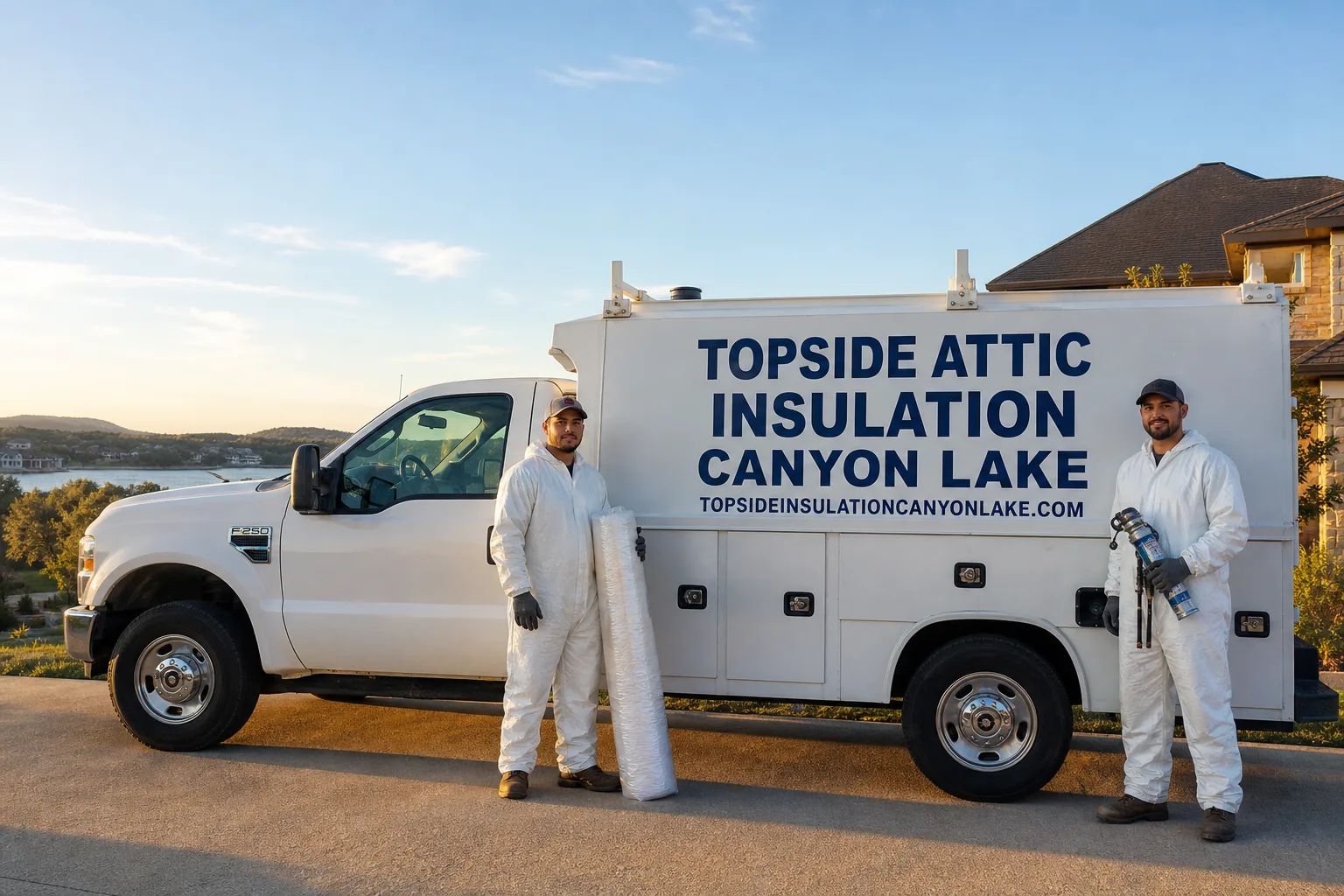
Fast, Reliable Blown-In Insulation Across Live Oak
Most blown-in insulation jobs on a Live Oak ranch home run $1,800-$4,200 and are completed in a single day, with crews typically arriving within 90 minutes of your scheduled window. We dispatch to Live Oak from our San Antonio scheduling office, and our crews know the streets around JBSA-Randolph - from Toepperwein Road to the older tracts off Woodlake Parkway - well enough to find your attic hatch without directions. Call (737) 227-6219 for a written price before any work starts.
Why Topside Attic Insulation Canyon Lake Is Live Oak’s Preferred Blown-In Insulation Company
We’ve sealed and insulated over 9,000 homes since 2016, and a disproportionate share of our blower-door records come from Live Oak’s 1960s-1980s ranch tracts. The reviews that matter to us are the ones where homeowners post their before-and-after CFM50 readings - the pressurization number that shows, in one figure, how much conditioned air the house was losing. Our Live Oak customers consistently see 40-60% reductions.
Response time to Live Oak is same-day or next-day for standard bookings, and our 24/7 live-answer line means you’re talking to a person, not a callback queue. Every crew is background-checked and uniformed; you get a named technician and a text when they’re on the way. Under Haven Standard: Arrive on schedule.
What separates our Live Oak work from crews driving up from newer suburbs is that we expect your attic. The compressed batts, the open can lights, the missing radiant barrier - we bring the right materials and the right mindset for houses built fast for military families, not for thermal performance.
Our Blown-In Insulation Services in Live Oak
Blown-In Cellulose
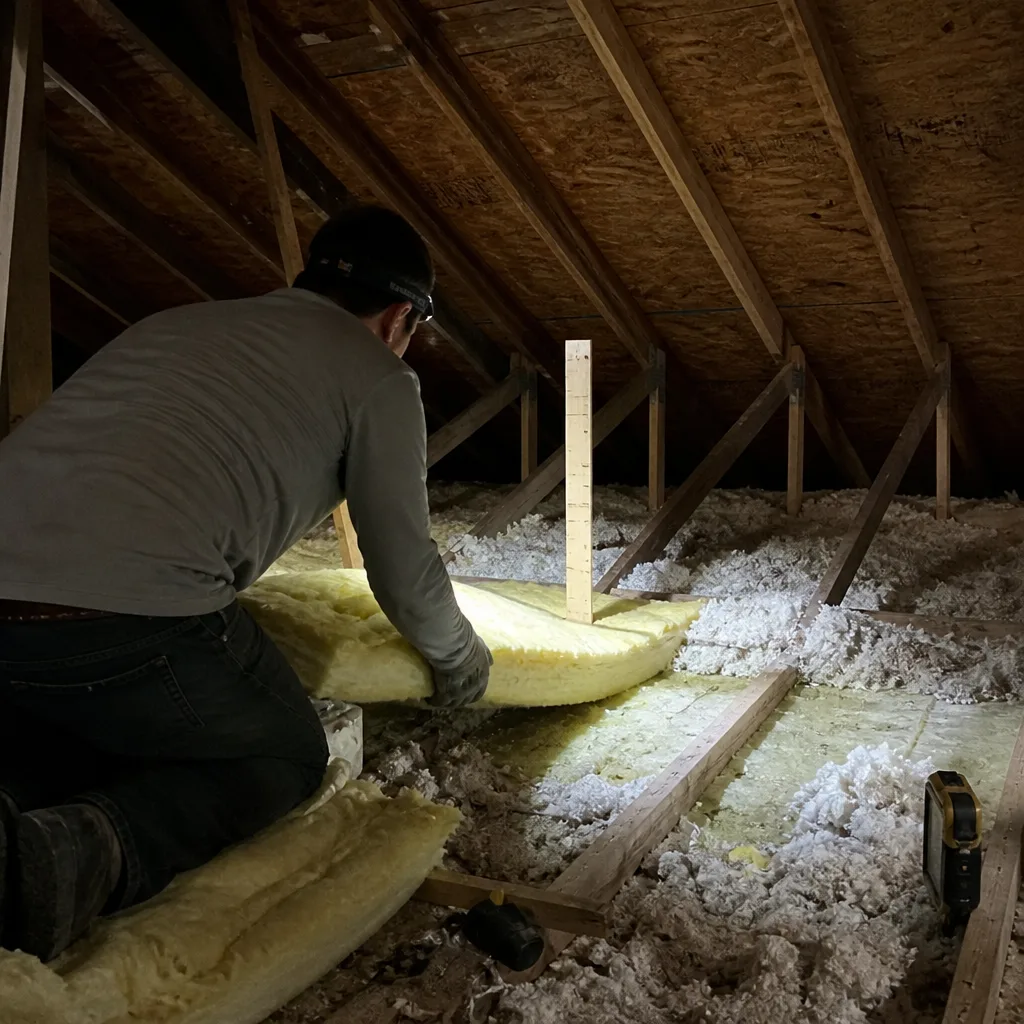
Cellulose is our default recommendation for Live Oak’s legacy attics. We blow GreenFiber cellulose to a uniform depth, typically achieving R-38 to R-49 over the existing compressed batts after proper air sealing. The material settles into irregular joist bays better than fiberglass, and its higher density helps block the radiant heat coming off 155°F decking in July. On that 1972 slab ranch off Toepperwein Road near the Randolph fence line, our crew found the original Owens Corning batts compressed flat over every recessed can and open HVAC boot, with no radiant barrier in the decking. We air-sealed the penetrations, dense-packed the open wall cavities under the front windows, and blew GreenFiber cellulose to a uniform depth over the existing batts. Attic temps on that street were hitting the 150s in July; the homeowner’s 9-month cooling load finally tracked the thermostat.
Blown-In Fiberglass
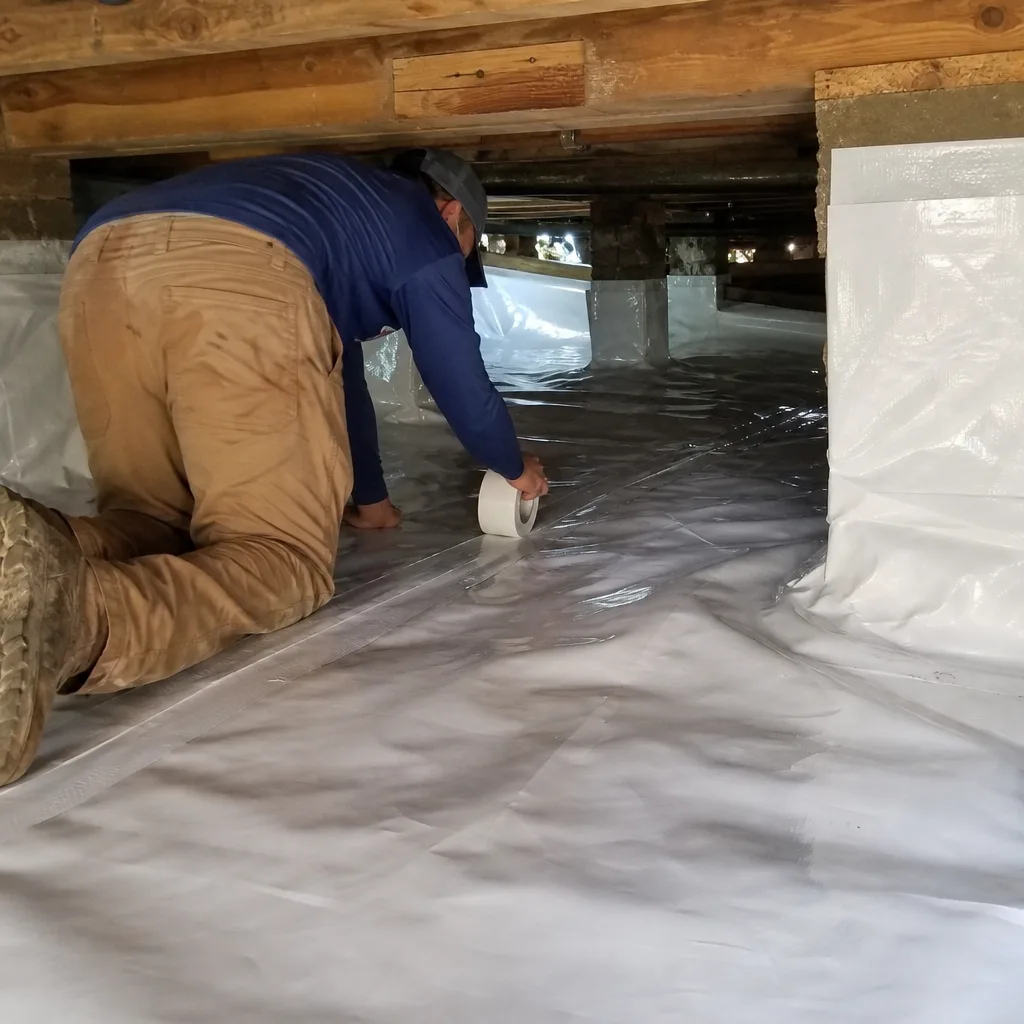
We stock Knauf and Johns Manville blown fiberglass for Live Oak homeowners who prefer it, particularly in attics where moisture history makes cellulose less suitable. Fiberglass doesn’t absorb humidity the way cellulose can, which matters in some of Live Oak’s 1980s ranches with older roof ventilation. We still air-seal first - blower-door test before and after - and we still publish the numbers. Most Live Oak fiberglass jobs run $2,000-$3,800 for a typical 1,400-2,000 square foot ranch.
Dense-Pack Wall Insulation
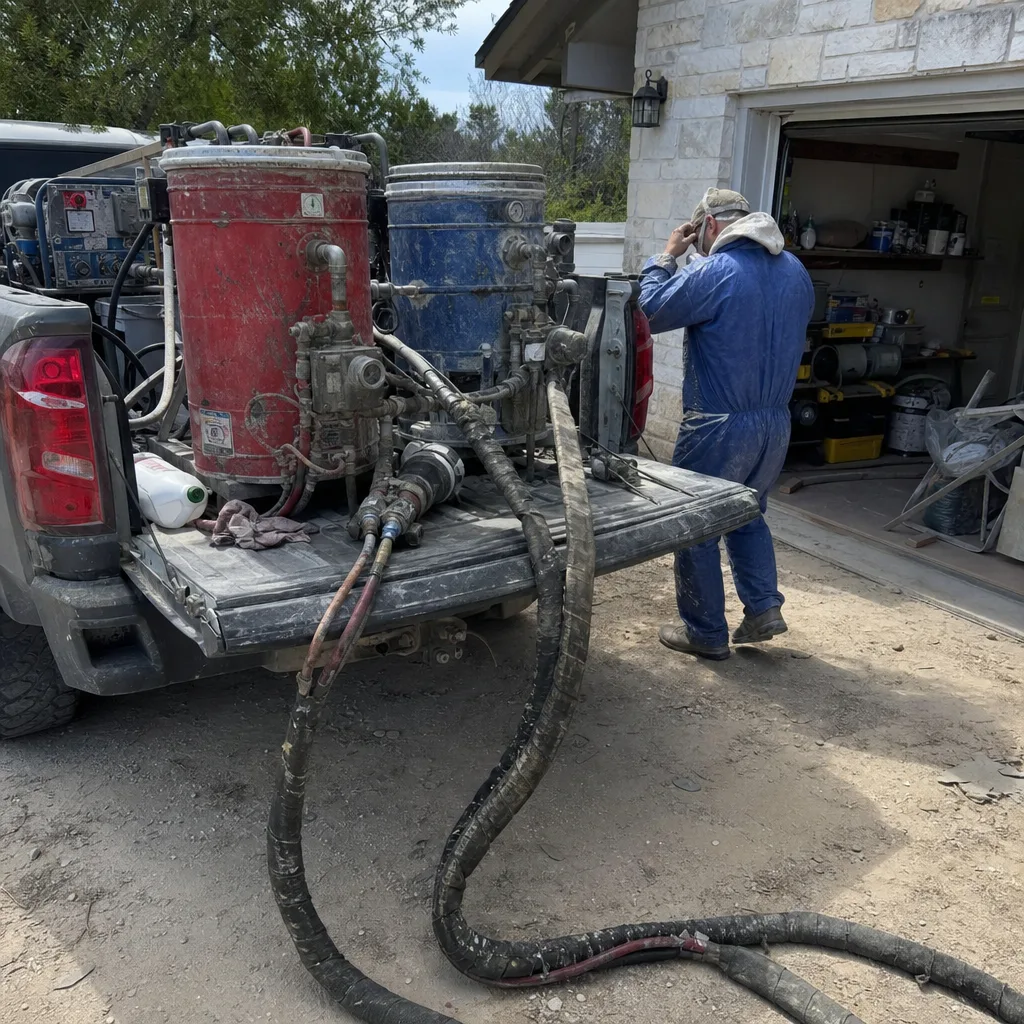
The exterior walls in Live Oak’s 1960s-1970s ranches were often built with no insulation at all, or with thin batts that have slipped to the bottom of the stud bay. Dense-packing - blowing cellulose at high pressure into closed cavities - fills every gap without removing drywall. We drill discrete access holes, pack the cavity to 3.5 pounds per cubic foot, and patch with matching texture. On older Live Oak streets near the Randolph perimeter, this is frequently the difference between a room that never cools and one that holds its setpoint. Typical dense-pack wall jobs in Live Oak run $1,200-$2,800 depending on linear footage.
Blown-In Top-Up
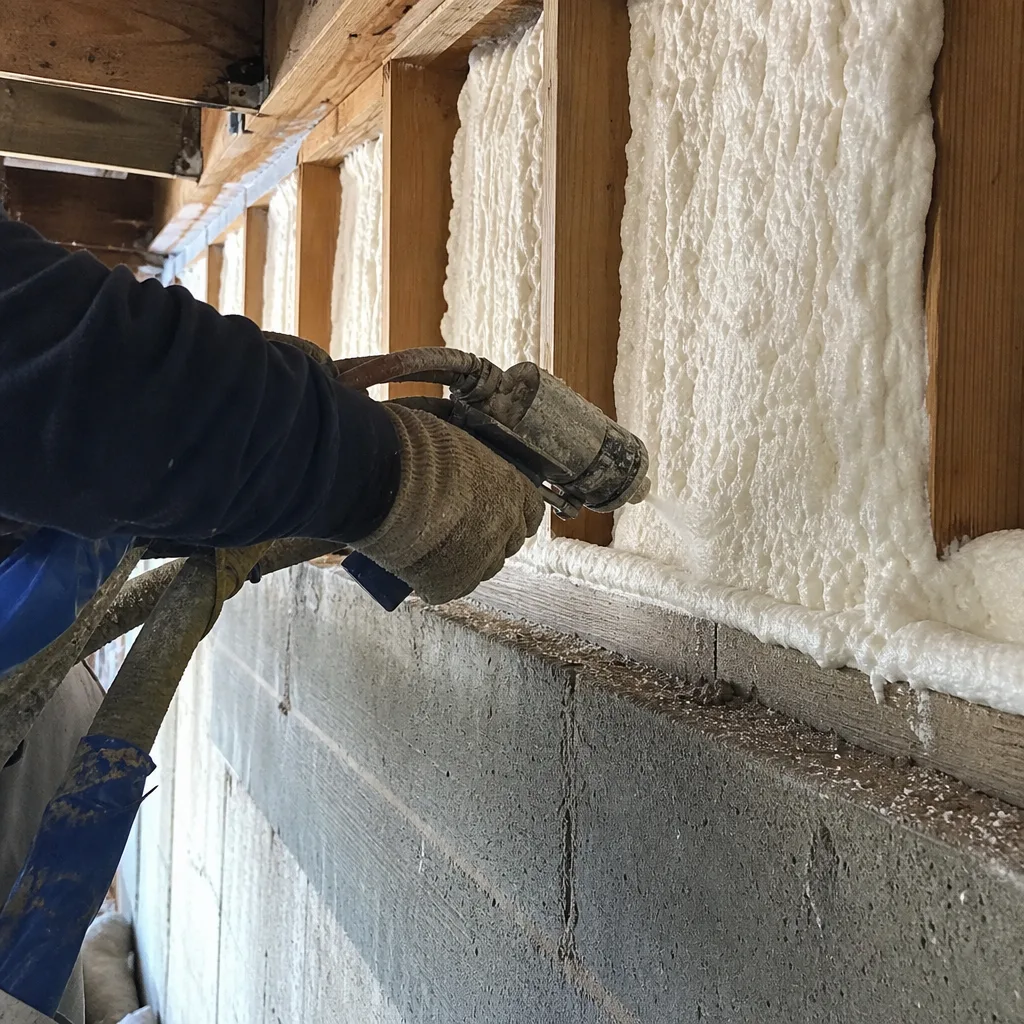
Here’s the reality in Live Oak: a “top-up” is almost never just adding material. The original fiberglass batts in these 1960s-1980s ranch homes around the JBSA-Randolph perimeter were built as fast military-adjacent housing with original fiberglass batts that now sit flattened against the ceiling drywall and measure R-8 or less, and they almost never left the builder with a radiant barrier - so a blown-in top-up here is functionally a whole-envelope correction, not a maintenance task. We remove or work over the compressed batts, seal every penetration, and blow to full depth. Most Live Oak top-ups that include air sealing run $2,200-$4,500.
What happens when you call
- 1
A real person answersNo phone trees - you reach a local pro.
- 2
You get an upfront price rangeHonest numbers before anyone is dispatched.
- 3
A background-checked tech heads outLicensed & insured, dispatched right away.
- 4
You approve before work beginsNothing starts until you say go.
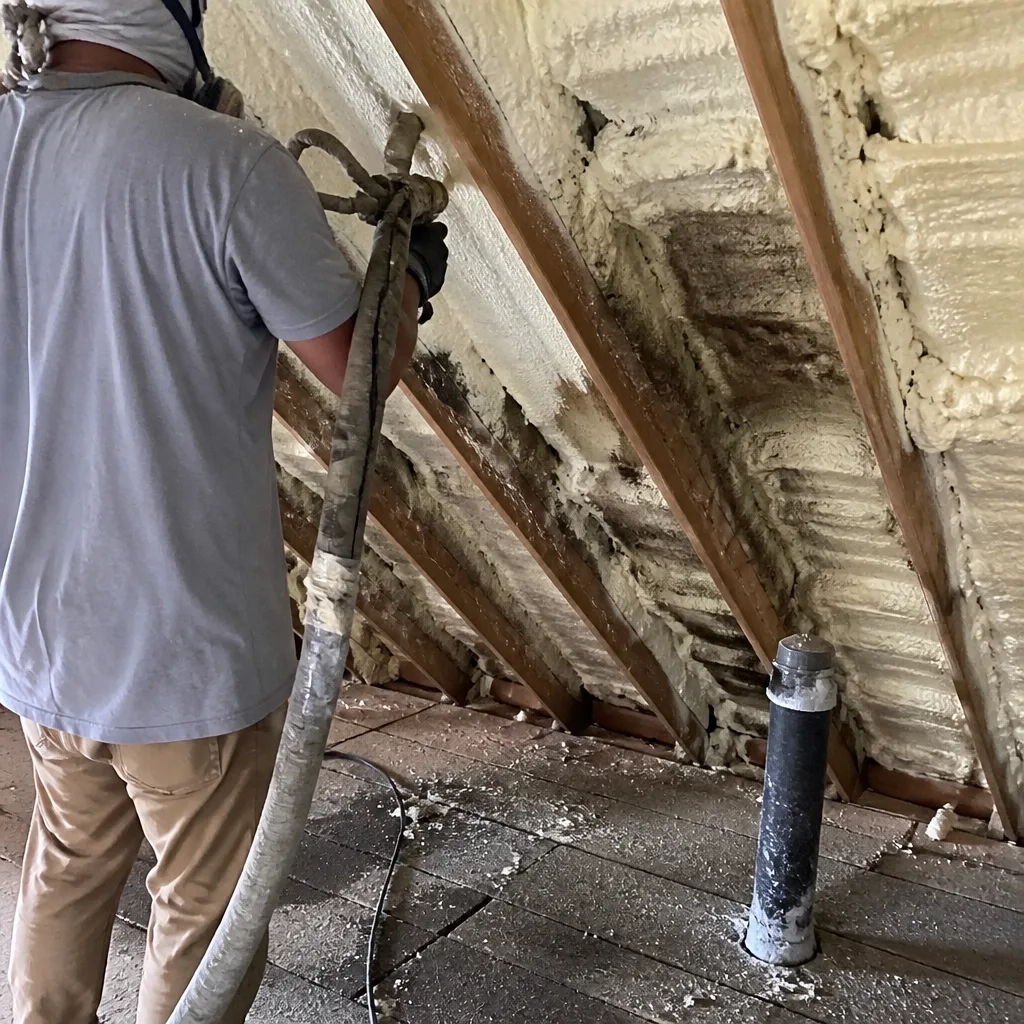 Before
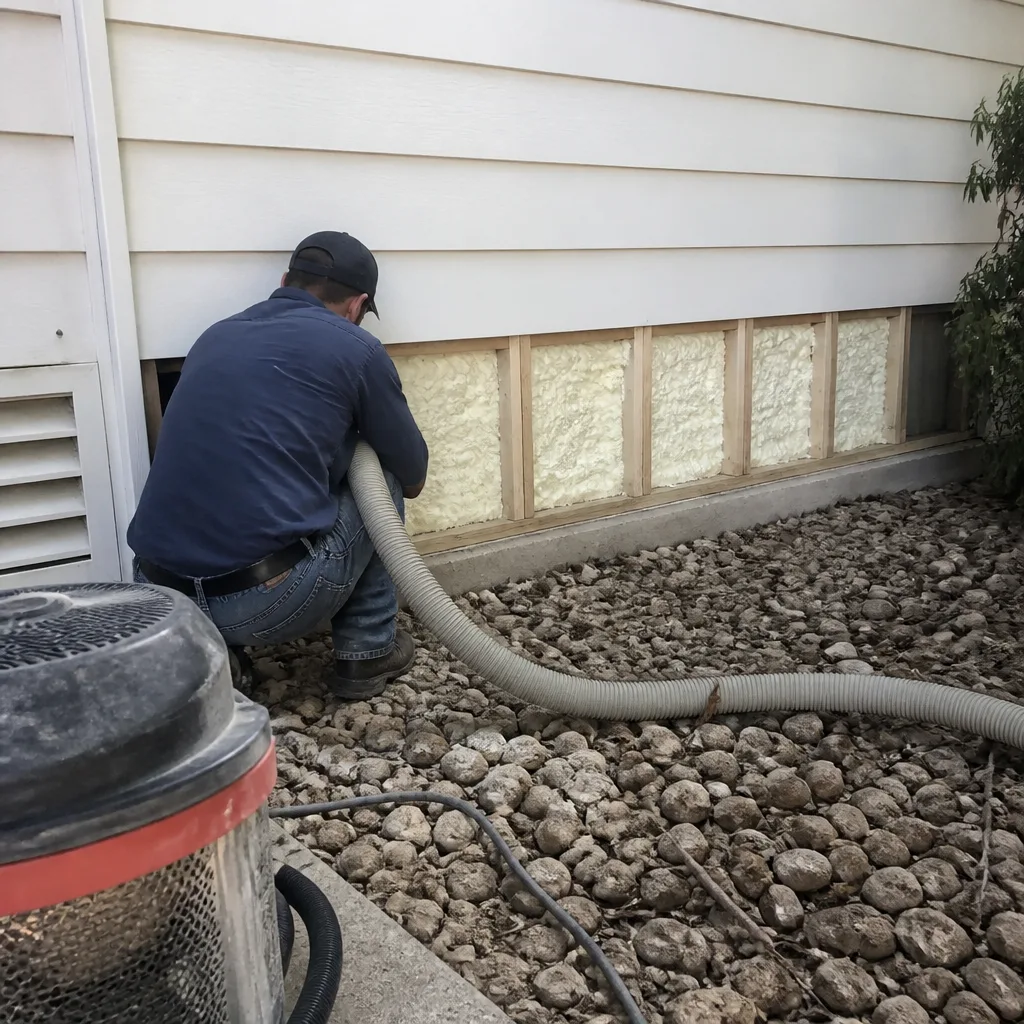 After
AfterTrusted Brands We Service in Live Oak
We source materials from Owens Corning, Johns Manville, Knauf, and GreenFiber - no proprietary lock-in, no house brand with markup. For Live Oak’s extreme attic conditions, we specify products rated for sustained high-temperature exposure. GreenFiber cellulose, treated with borate for fire and pest resistance, holds up in the 150°F-plus attics we measure off Toepperwein and Woodlake. Owens Corning blown fiberglass is specified where moisture or ventilation concerns push the recommendation. We stock locally and turn most Live Oak material orders same-day, so your job doesn’t wait on a freight line from Dallas.
Common Blown-In Insulation Problems We See in Live Oak Homes
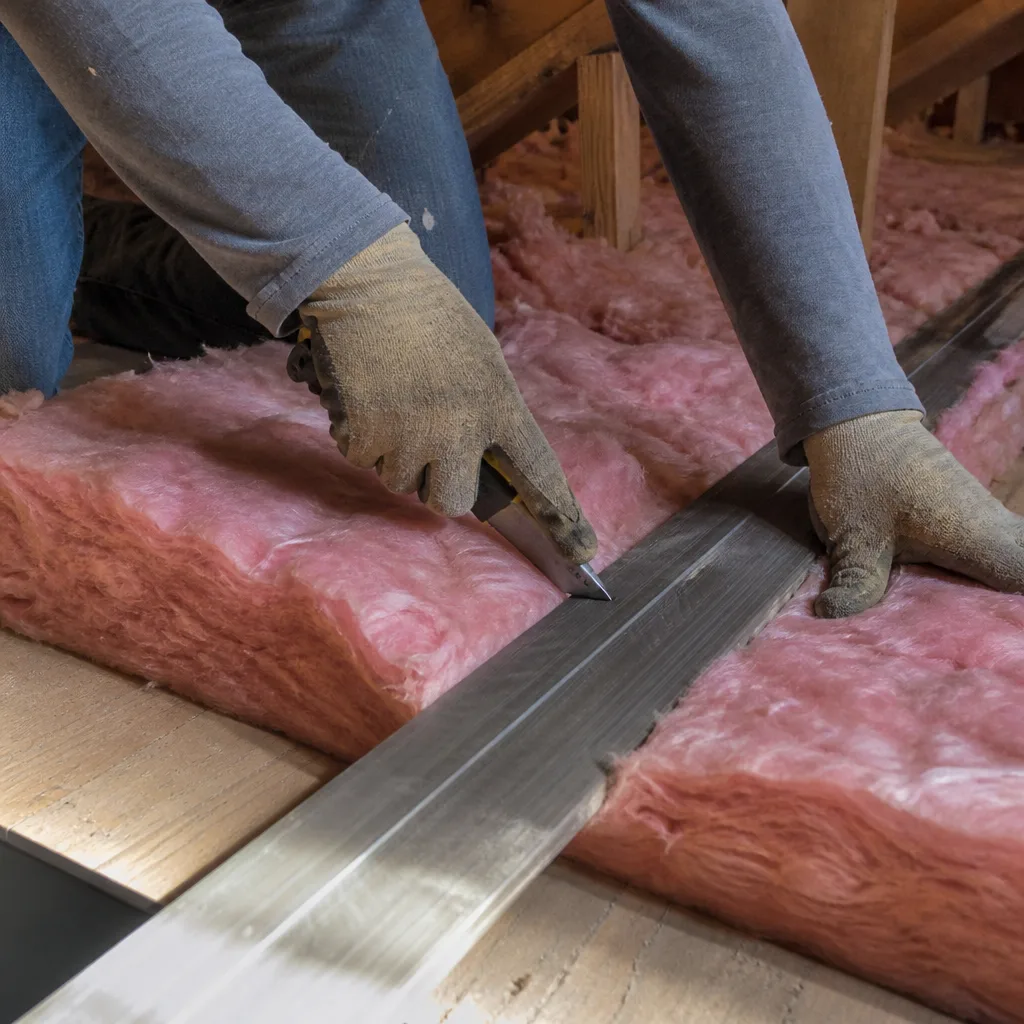
- Original fiberglass batts compressed to R-8 or less. The mid-century batts in Live Oak’s ranch tracts have flattened against the ceiling drywall over decades of heat cycling. Heat passes straight through the top plate. We measure this with an infrared camera before we quote; the photos go in your Documented Photo Record.
- Every recessed can and HVAC boot left open to conditioned space. Contractors working Live Oak’s older streets near the Randolph perimeter consistently encounter attics where the original mid-century fiberglass batts have compressed flat against the ceiling drywall and every single HVAC boot and recessed-can cutout is completely open to conditioned space - a signature of the era’s rushed tract construction that a crew working in newer Schertz or Cibolo subdivisions simply never sees. Blow insulation over these holes and you’re just filtering your conditioned air through cellulose.
- No radiant barrier, ever. These attics were built before radiant barrier decking existed. The 155°F summer roof bakes the blown-in layer from above while delaminating the original duct wrap. We address this with proper ventilation assessment and, where appropriate, radiant barrier retrofit as part of the scope.
- Wall cavities completely empty. The front and side walls of Live Oak’s slab ranches often have nothing in them. The room with the west-facing window never cools because there’s literally no insulation between the drywall and the siding. Dense-pack fixes this without tearing out walls.
Pricing for Blown-In Insulation in Live Oak, TX
| Service | Typical Range in Live Oak | What Drives the Number |
|---|---|---|
| Blown-in cellulose attic (air seal + blow to R-38) | $1,800-$3,400 | Attic square footage, accessibility, extent of air sealing needed |
| Blown-in fiberglass attic | $2,000-$3,800 | Material choice, attic complexity, ventilation condition |
| Dense-pack wall insulation | $1,200-$2,800 | Linear feet of exterior wall, number of stories, patchwork required |
| Blown-in top-up with air sealing | $2,200-$4,500 | Condition of existing batts, penetration count, radiant barrier need |
| Full attic removal + replacement | $3,500-$6,200 | Contamination level, accessibility, disposal volume |
These are the ranges we see on actual Live Oak quotes written under Haven Standard Clause 1: flat price, written scope, written warranty before anyone lifts a tool. Your exact number depends on what we find in the attic - which is why we start with a free assessment, not a phone guess. Bring us a competing written estimate; we’ll read it with you. Free Second Opinion on any written estimate. Call (737) 227-6219.
We Also Serve Cities Near Live Oak
Our crews work daily in Canyon Lake, Bulverde, New Braunfels, and Timberwood Park - each with its own housing stock and its own insulation profile. The Blown-In Insulation team at Topside Attic Insulation Canyon Lake dispatches from San Antonio and carries the same Haven Standard documentation to every job: written price first, blower-door numbers where applicable, Documented Photo Record on departure.
Serving Live Oak, TX - Our Local Coverage Area
We’re based in the Live Oak area and know this community well. Use the map below to see our service coverage - if you’re nearby, we can almost certainly help.
FAQs - Blown-In Insulation in Live Oak
We can, but we won’t do it without air sealing first. Those original batts are compressed to R-8 or less and every recessed can and HVAC boot in the ceiling is open to your conditioned space. Blowing cellulose over unsealed holes just filters your AC through insulation. We air-seal, then blow. Call (737) 227-6219 for a written scope - estimates are free.
Your friends in Schertz likely live in a 2000s-or-newer home with radiant barrier decking, sealed penetrations, and R-30+ batts. Your Live Oak attic was built in the 1960s-1980s with none of those things, and 155°F summer decking with no radiant barrier bakes everything below it. The difference isn’t your imagination; it’s your thermal envelope. We measure it with a blower-door test and show you the CFM50 number.
Yes. Each open cutout is a direct path between your 72°F living room and your 150°F attic. In a typical Live Oak ranch we find 12-20 of these, plus open HVAC boots and unsealed top plates. That’s equivalent to leaving a window cracked year-round. We seal them with fire-rated covers and foam before any insulation goes in. The blower-door test proves the result.
Do the attic first - it gives the biggest single improvement - but don’t ignore the walls. Live Oak’s slab ranches often have empty exterior wall cavities, and the west-facing rooms suffer for it. Dense-pack is the cost-effective fix without tearing out drywall. Most homeowners do attic now, walls next season, and we can scope both in one visit so you know the full price.
Both are rated for sustained attic temperatures well above what we measure in Live Oak. GreenFiber cellulose, treated with borate, doesn’t degrade at these temperatures; Owens Corning fiberglass is thermally stable to 200°F-plus. The real enemy is moisture from roof leaks or bathroom vents dumping into the attic, not heat. We inspect for both during our assessment and document what we find in your photo record. Call (737) 227-6219 to schedule - estimates are free.
Ready for a written price? Call (737) 227-6219. A live person answers 24/7. We’ll schedule your free assessment, deliver your flat-price quote in writing before any work starts, and leave you with a Documented Photo Record and - on applicable jobs - before-and-after blower-door numbers that prove what you paid for.
Written by Wes Okafor, Owner at Topside Attic Insulation Canyon Lake, serving Live Oak since 2016 under The Haven Standard.