
Fast, Reliable Blown-In Insulation Across Seguin
Most blown-in insulation jobs in Seguin run $1,800-$4,500 for a typical attic, with same-day assessments available and crews dispatched from our San Antonio coordination office. If your home sits near the Guadalupe River or in one of the production subdivisions built during the Continental AG expansion, you’re likely dealing with either builder-minimum R-19 batts that have compressed below their rated value, or - if you’re in the historic core - solid limestone walls with no cavity to fill at all. Either way, the fix starts with a blower-door test and a written price before anyone touches your attic. Call (737) 227-6219 and a live person will pick up, 24/7.
Why Topside Attic Insulation Canyon Lake Is Seguin’s Preferred Blown-In Insulation Company
We’ve sealed and insulated over 9,000 homes since 2016, and a significant share of them sit right here in Guadalupe County - from the German-settler limestone structures near the courthouse square to the 2010s-era subdivisions off Highway 123. Our Blown-In Insulation crews understand the split: Seguin isn’t a single housing market, and treating it like one wastes money.
Response time to Seguin neighborhoods typically runs 45-90 minutes from dispatch. We serve the historic core, the Continental AG corridor, the River Road area, and the newer tracts near Kingsbury Street - no “out of area” upcharges for standard Seguin addresses.
Our reviews from Seguin customers consistently mention two things: the before-and-after blower-door numbers we publish on every job, and the documented photo record they receive before the crew leaves. Under Haven Standard Clause 1, you get a written price, written scope, and written warranty before any work starts. No exceptions.
Wes Okafor, who leads our operations, personally reviews any job involving historic masonry retrofits - the kind of project that trips up crews trained only on wood-frame production homes.
Our Blown-In Insulation Services in Seguin
Blown-In Cellulose
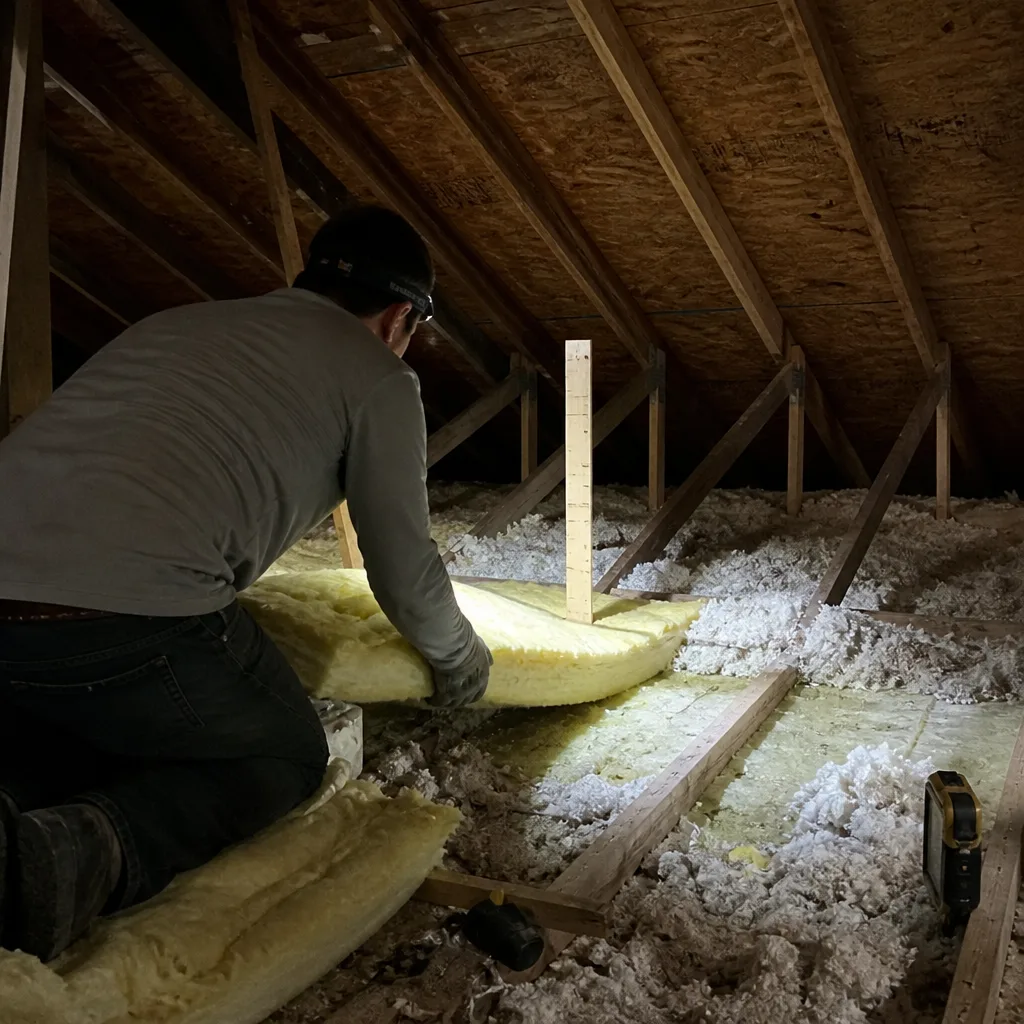
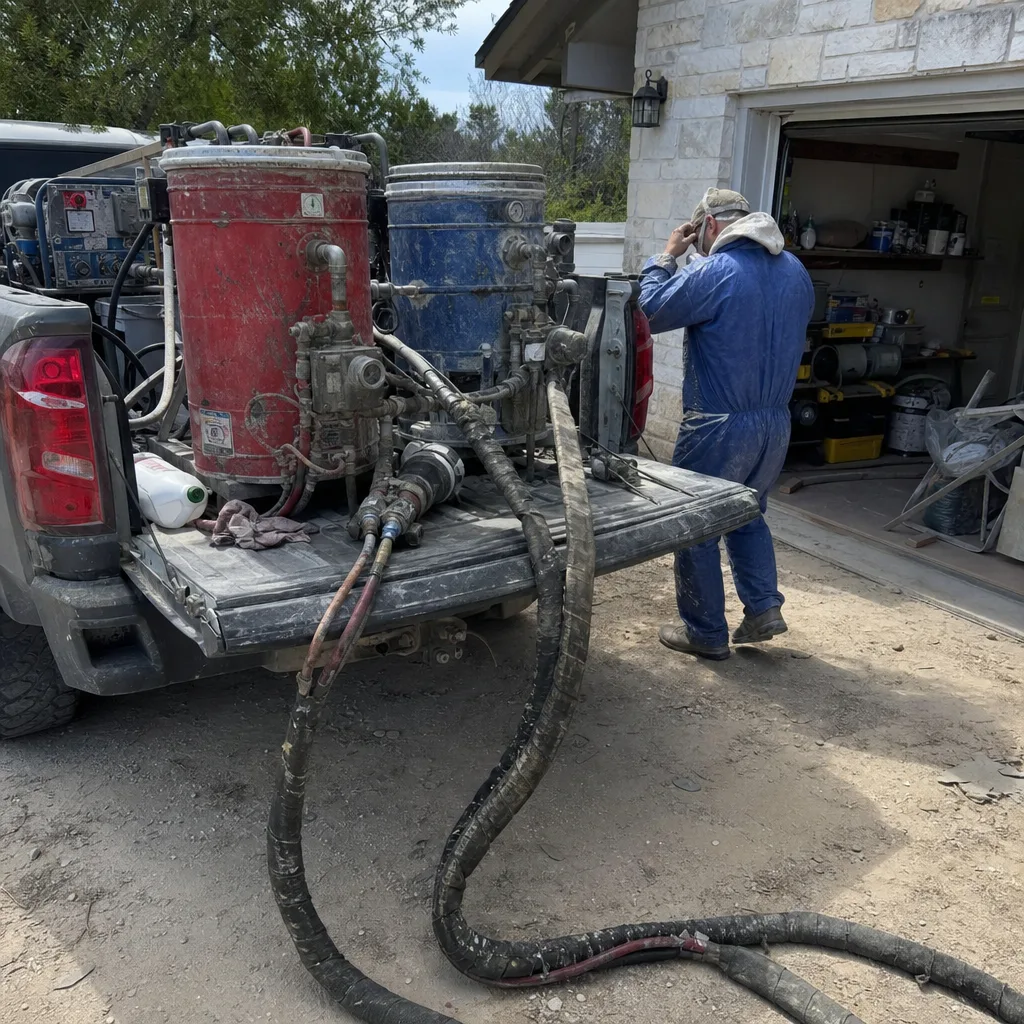
We use GreenFiber cellulose for most Seguin attic top-ups and full-depth installations. Cellulose handles Guadalupe River valley humidity better than fiberglass when attic air sealing is done first - and we always seal first. In the 2010s-2020s production homes near the Continental AG plant, we regularly pull compressed R-19 batts and replace them with blown cellulose to R-38 or R-49, depending on the roof pitch. The material is treated with borate for fire and pest resistance, which matters in Seguin where attic temperatures can exceed 140°F in July.
Blown-In Fiberglass
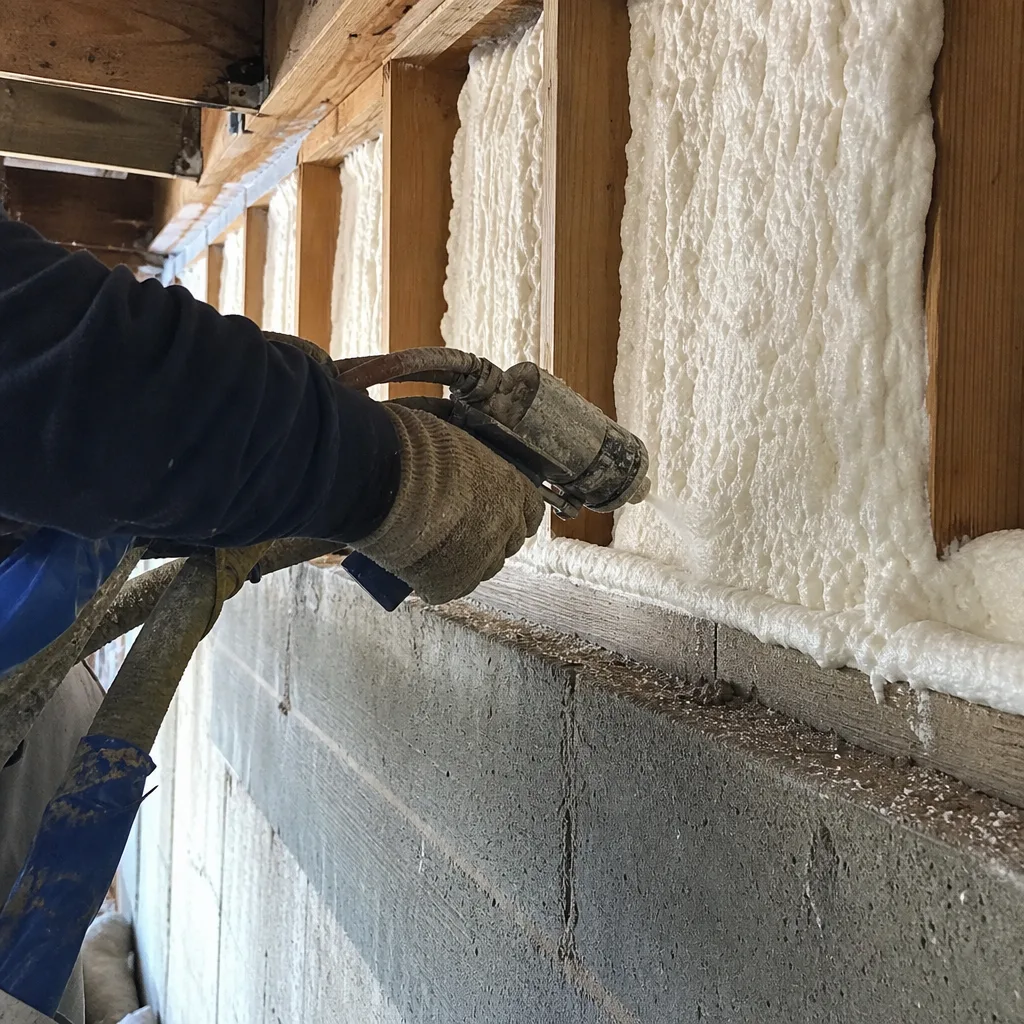
Knauf and Owens Corning fiberglass work well for new-construction upgrades and certain attic geometries where cellulose settling is a concern. We specify fiberglass for Seguin homes with steep cathedral ceilings or limited attic access where uniform coverage is harder to verify. Like all our jobs, these start with a written price and close with blower-door documentation.
Dense-Pack Wall Insulation
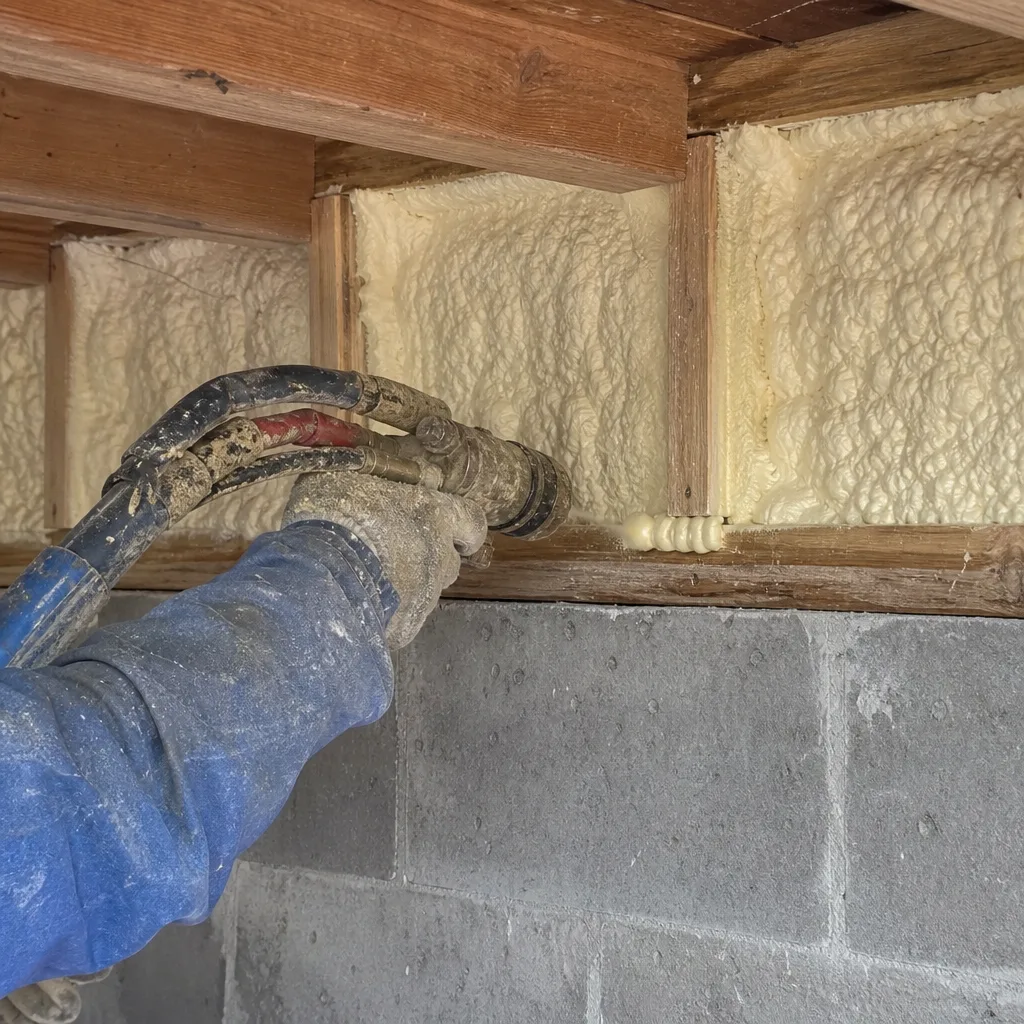
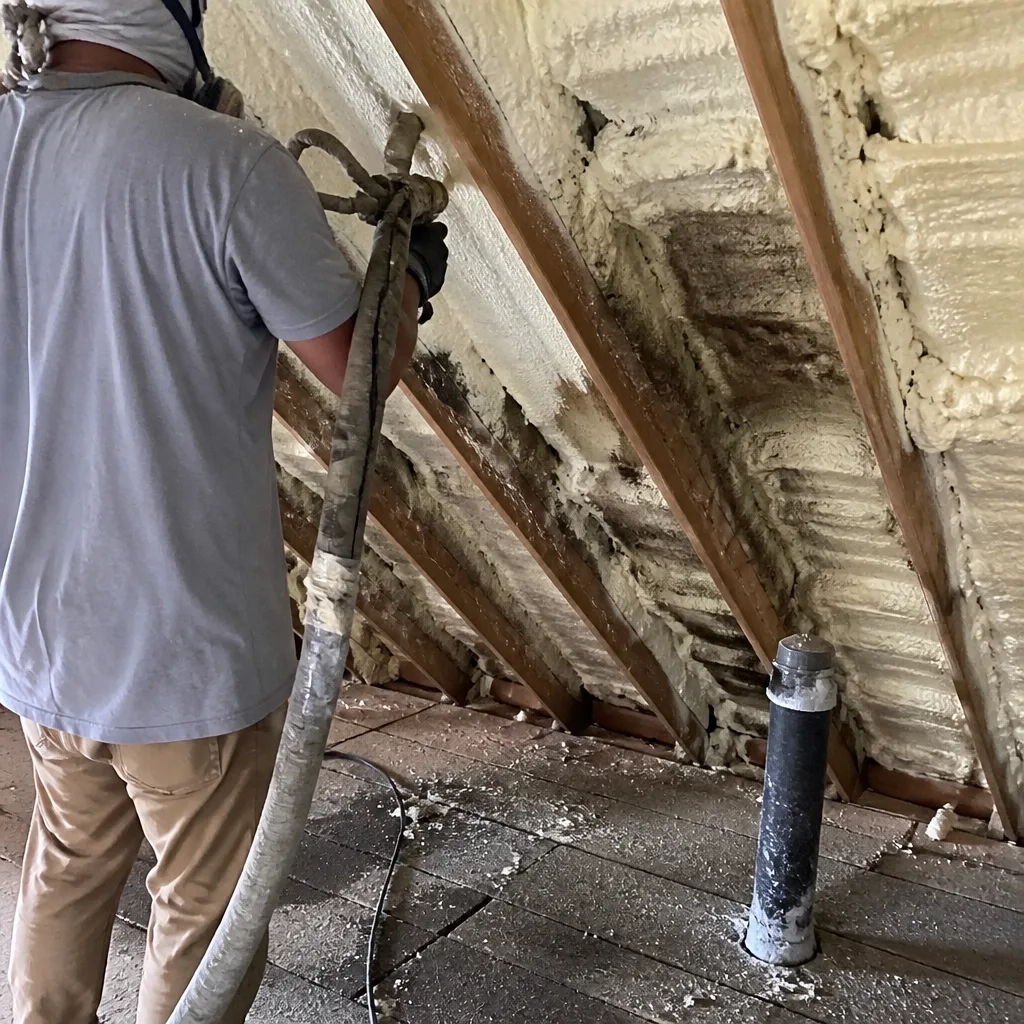
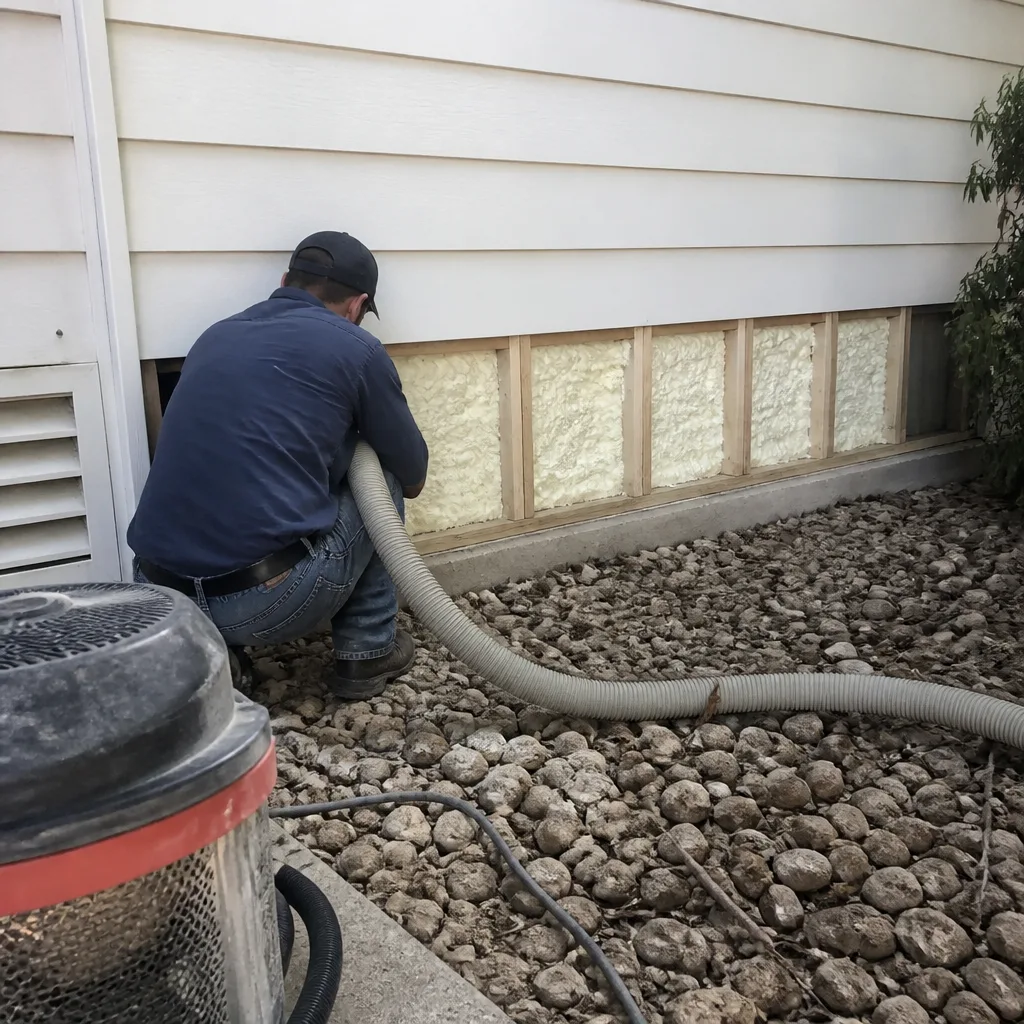
Here’s where Seguin gets complicated. Dense-pack cellulose or fiberglass requires a wall cavity - a stud bay with empty space between interior drywall and exterior sheathing. The German-era limestone-block homes near the courthouse square? Solid masonry. No cavity. No dense-pack. We’ve seen out-of-town crews try anyway and blow insulation into nothing, or worse, crack lime-mortar joints that have held for 150 years. Our protocol: assess wall construction first. If it’s solid limestone, we pivot to spray foam at the attic deck plane or interior rigid board - methods that actually work on that building type. For the wood-frame additions and 2000s-era subdivisions, dense-pack is straightforward and effective.
Blown-In Top-Up
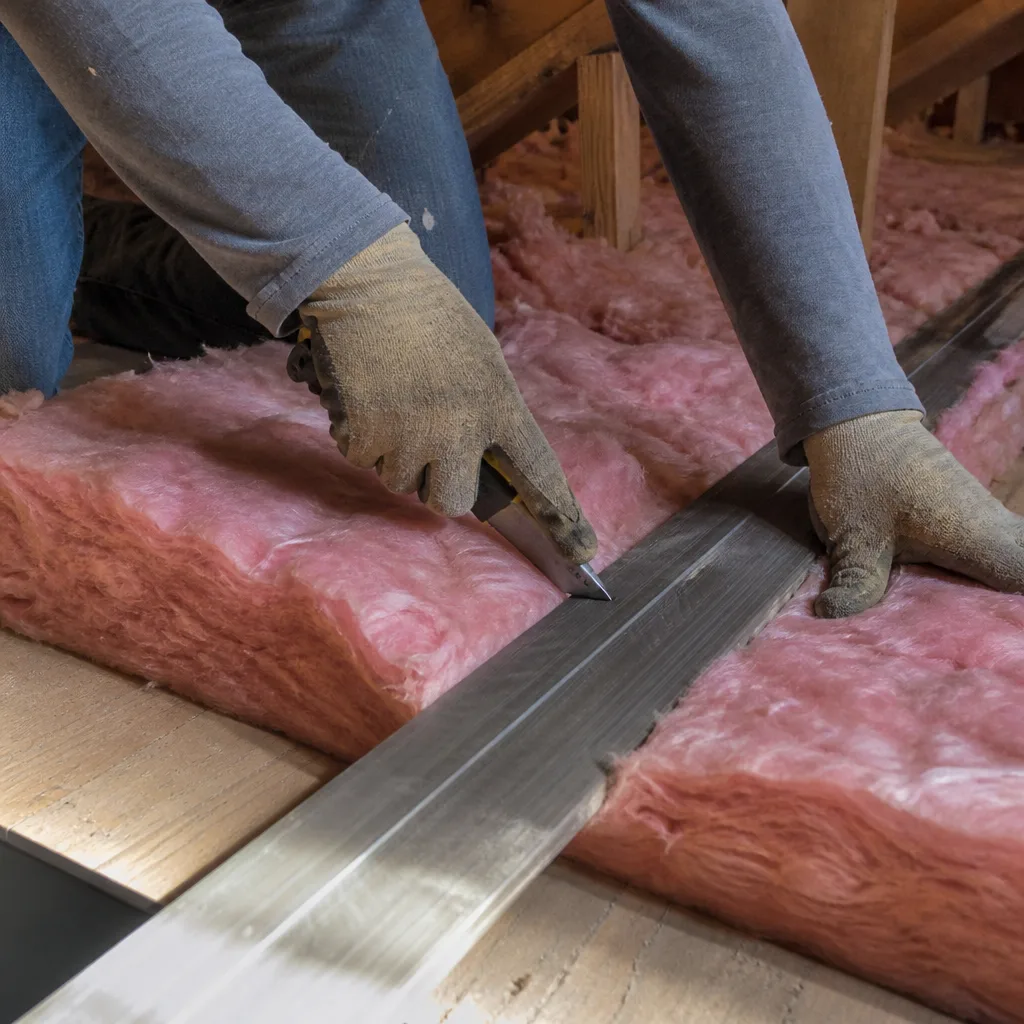
The most common call we get in Seguin. Homeowner buys a 2015 production home, checks the attic, and finds R-19 batts compressed to R-13 or less by HVAC maintenance, cable runs, and storage traffic. We measure what’s there, air-seal the top plates and penetrations, then blow additional cellulose to bring the assembly to R-38 or R-49. The whole job typically runs $1,800-$3,200 and includes before-and-after blower-door readings so you can see the air-leakage reduction in CFM50.
What happens when you call
- 1
A real person answersNo phone trees - you reach a local pro.
- 2
You get an upfront price rangeHonest numbers before anyone is dispatched.
- 3
A background-checked tech heads outLicensed & insured, dispatched right away.
- 4
You approve before work beginsNothing starts until you say go.
 Before
 After
AfterTrusted Brands We Service in Seguin
We source materials from Owens Corning, Johns Manville, Knauf, and GreenFiber - no proprietary lock-ins that limit your options. For Seguin jobs, we stock cellulose and fiberglass locally to avoid supply-chain delays, and we carry the borate-treated formulations that perform better in high-humidity river-valley attics. If your home needs a specific product for warranty continuity or builder requirements, we match it. Every material choice is documented in your written scope before work begins.
Common Blown-In Insulation Problems We See in Seguin Homes
- Historic limestone walls with no stud cavity. Crews trained on wood-frame subdivisions try to dense-pack solid masonry in the historic core and either blow insulation into nothing or crack lime-mortar joints. The wall has no cavity to fill. We assess construction type first and specify spray foam or rigid board when dense-pack won’t work.
- Compressed builder-minimum batts in production homes. The 2010s-2020s subdivisions around the Continental AG plant were finished with R-19/R-30 batts that HVAC techs and cable installers compress below their labeled R-value before the homeowner ever moves in. Blown-in top-up restores depth and eliminates the gaps batts leave around framing.
- Humidity intrusion through unsealed attic penetrations. Original pipe chases and balloon-framed penetrations in pre-war Seguin homes leak Guadalupe River valley humidity straight into the thermal envelope. New blown-in insulation absorbs that moisture and mats down instead of staying lofted. Winter Storm Uri exposed this across Guadalupe County - wet insulation doesn’t insulate.
- Attic air leaks ignored before insulation goes in. We see this everywhere, but it’s especially costly in Seguin’s climate. Blowing insulation over an unsealed attic floor is like pouring water into a bucket with holes. We seal first: top plates, can lights, chimney chases, wire penetrations. Then we insulate. The blower-door test proves the difference.
Pricing for Blown-In Insulation in Seguin, TX
Here’s what blown-in insulation costs in Seguin’s market right now:
| Service | Typical Range |
|---|---|
| Attic top-up (R-19 to R-38) | $1,800 - $3,200 |
| Full attic replacement with air sealing | $3,500 - $5,800 |
| Dense-pack wall insulation (wood-frame only) | $2,200 - $4,000 |
| Historic masonry retrofit (spray foam attic deck) | $4,500 - $7,500 |
Factors that move the number: attic square footage, current insulation condition, accessibility, whether air sealing is needed first (it usually is), and whether we’re working around knob-and-tube wiring or other hazards common in pre-1950s Seguin homes. We don’t do “it depends” without giving you the actual range first. Every estimate is free, written, and delivered before any work starts - Haven Standard Clause 1. Bring us a competing quote; we’ll read it with you. Call (737) 227-6219.
We Also Serve Cities Near Seguin
Our crews work throughout the I-35 and Highway 78 corridors, including Seguin, New Braunfels, Cibolo, Schertz, and Universal City. Dispatch and scheduling are coordinated from our San Antonio office; crews serve Seguin locally with no out-of-area surcharges for standard addresses.
Serving Seguin, TX - Our Local Coverage Area
We’re based in the Seguin area and know this community well. Use the map below to see our service coverage - if you’re nearby, we can almost certainly help.
FAQs - Blown-In Insulation in Seguin
No - solid limestone-block walls have no stud cavity to fill, so standard blown-in methods don’t apply. We were called to a circa-1890s limestone-block home off the historic courthouse square where the homeowner wanted blown-in cellulose in the walls, but there was no cavity to blow into. Our tech ran spray foam along the attic deck plane and dense-packed the few framed interior partitions with GreenFiber cellulose, then air-sealed the balloon-framed penetrations that were bleeding Guadalupe River humidity straight into the living space. The homeowner went from attic temps near 140°F in July to a conditioned buffer that finally let the window units keep up. For historic masonry homes, we specify spray foam at the attic deck or interior rigid board - the only code-compliant retrofit options. Call (737) 227-6219 for a free assessment and written scope.
Seguin’s housing stock spans an unusually wide gap - from mid-1800s German-settler limestone masonry homes in the historic core to rapidly built 2010s-2020s production subdivisions thrown up to house Continental AG tire plant workers, typically finished with only builder-minimum R-19/R-30 attic insulation. This dual-era split, amplified by the Guadalupe River valley’s persistent high humidity, means retrofit strategies and new-construction upgrade sales both stay in constant demand here in ways that don’t apply to purely modern boomtowns like nearby Kyle. Kyle’s housing is almost entirely 2000s-and-later wood-frame construction with predictable cavity walls; Seguin requires crews who can pivot between building types without guessing. Call (737) 227-6219 for a free estimate - we’ll tell you which category your home falls into.
Uri exposed that insulation without air sealing fails catastrophically when it gets wet. Across Guadalupe County, homes with blown-in cellulose or fiberglass that had been installed over unsealed attic floors - especially pre-war homes with balloon-framed penetrations and pipe chases - saw their insulation mat down with humidity intrusion, then freeze solid when temperatures dropped. The R-value effectively went to zero. Our post-Uri protocol in Seguin now mandates blower-door-guided air sealing before any blown-in installation, with documented CFM50 reduction targets. We don’t install insulation that we can’t keep dry. Call (737) 227-6219 for a free assessment with blower-door testing included.
We measure the existing batt depth, assess compression damage, air-seal all top plates and penetrations, then blow cellulose to R-38 or R-49 depending on your roof geometry and energy goals. These homes - common in the Continental AG corridor and near Kingsbury Street - were built fast with minimum-code insulation that compresses below its labeled value within the first few years. A typical top-up runs $1,800-$3,200 and includes before-and-after blower-door readings. We also document photo evidence of the compressed original batts so you understand why the upgrade was necessary. Call (737) 227-6219 for a written price before any work starts.
Yes - the river valley’s elevated humidity makes air sealing more critical than material choice, but given equal installation quality, we favor borate-treated cellulose for most Seguin attics. Cellulose handles minor moisture cycling better than fiberglass when the attic envelope is properly sealed, and the borate treatment resists mold and pests that thrive in humid conditions. For homes with known roof leaks or ventilation deficiencies, we fix those first - no blown-in material performs well in a wet attic. Every Seguin job starts with a moisture assessment and ends with a documented photo record of conditions. Call (737) 227-6219 for a free evaluation and material recommendation specific to your home.
Written by Wes Okafor, Owner at Envelope Insulation Co., serving Seguin since 2016 under The Haven Standard.