
Knauf Crawl Space Encapsulation & Vapor Barrier in Canyon Lake: What to Know First
We provide independent Knauf crawl space encapsulation and vapor barrier service in Canyon Lake, typically completing most jobs in one to two days with a written price delivered before any work starts. Most full encapsulations in this market run between $4,200 and $7,800 depending on crawl space square footage, existing moisture damage, and whether the Knauf insulation already in place can be salvaged or needs removal. This page is for homeowners who’ve found Knauf products in their crawl space - whether EcoSeal, Insulsafe SP, or Jet Stream Ultra - and need to know whether the existing material can stay or needs to come out before a proper vapor barrier goes down. Call (737) 227-6219; a live person answers, and we’ll schedule a free estimate with a written scope.
How Knauf Products Fail - and How We Fix Them
- EcoSeal open-cell spray foam in rim joists pulling away from sill plates. We’ve seen this in several Canyon Lake homes built between 2018 and 2021, especially where the Guadalupe River valley’s seasonal humidity swings push moisture content in framing above 18%. The foam doesn’t delaminate from poor application; it delaminates from hydrostatic pressure in block walls that never got a proper dimple mat or perimeter drain. We remove the failed sections, treat the block with a masonry waterproofing agent, then reinstall - either with fresh EcoSeal or, if the budget’s tight and the rim joist geometry allows, with Knauf’s Jet Stream Ultra blown fiberglass packed behind a flash coat of closed-cell.
- Insulsafe SP blown fiberglass sagging in crawl space ceilings above HVAC ducts. This happens when the original installer skipped the baffle netting or used the wrong mesh density for the 2.5 lb/ft³ product weight. In Canyon Lake’s cooling-dominant climate, that sag creates a thermal bypass right where your ducts are already fighting 85-degree ambient air. We pull the sagging material, install proper polypropylene retention netting at 18-inch centers, and re-blow to density - or switch to a faced batt if duct maintenance access is frequent.
- Jet Stream Ultra settling in knee-wall cavities after three to four years. The ultra-fine glass fibers in this product settle more aggressively in vertical applications than the manufacturer specs suggest, especially where crawl space vents were never sealed and seasonal air washing vibrates the matrix. We find the settled pockets with thermal imaging, remove and reprocess the material if it’s clean, or replace with Rockwool Comfortbatt if rodent activity has compromised the glass.
- Knauf fiberglass batts with Kraft facing degrading where groundwater wicks through slab edges. The asphalt-impregnated paper facing is a vapor retarder, not a vapor barrier - in Canyon Lake’s clay-heavy soils, capillary rise can push moisture content high enough to support mold on the facing while the fiberglass itself tests dry. We remove the batts, install a 10-mil or 20-mil reinforced polyethylene vapor barrier across the entire crawl floor and six inches up the walls, then replace with unfaced batts or closed-cell spray foam depending on the wall assembly.
- EcoSeal applied directly to dirt crawl space walls without substrate preparation. Knauf’s open-cell foam needs a clean, dry surface; we’ve found it sprayed over efflorescence and loose mortar in homes near the Startzville area. The foam skins over but never achieves proper adhesion, creating a hidden air gap where humidity concentrates. We cut back to sound substrate, wire-brush and prime with a masonry bonding agent, then reapply - or recommend a dimple-board and free-draining assembly if the groundwater table is chronically high.
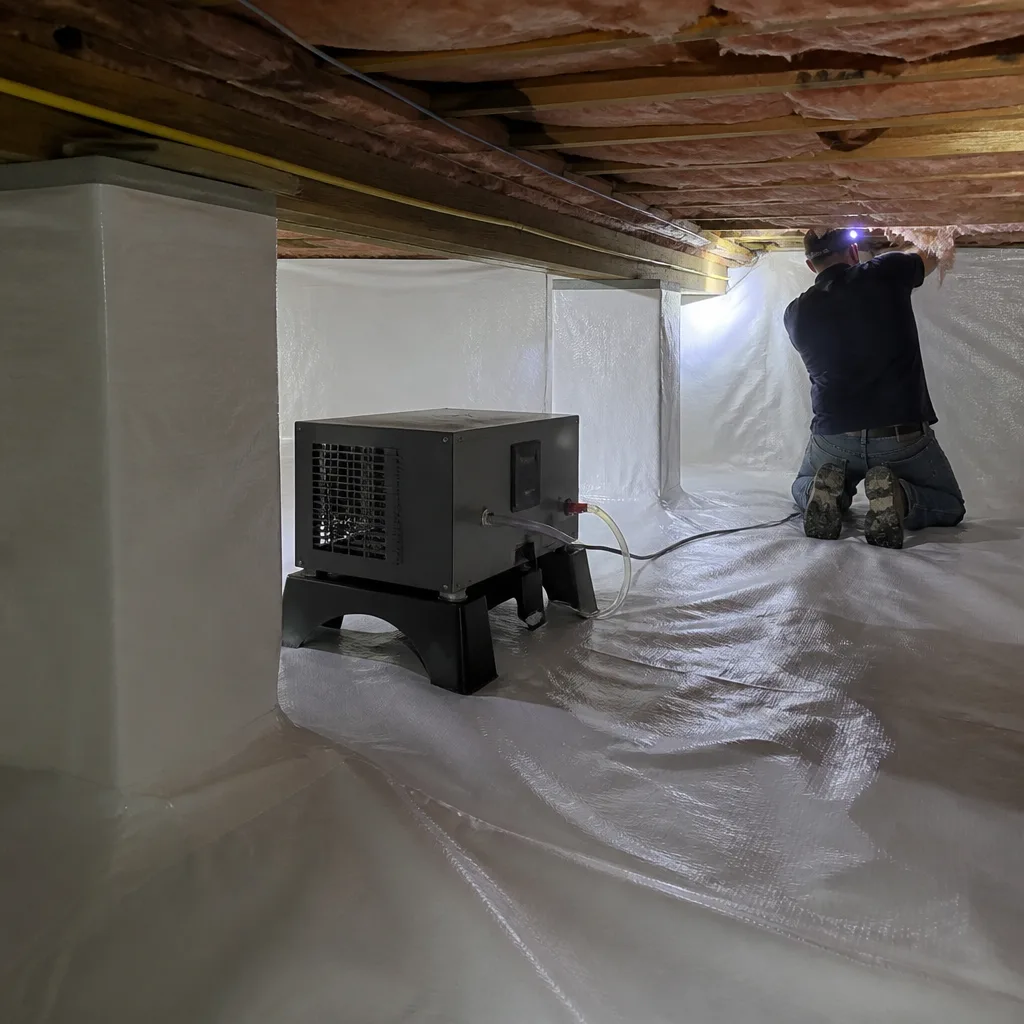
Our Knauf Crawl Space Encapsulation & Vapor Barrier Process
- 1
Call and scheduling. A live person answers (737) 227-6219. We book a 90-minute diagnostic window, and you’ll get a text when Wes is en route.
- 2
On-site assessment with documentation. We photograph every Knauf product in place, record moisture readings with a calibrated pinless meter at six locations, and run a blower-door test if the crawl space connects to conditioned space through floor penetrations. You get a printed photo record before we leave.
- 3
Written scope and price. Within 24 hours, a written price arrives with three options: minimum viable repair, standard encapsulation with vapor barrier, and full encapsulation with dehumidification. No work starts without your signature on scope and price - Haven Standard Clause 1.
- 4
Material sourcing and prep. We order Knauf materials through our regular distributor if the job specifies them, or source equivalent-performing products from Owens Corning, Johns Manville, or Reflectix if the Knauf line has been discontinued or lead times stretch past two weeks. We never lock you into a proprietary product.
- 5
Execution with photo record. Crews are background-checked and uniformed. Every step is photographed: pre-cleanout, moisture barrier seam welding, insulation installation, and final walk. Blower-door retest on jobs where air sealing was part of the scope.
- 6
Closeout with documentation. You receive a final packet: photo record, material specs, warranty registration (if Knauf product warranty applies), and our 365-Day Done Right Promise in writing. Seal the leaks first. Then insulate. The report tells you whether it worked.
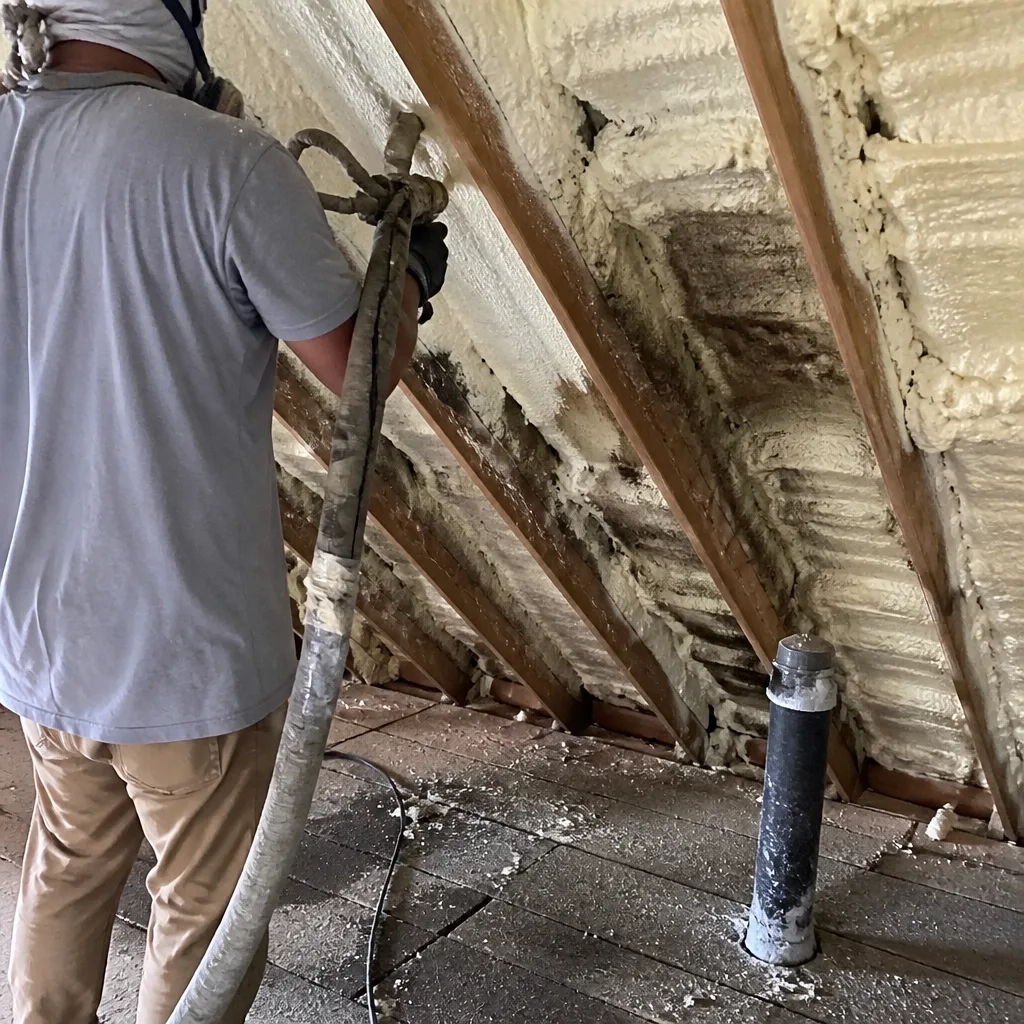 Before
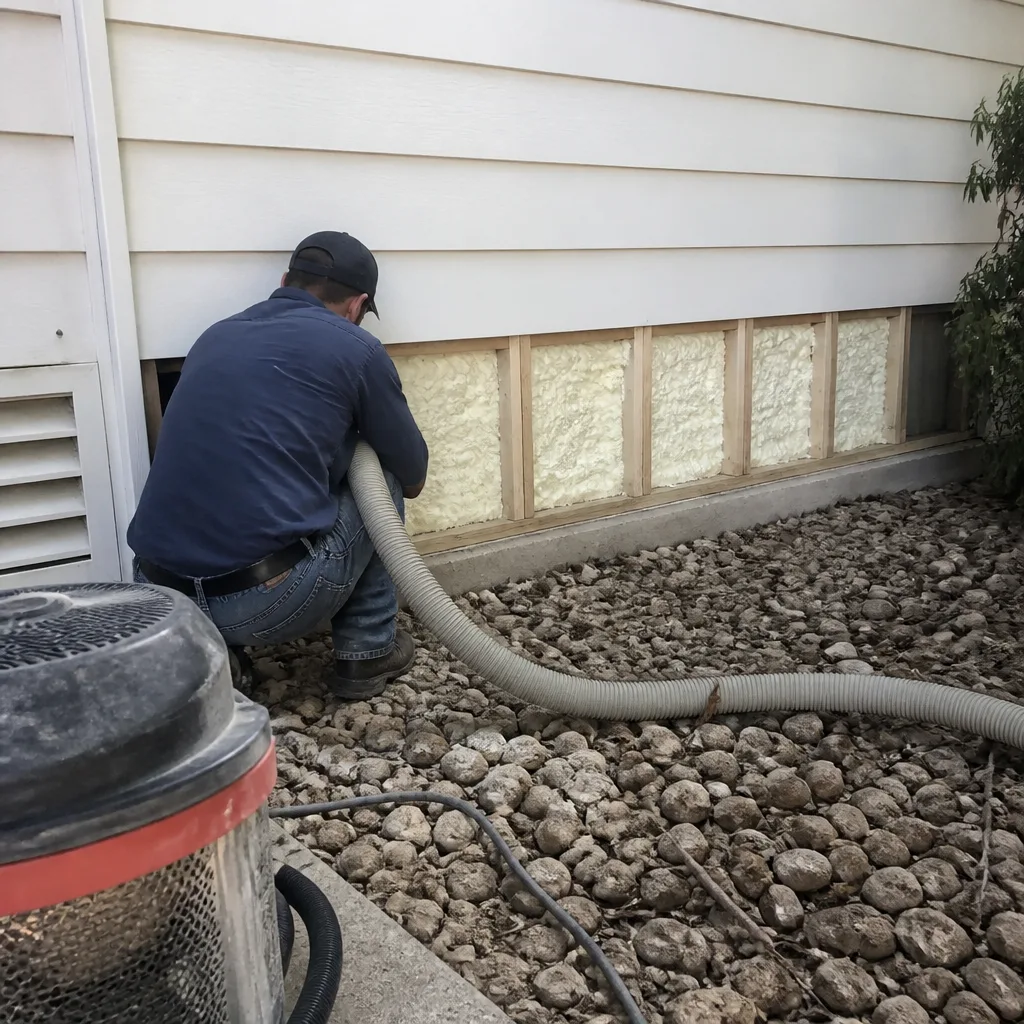 After
AfterWhat Knauf Crawl Space Encapsulation & Vapor Barrier Costs in Canyon Lake
These are real ranges from jobs we’ve completed in the Canyon Lake area, not teaser rates:
| Scenario | Typical Range | What Moves the Price |
|---|---|---|
| Vapor barrier only (10-mil poly, no insulation) | $2,800 - $4,500 | Square footage, pier-and-beam vs. block wall, existing debris removal |
| Full encapsulation with 20-mil reinforced barrier, seam sealing, new Knauf or equivalent insulation | $4,200 - $7,800 | Insulation type (fiberglass vs. spray foam), dehumidifier inclusion, access difficulty |
| Encapsulation with active dehumidification and sump pump | $6,500 - $11,000 | Groundwater conditions, electrical run distance, condensate pump vs. gravity drain |
| Knauf insulation removal and replacement after moisture damage | $1,800 - $3,400 | Contamination level (mold vs. rodent), disposal fees, accessibility |
Every estimate is free, every price is written before work starts, and we offer a Free Second Opinion on any written estimate you’ve already received. Call (737) 227-6219 to schedule.
Why Canyon Lake Homeowners Call Topside Attic Insulation Canyon Lake for Knauf Work
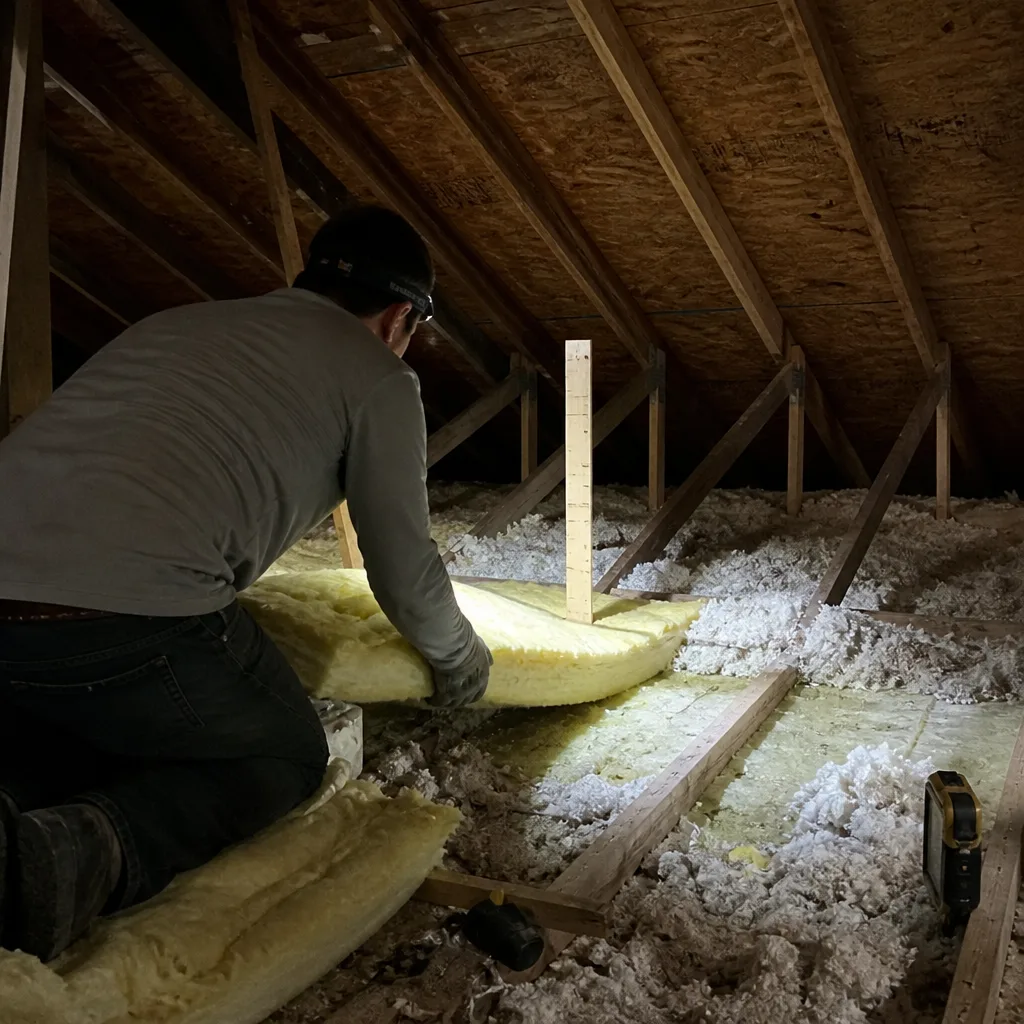
We’ve been in Canyon Lake homes where the previous contractor blew Insulsafe SP over standing water and called it done. We don’t do that. As an independent Knauf service provider - not affiliated with or authorized by Knauf - we evaluate what Knauf product you have, whether it can stay, and what needs to happen first so anything new doesn’t fail the same way.
Wes Okafor runs a blower-door test before quoting air-sealing work, and the crew documents every job with photos you keep. The 365-Day Done Right Promise means if a seam lifts or a dehumidifier drain backs up, we return and fix it. We also service Reflectix and other brands, so if your Knauf line has been discontinued or a different material solves your problem better, we’ll say so in writing.
FAQs
No - Knauf’s product warranty covers manufacturing defects, not who installed it or when. The warranty does require that installation follow Knauf’s published guidelines for density, coverage, and substrate preparation, which we follow and document. If a claim arises, you have our photo record and material spec sheet to support it. Call (737) 227-6219 if you want us to review your existing warranty paperwork during the estimate.
Standard Knauf fiberglass batts and blown products are typically available within three to five business days through our distributor. EcoSeal and other spray foam components require a two-week lead time in most cases. If your job is urgent and Knauf lead times don’t work, we stock equivalent-performing materials from Owens Corning and Johns Manville that we can substitute with your approval - documented in writing, per Haven Standard.
Repair is cheaper when the material is dry, uncompressed, and uncontaminated - typically 40% to 60% of replacement cost. We find that Knauf blown fiberglass in Canyon Lake crawl spaces is repairable about half the time if caught before two wet seasons pass. If there’s mold on the facing, rodent soiling, or compression from foot traffic during plumbing work, replacement is the only sound option. We’ll show you photos and give you both prices.
Most Canyon Lake crawl space encapsulations are scheduled within five to seven business days, with emergency moisture mitigation available within 48 hours if active water intrusion is threatening structural components. The written price comes before any work is confirmed, so there’s no pressure to decide on the spot. Call (737) 227-6219 to check current availability.
We publish blower-door results on any job where the crawl space communicates with conditioned space through floor penetrations - which is most of them in Canyon Lake’s pier-and-beam and raised-slab construction. The test measures CFM50 (cubic feet per minute at 50 Pascals of pressure) before and after we seal rim joists, plumbing penetrations, and duct boots. If your crawl space is fully outside the thermal envelope, we skip the blower door but still provide a photo record and moisture-logging data.
Written by Wes Okafor, Owner & Lead Insulation Technician, Topside Attic Insulation Canyon Lake at Topside Attic Insulation Canyon Lake, serving Canyon Lake and nearby areas.