
Rockwool Radiant Barrier Installation: The Canyon Lake Owner’s Guide
Rockwool radiant barrier installation in Canyon Lake typically runs $2,800-$4,200 for a 2,000-square-foot attic, and most jobs we can start within 48 hours. The Rockwool COMFORTBATT and AFB evo product lines pair with reflective foil barriers to block the radiant heat gain that drives summer cooling loads in Comal County homes. If your upstairs rooms won’t cool below 78°F by mid-afternoon despite the AC running nonstop, the roof deck is likely dumping heat faster than your insulation can absorb it.
We see this pattern constantly on homes near the Cranes Mill Road corridor and the Canyon Lake Hills subdivision. The combination of Texas solar load and attic temperatures pushing 140°F overwhelms standard insulation alone. Rockwool’s mineral wool handles that heat without sagging or degrading, but only when the radiant barrier layer above it is properly specified and sealed. Wes Okafor and our crew have retrofitted dozens of these attics, and the ones that perform best share one trait: the air sealing was done before the barrier went up, not after.
Which Rockwool Models This Applies To
Rockwool COMFORTBATT R-30 and R-38 batts are the most common base insulation we see in Canyon Lake attics built between 2015 and 2022. These pair with either a perforated radiant barrier foil draped over the rafters or a radiant barrier sheathing applied directly to the roof deck during re-roofing. The COMFORTBATT product line uses a flexible edge that compresses to fit standard Texas framing - 16-inch or 24-inch on center - without leaving the gaps that let heat bypass the insulation layer.
For commercial or multifamily work, Rockwool AFB evo (Acoustical Fire Batt) sometimes gets specified where fire resistance ratings meet energy code. The radiant barrier integration differs here: AFB evo is denser, so the foil layer must be mechanically fastened with cap nails rather than staple-shot, or it’ll delaminate within two seasons.
Identification is straightforward. Check the batt facing for a printed code: COMFORTBATT shows “RXCB” followed by the R-value; AFB evo shows “AFB” and a density rating. If you’re staring at yellow-tinted mineral wool with no label, it’s likely an older Rockwool Cavityrock or a competitor’s product. We stock COMFORTBATT R-30 and R-38 on every Canyon Lake truck, plus the perforated foil and proper fasteners. Aftermarket radiant barrier material runs thinner and less reflective than the OEM-spec product Rockwool tests against - we use only ASTM C1313-compliant foil with an emissivity rating of 0.05 or lower. The cheap stuff from big-box stores often reads 0.15 or higher, which cuts performance by half.
Signs Your Rockwool Radiant Barrier Installation Is Failing
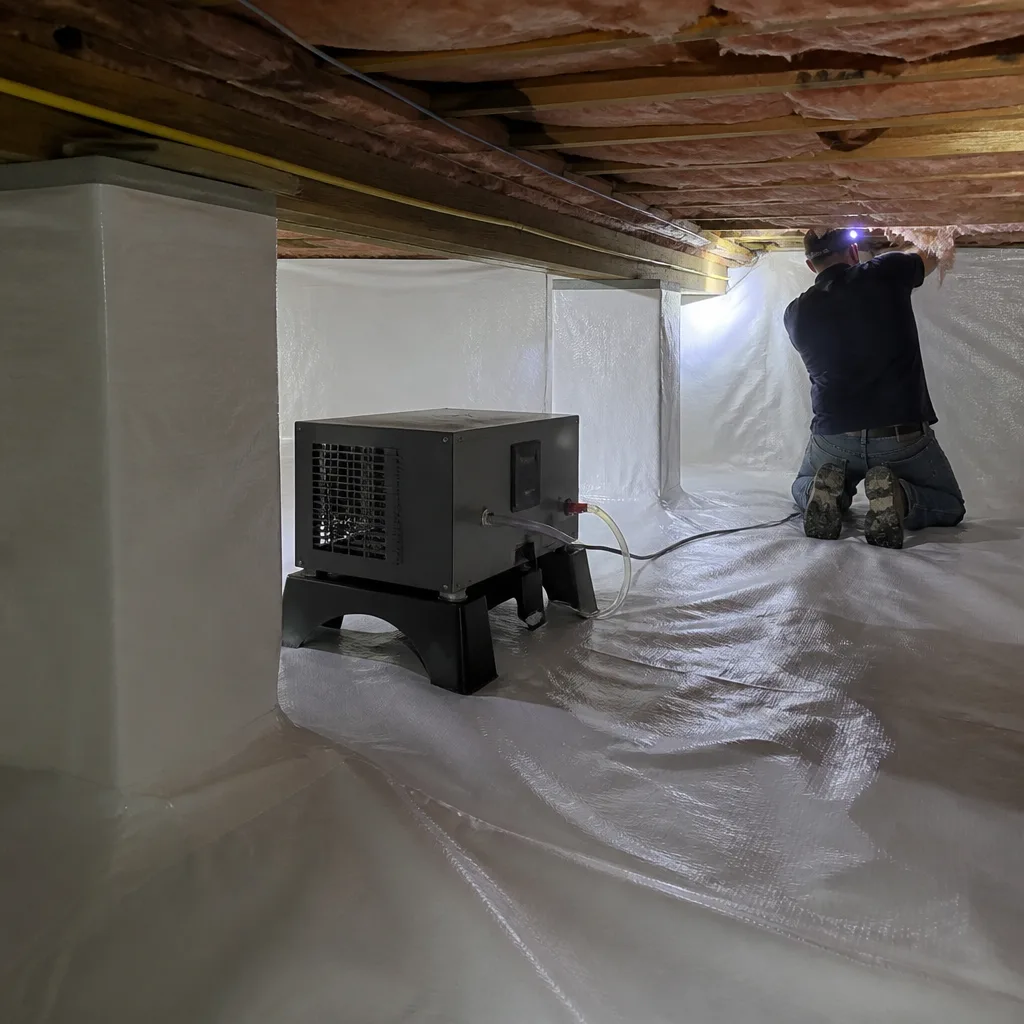
- Upstairs rooms peak 8-12°F hotter than downstairs by 4 PM. This temperature split means radiant heat is penetrating the roof deck and overwhelming your Rockwool’s conductive resistance. In Canyon Lake, we measure this with an infrared camera; the ceiling drywall shows a striped hot pattern where rafters conduct heat through compromised barrier sections.
- Your AC runs continuously from 2 PM to sunset without cycling. The system is fighting a heat load the radiant barrier was supposed to block. When we blower-door test these homes, we often find the barrier was installed over unsealed can lights and top plates, so conditioned air escapes while radiant heat enters - a double loss.
- Rockwool batts have slid off rafters or compressed below labeled thickness. Mineral wool doesn’t settle like fiberglass, but improper fastening or foot traffic during installation can displace it. Once the batt loses contact with the drywall ceiling, an air gap forms that lets convective heat loop around the insulation.
- Water stains appear on the radiant barrier foil surface. This indicates a roof leak or, more commonly, condensation from interior moisture hitting the cold foil. Rockwool is hydrophobic and won’t mold, but the surrounding framing will. We see this on homes near the lake where humidity runs higher and bathroom vents terminate in the attic.
- Energy bills spike June through September with no rate increase. A failed radiant barrier can raise cooling costs 25-40% in a Canyon Lake summer. We pull 12 months of usage data on every audit; the July kWh curve tells the story before we ever enter the attic.
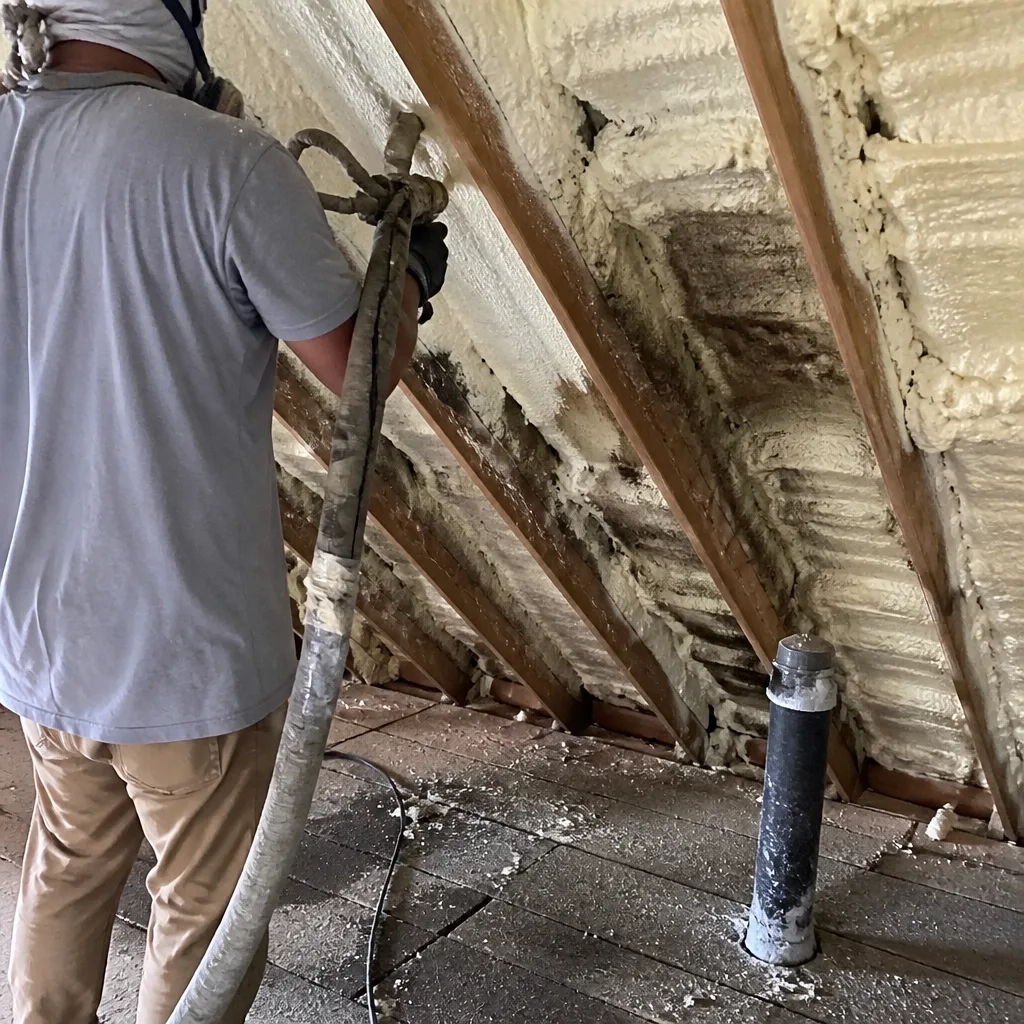 Before
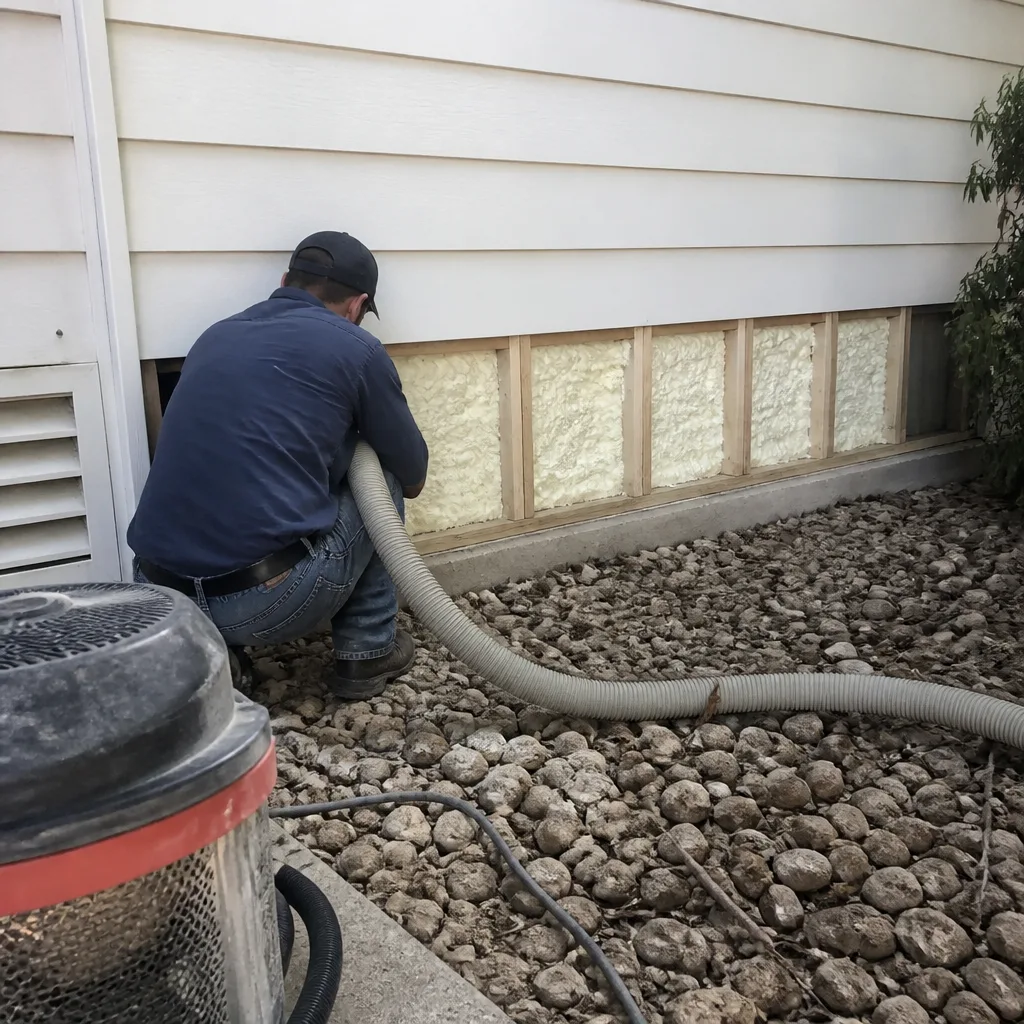 After
AfterReplacement Cost & What’s Included
Most Rockwool radiant barrier installations in Canyon Lake fall between $2,800 and $4,200 for attics in the 1,800-2,500 square foot range. The lower end covers COMFORTBATT R-30 with perforated radiant barrier foil over an already-sealed attic floor. The upper end includes R-38, full air sealing of top plates and penetrations, and radiant barrier sheathing if we’re working during a re-roof.
| Component | Price Range |
|---|---|
| Air sealing (top plates, can lights, penetrations) | $600-$950 |
| Rockwool COMFORTBATT R-30 (installed) | $1.40-$1.80/sq ft |
| Rockwool COMFORTBATT R-38 (installed) | $1.70-$2.20/sq ft |
| Perforated radiant barrier foil | $0.45-$0.65/sq ft |
| Radiant barrier sheathing (re-roof only) | $1.20-$1.60/sq ft |
What drives the range: attic accessibility (scissor trusses add labor), existing insulation removal if needed, and whether the roof deck needs repair before barrier installation. Every job gets a Written Price Before Any Work Starts under Haven Standard Clause 1 - flat price, written scope, written warranty before anyone lifts a tool. The 365-Day Done Right Promise covers all completed work. We also publish before-and-after blower-door numbers on every applicable job so you can verify the air-sealing result in a single figure.
DIY or Call Us?
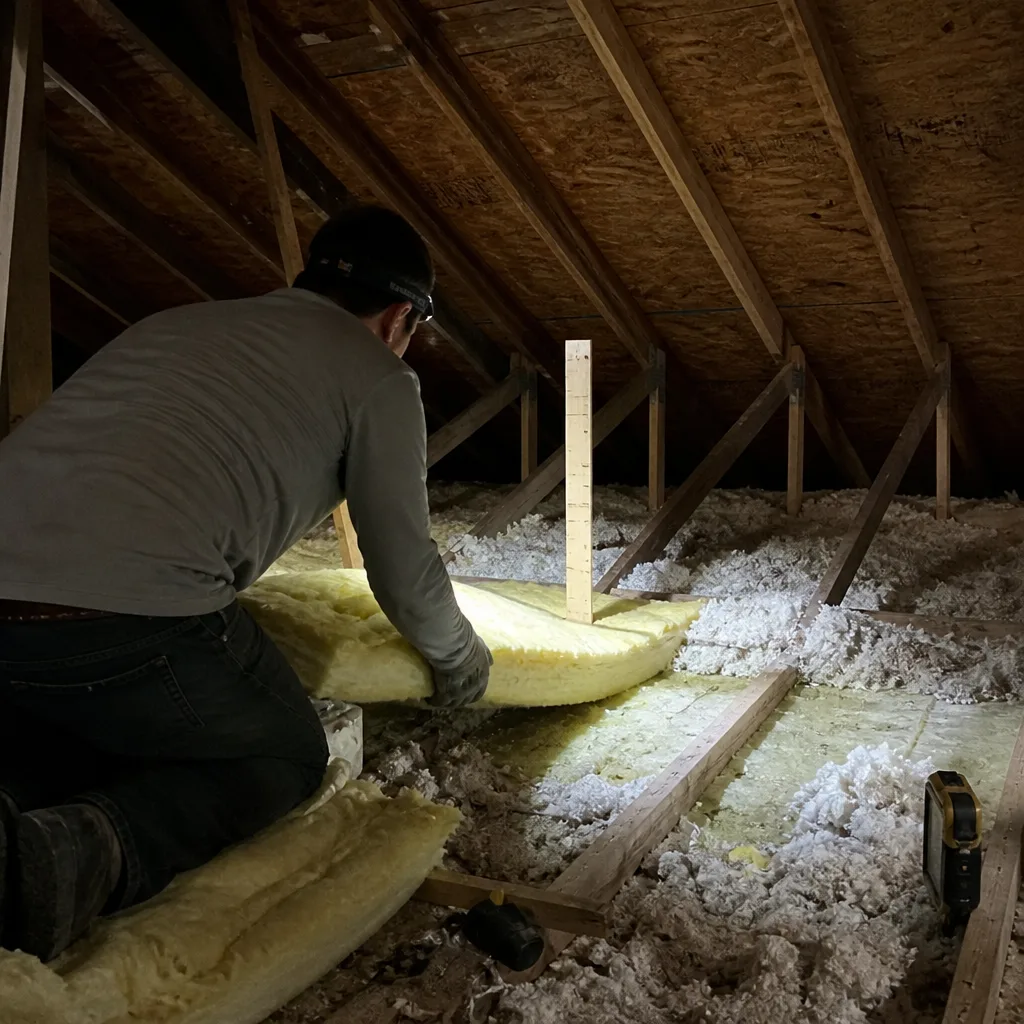
There’s a safe middle ground here, and then there’s the point where DIY quits making sense. A homeowner can check attic hatch weatherstripping, confirm bathroom vents exhaust outside (not into the attic), and verify the Rockwool batts still fill the cavity depth without gaps. Use a yardstick, not eyeballing. Take photos of any discolored or displaced sections.
Where DIY goes wrong: installing radiant barrier foil without sealing air leaks first creates a convection oven effect that traps moisture and worsens performance. Working on rafters near active electrical without arc-fault protection risks contact with 120V or 240V lines. And stepping between joists instead of on them punches ceiling drywall - we’ve repaired that mistake more than once in Canyon Lake homes.
Rockwool mineral wool is safe to handle without respirators (unlike fiberglass), but the foil fastening and air-sealing detail work determine whether the system performs or fails. If your blower-door number is unknown, you don’t know what you’re insulating over. Seal the leaks first. Then insulate. The report tells you whether it worked. Call (737) 227-6219 for a free estimate - we’ll run the diagnostic and give you a written price before any work starts.
FAQs
Properly installed, Rockwool mineral wool itself lasts the life of the structure - it doesn’t degrade, settle, or absorb moisture. The radiant barrier foil typically maintains performance for 15-25 years depending on attic ventilation quality and whether it was perforated (perforated resists moisture buildup but faces slightly faster oxidation). In Canyon Lake’s heat and humidity, we inspect foil condition at year 10 and recommend replacement if emissivity readings exceed 0.10. Call (737) 227-6219 to schedule an attic assessment - estimates are free.
Localized tears or detached sections can be patched with matching foil tape if the surrounding material is intact. However, if the barrier was installed before 2015, it’s likely the older non-perforated type that traps moisture, or the emissivity has degraded beyond useful range. We don’t patch over systemic failure - the labor cost approaches replacement with inferior results. For a Canyon Lake home with original builder-grade radiant barrier, full replacement with current-spec perforated foil pays back faster. Call (737) 227-6219 for an exact quote - estimates are free.
Most residential Rockwool radiant barrier installations in Canyon Lake complete in one to two working days. Day one covers air sealing and blower-door verification; day two installs the Rockwool and radiant barrier if we’re doing full R-value upgrade. Attic-only barrier retrofits over existing insulation can finish in a single day. We don’t quote time without seeing access conditions - scissor trusses or built-up existing insulation add hours. Call (737) 227-6219 to schedule - we’ll give you a written timeline with your written price.
Yes. We carry COMFORTBATT R-30 and R-38, perforated radiant barrier foil rated at 0.05 emissivity, and the cap nails and fasteners specific to Rockwool’s density profile. We also stock Reflectix products for homeowners who prefer that brand’s tape-seaming system. Materials are sourced through standard distribution channels - Topside Attic Insulation Canyon Lake is an independent service provider, not affiliated with Rockwool - and we pull from multiple suppliers to avoid delay. Call (737) 227-6219; if your attic configuration is unusual, we’ll verify stock before scheduling.
Written by Wes Okafor, Owner & Lead Insulation Technician, Topside Attic Insulation Canyon Lake at Topside Attic Insulation Canyon Lake, serving Canyon Lake and nearby areas.