
CertainTeed Crawl Space Encapsulation: The Canyon Lake Owner’s Guide
Most CertainTeed crawl space encapsulation replacements we install in Canyon Lake run between $2,800 and $5,400 for a complete system, and we can usually get to you same-day if you call before noon. We stock CertainTeed-compatible vapor barriers, seam tapes, and mechanical fasteners on every truck, plus we carry Reflectix products for hybrid systems where radiant barrier integration makes sense. You’ll know the encapsulation is failing when you start smelling musty air inside the house even with the AC running, or when your dehumidifier in the crawl space never seems to catch up.
Which CertainTeed Models This Applies To
CertainTeed doesn’t sell a single “encapsulation kit” with one part number. Instead, they produce membrane rolls under the CertainTeed MemBrain and SmartVapor lines, plus the FortiCel mold-resistant treatment system that gets paired with encapsulation in new construction. The membrane itself is usually a 6-mil or 10-mil reinforced polyethylene, and the critical match is the width - 10-foot, 12-foot, or 16-foot rolls - because seams are your failure point.
To identify what you’ve got, look for the printed lot number along the membrane edge. It’ll read something like CT-6R-10×100 for a 6-mil reinforced 10-foot roll. If that print has worn off (common in Canyon Lake crawl spaces where seasonal groundwater keeps humidity above 70% for months), measure the thickness with a micrometer - anything under 5.5 mils after five years of Texas heat cycling is below spec and should be replaced, not patched.
We install OEM CertainTeed membrane where it makes sense, but we also stock a commercial-grade 12-mil cross-laminated polyethylene that outperforms the standard 6-mil in our local clay-heavy soils. The aftermarket decision usually comes down to whether your original install included a dehumidifier drain line - if it did, the thicker membrane handles the traffic during maintenance visits better.
Signs Your CertainTeed Crawl Space Encapsulation Is Failing
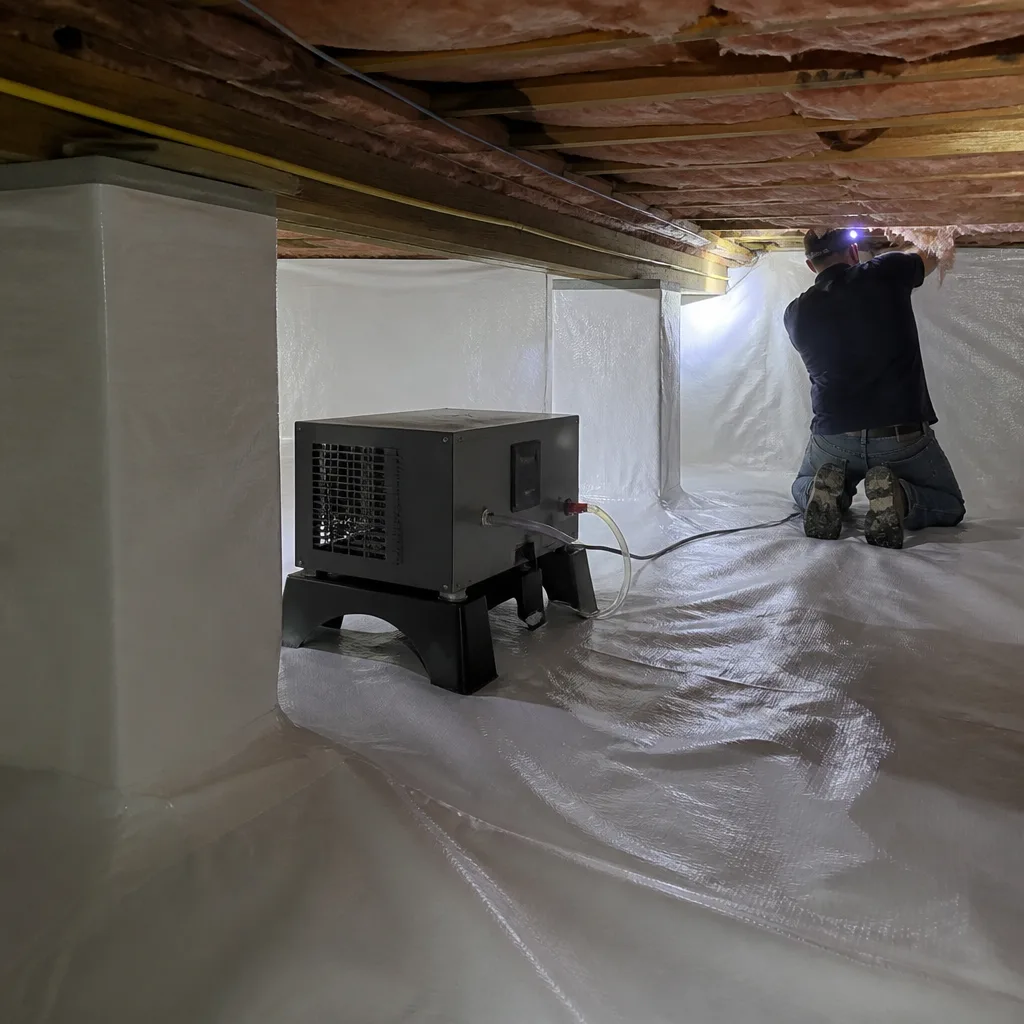
- Musty odors rising into living spaces. When the vapor barrier develops punctures or seam separation, ground moisture evaporates directly into the crawl space air. Your HVAC return ducts pull that air upstairs. In Canyon Lake, we see this most often on homes near the lake itself where the water table sits higher and hydrostatic pressure pushes moisture through gaps faster.
- Condensation on ductwork or floor joists. This means the relative humidity in the crawl space has climbed above 65%, which happens when the encapsulation membrane loses its seal or the dehumidifier can’t keep up. The wood moisture content rises, and that’s when mold spores that have been dormant since installation wake up.
- Soft or sagging spots in the membrane. These are usually where the original installer walked during placement, or where stored items have abraded the surface. A 6-mil membrane in a crawl space with gravel or sharp clay will puncture under foot traffic; we see this on about one in three Canyon Lake retrofits we inspect.
- Peeling seam tape at piers or foundation walls. CertainTeed’s pressure-sensitive tape fails when applied over dusty concrete or when the substrate temperature was below 50°F during original install. Canyon Lake winters do drop that low, and we’ve found cold-weather tape failures on homes built between 2015 and 2019.
- Increased energy bills with no HVAC explanation. Wet insulation above the crawl space loses R-value fast. If your encapsulation is compromised, the fiberglass batts between joists absorb moisture and collapse. Your AC runs longer to compensate, and the blower-door reading we take before any repair will show elevated leakage at the floor plane.
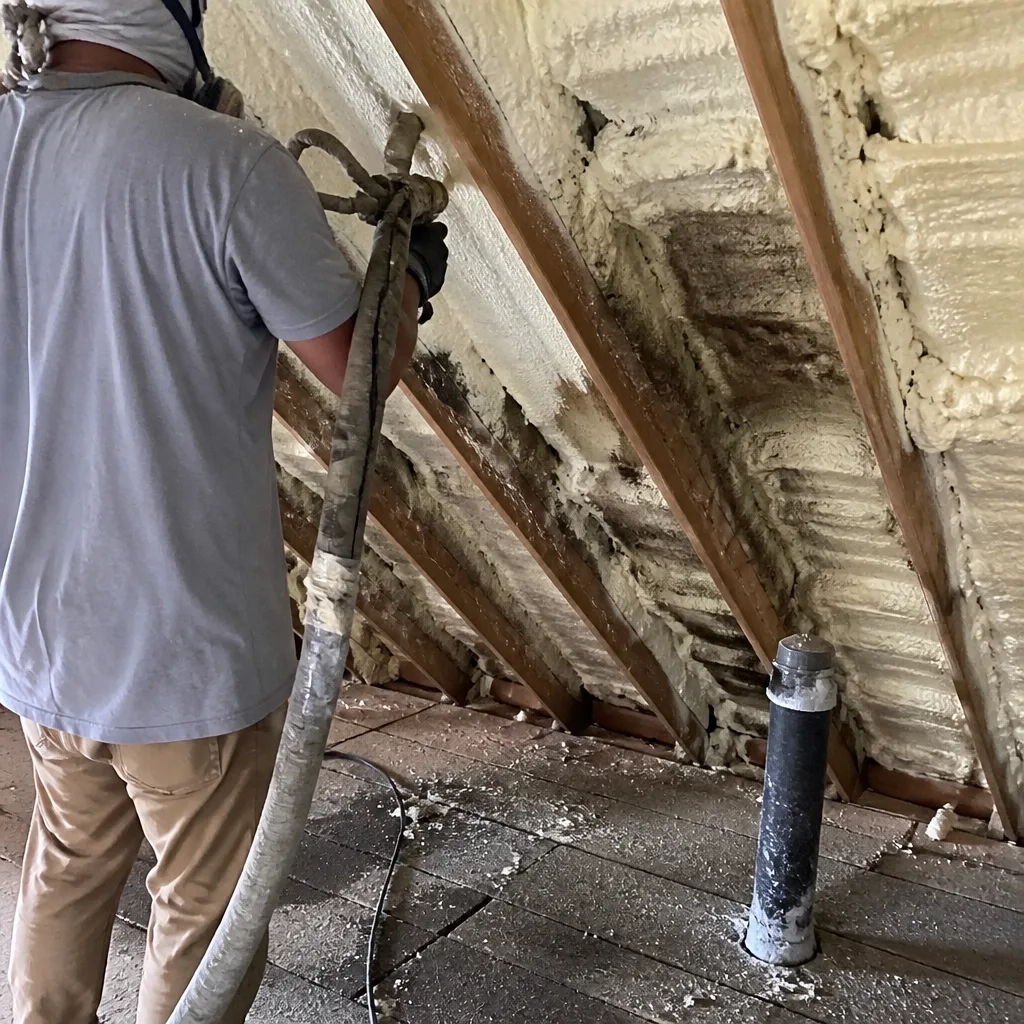 Before
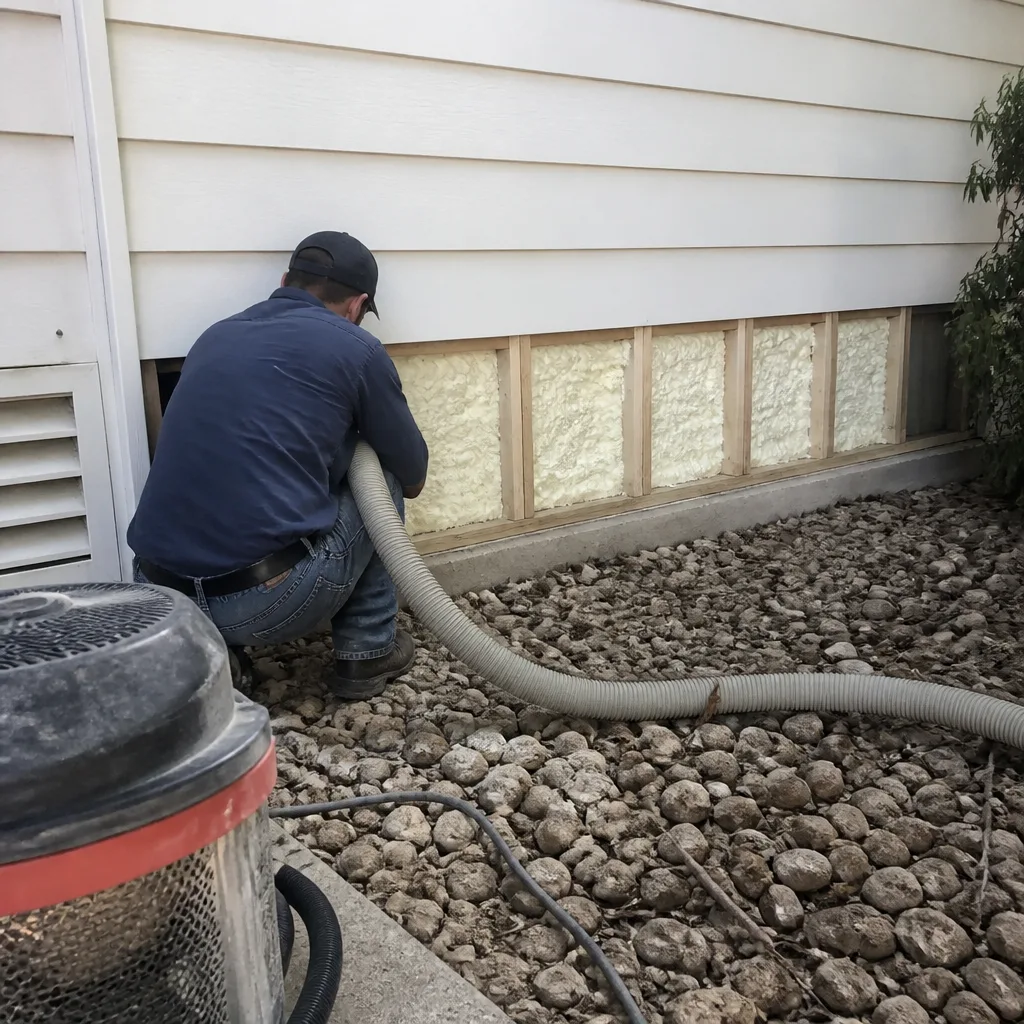 After
AfterReplacement Cost & What’s Included
Here’s how pricing breaks down for a typical Canyon Lake crawl space in the 1,200 to 2,400 square foot range:
| Component | Price Range |
|---|---|
| 6-mil reinforced membrane (OEM CertainTeed) | $1.20-$1.60/sq ft installed |
| 12-mil cross-laminated upgrade | $1.60-$2.10/sq ft installed |
| Seam tape and mechanical fastening | $280-$420 |
| Pier wrapping and detail work | $340-$580 |
| Dehumidifier drain line inspection/repair | $180-$290 |
| Full system, typical total | $2,800-$5,400 |
What drives the range: crawl space height (anything under 18 inches requires different prep), number of piers to wrap, whether we need to remove and dispose of the old membrane, and if the foundation walls need cleaning before new tape will bond. We give you a written price before any work starts, always - Haven Standard Clause 1 - and that price includes a Documented Photo Record of every stage. The 365-Day Done Right Promise covers our installation workmanship; membrane material defects carry the manufacturer’s warranty, which we register for you.
DIY or Call Us?
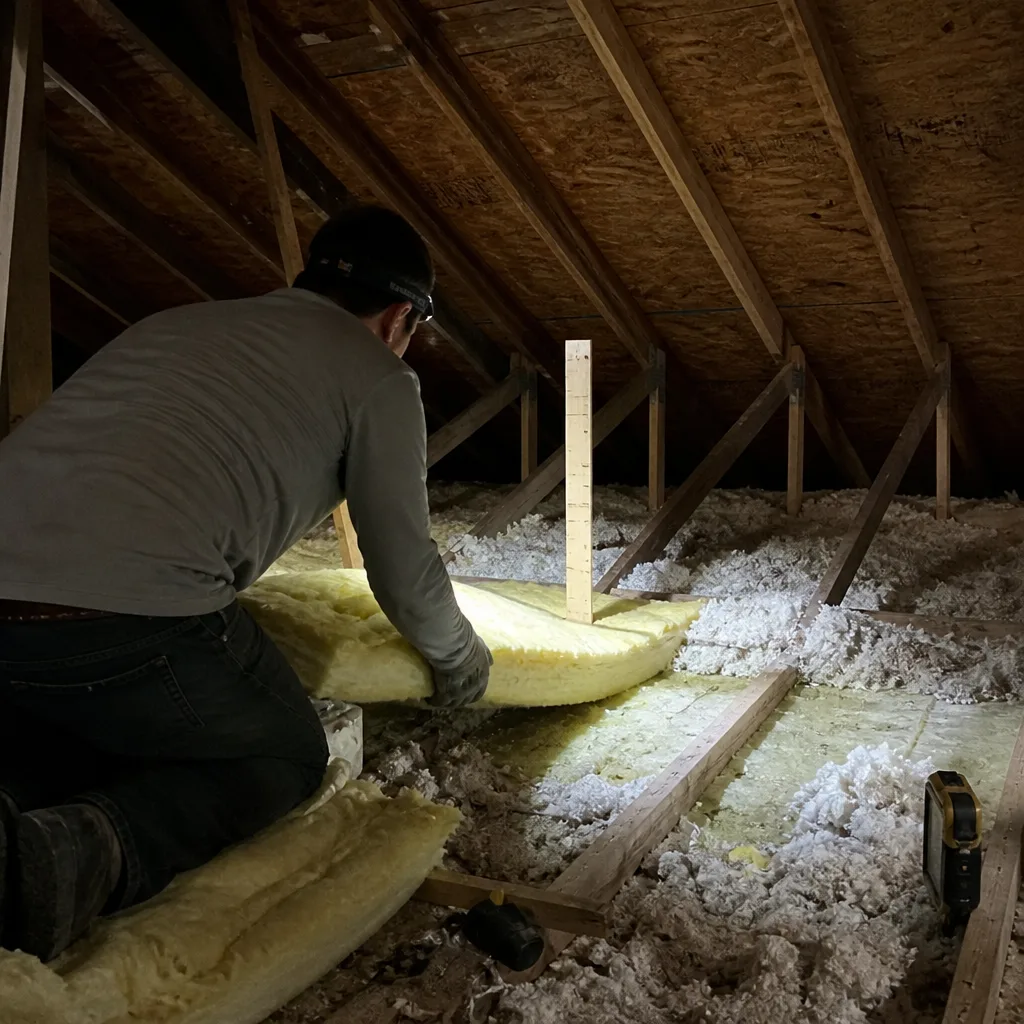
There’s no high-tension danger in crawl space encapsulation like you’d find with garage door springs or gas lines, but there is a real quality-of-failure issue that costs more to fix later than to do right now. An owner can safely check: whether the dehumidifier is running and draining, whether visible seams are lifting, and whether any new plumbing leaks are saturating the membrane. Use a flashlight, not your hands - rodent activity in Canyon Lake crawl spaces is common, and you don’t want to find that the hard way.
Where DIY goes wrong: surface prep. Tape won’t bond to dusty concrete or damp polyethylene, and the overlap pattern at piers and corners determines whether you’ll be calling us in two years anyway. We also run a blower-door test before and after - a pressurization diagnostic that shows, in one number, how much air your building envelope is losing - because encapsulation that doesn’t connect to the overall air barrier is just a pool liner on your dirt floor. Seal the leaks first. Then insulate. The report tells you whether it worked.
Call (737) 227-6219 and we’ll read your situation with you. Estimates are free, and we stock the truck for same-day replacement when the schedule allows.
FAQs
In our local climate, a properly installed 6-mil membrane lasts 10 to 15 years before degradation from UV exposure at foundation vents and thermal cycling becomes significant. The 12-mil upgrade we often recommend pushes that to 18 to 22 years. Canyon Lake’s combination of high summer humidity and occasional hard freezes accelerates tape adhesive fatigue, which is why we inspect seam integrity at year five on every install we’ve done. Call (737) 227-6219 to schedule a look - estimates are free.
Patching works for isolated punctures smaller than a quarter, using compatible polyethylene tape on clean, dry surfaces. But if you’re seeing multiple soft spots, seam lifting, or any mold on the joist bays, partial repair is usually false economy - the new tape doesn’t bond well to aged membrane, and you’ll be chasing leaks. We offer free second opinions on any written estimate if another contractor told you full replacement is necessary; we’ll read it with you and show you exactly what we find.
Most Canyon Lake crawl spaces run one to two days: half a day for removal and surface prep, half a day for membrane placement and detail work, plus cure time for tape adhesives before we return the dehumidifier to service. Tight crawl spaces under 24 inches add time because we work on backboards and move slower. We text you when the crew is on the way, and you get a named technician - Haven Standard: Arrive on schedule.
We carry CertainTeed-compatible 6-mil and 10-mil membrane rolls, pressure-sensitive seam tape, mechanical fasteners for masonry and wood, and pier wrap detail material on every vehicle. For Reflectix hybrid systems or CertainTeed FortiCel treatments, we may need a next-morning pull from our supplier, but that’s rare - we plan stock around Canyon Lake’s common foundation types. Same-day replacement is standard if you call before noon and the crawl space is accessible.
Written by Wes Okafor, Owner & Lead Insulation Technician, Topside Attic Insulation Canyon Lake at Topside Attic Insulation Canyon Lake, serving Canyon Lake and nearby areas.