
Attic Batt Insulation in Canyon Lake, TX
Attic batt insulation installs pre-cut fiberglass or mineral wool panels between your attic joists to slow heat transfer through the ceiling. In Canyon Lake homes – where summer attic temperatures regularly push past 140°F and humidity swings between the lake and the Hill Country affect how insulation performs over time – batt insulation is a reliable, cost-visible solution when the air sealing work is done first. If you’re weighing options, our full Attic Insulation in Canyon Lake page covers every method side by side.
At Topside Attic Insulation services in Canyon Lake, we’re part of Envelope Insulation Co., independently owned and operated under The Haven Standard since 2016. Wes Okafor leads every project with a written price before any work starts and a documented photo record when the crew leaves. Call us at (737) 227-6219 to get a flat-price estimate – no callbacks measured in business days, and a live person picks up around the clock.
One thing that separates us from most insulation contractors in Canyon Lake: we treat air sealing as a hard prerequisite, not an optional add-on. The top plates, can lights, and every penetration through the attic floor get sealed before a single batt goes in. Skipping that step is the single most common reason an attic insulation job underperforms, and we won’t do it.
When You Need Attic Batt Insulation
Not every Canyon Lake home needs batt insulation, but several situations point directly to it. Here’s what we see most often:
- Existing batts that are compressed, water-stained, or missing entirely. Older homes near the lake sometimes show fiberglass batts that have absorbed moisture and settled flat against the drywall ceiling below – at that point they’re doing almost nothing. R-value (the measure of how well insulation resists heat flow) drops sharply when batts are compressed even 10-15%.
- A finished attic conversion with open joist bays. When a previous owner partially finished attic space in your Canyon Lake home and left exposed framing bays, standard batt panels fit the cavity cleanly without requiring blown-in equipment in a tight space.
- Hot second floors during summer. If the rooms directly under the roofline in your Canyon Lake home run noticeably hotter than the rest of the house from May through September, inadequate attic insulation – or missing batts – is one of the first things to check.
- High energy bills relative to home size. We’ve seen Canyon Lake homes under 2,000 square feet running HVAC bills that belong on a 3,500-square-foot house. When a blower-door test and attic inspection confirm thin or absent insulation, batt replacement typically closes most of that gap.
- Rodent or pest damage to existing insulation. Canyon Lake’s proximity to natural areas means wildlife intrusion is a real issue. Once insulation is compromised by nesting activity, the material needs to come out before any new insulation goes in – and batts make the replacement clean and auditable.
- New construction or addition with open framing. If you’re finishing an addition or accessory dwelling unit in Canyon Lake and the framing is exposed, batt insulation is one of the most cost-controlled ways to hit your required R-value (Texas Energy Code requires R-38 minimum in most attic assemblies in this climate zone).
Our Attic Batt Insulation Process
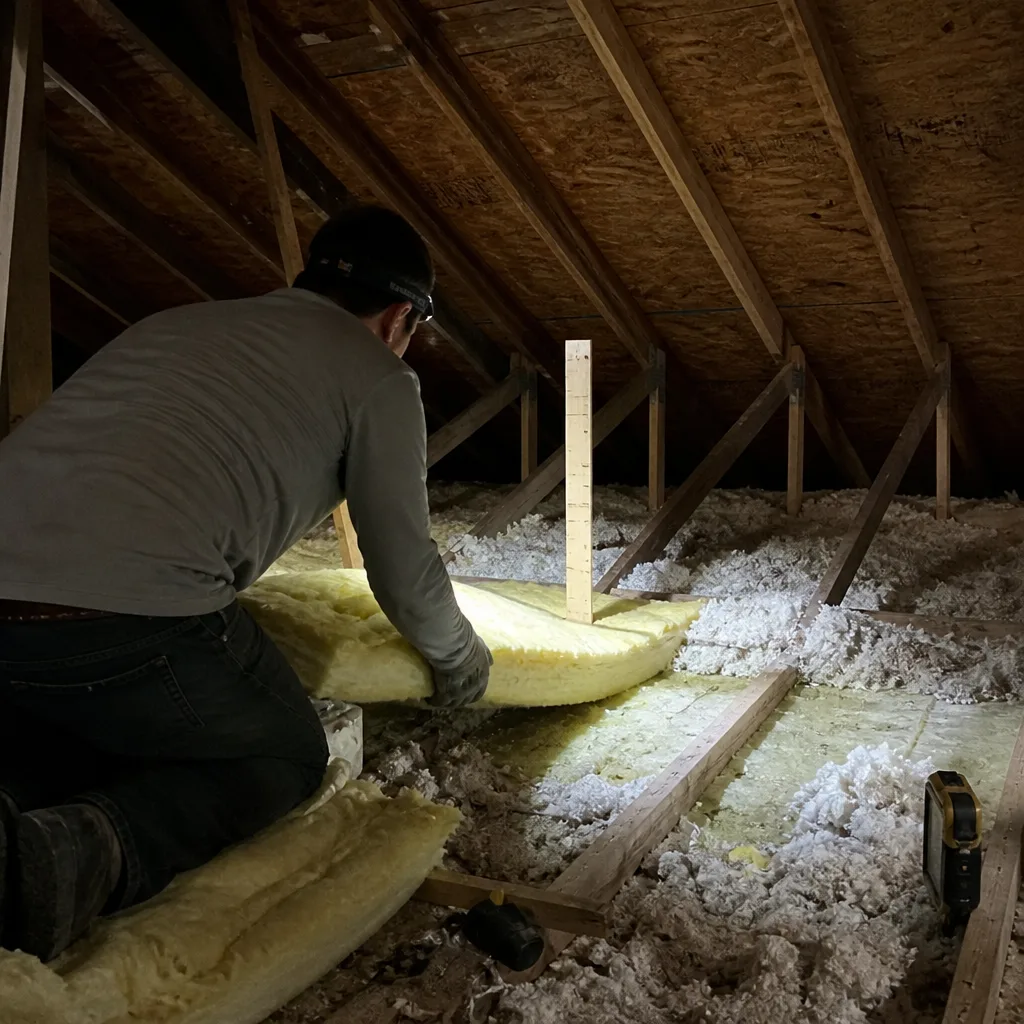
Every attic batt job follows the same sequence. The order matters – cutting corners on steps 1 and 2 is why most attic insulation jobs fail to deliver on paper.
- Attic inspection and blower-door baseline. Before we price anything, we walk the attic and run a blower-door test – a pressurization reading that shows, in one number, how much conditioned air your building envelope is currently losing. That reading becomes part of your written record. We note existing R-values, spot moisture staining, flag any pest evidence, and photograph every section. You receive the full photo record whether or not you proceed.
- Air sealing – sealed first, then insulated. This is non-negotiable under The Haven Standard. We seal top plates (the framing members at the top of your walls where they meet the attic floor), recessed can lights, plumbing and electrical penetrations, and any HVAC boot gaps before a single batt is touched. In Canyon Lake homes built before 2005, these gaps are almost always present and often account for more energy loss than the insulation itself.
- Removal of damaged or compromised material. If existing batts are wet, flattened, or pest-damaged, they come out. We don’t insulate over a problem. Material is bagged and removed from the property.
- Batt installation to specified R-value. We cut and fit batts – typically Owens Corning or Johns Manville fiberglass, or Rockwool mineral wool where moisture resistance is a priority – to fill each joist bay without compression or gaps. Voids and compression are the two failure modes we document against. Every bay gets checked before we move to the next section.
- Post-install blower-door reading. Once the work is complete, we run a second blower-door test and compare it to the baseline from step one. On applicable jobs, both numbers go into your written record so you can see the actual performance change – not an estimate of it.
- Final walkthrough and written documentation. You receive a documented photo record, the before-and-after blower-door readings, the written scope, and the written warranty before we leave. The 365-Day Done Right Promise applies from the day the job closes: if it’s not done right, we make it right.
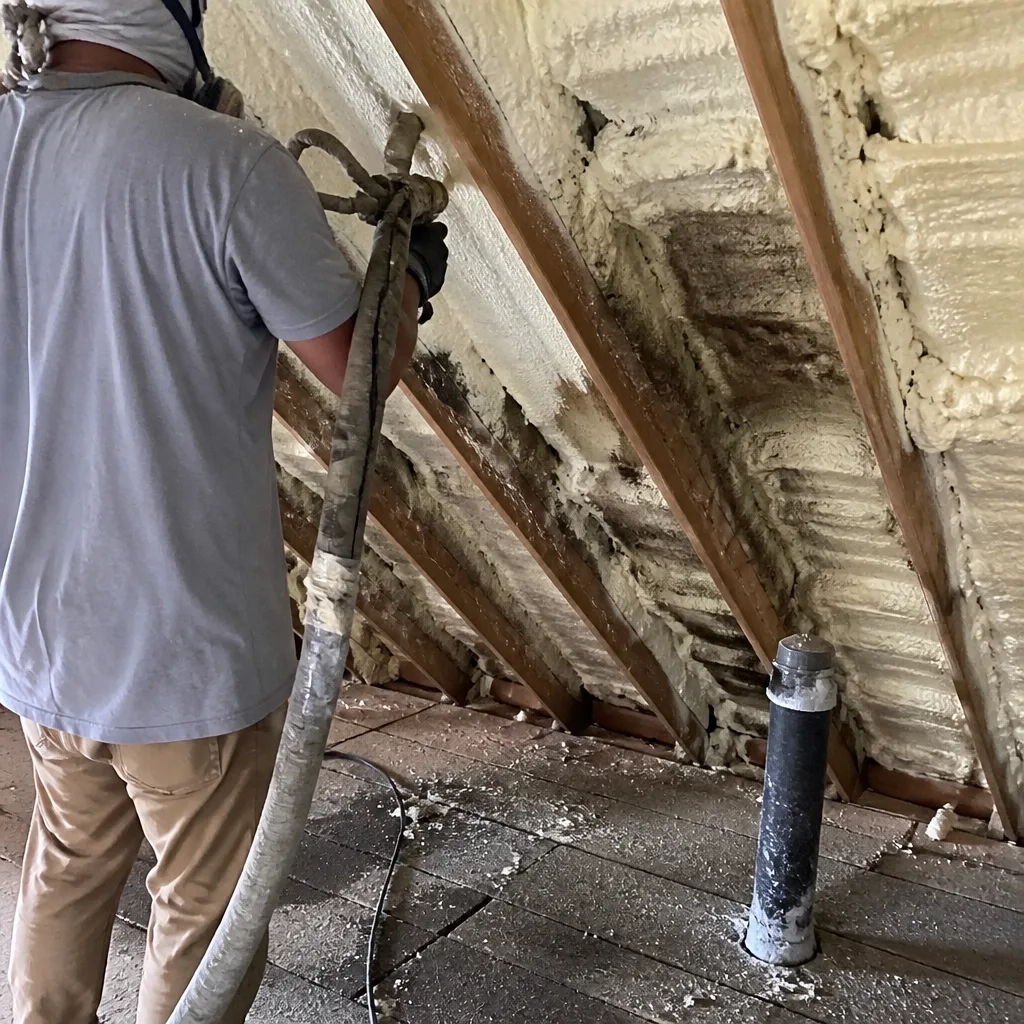 Before
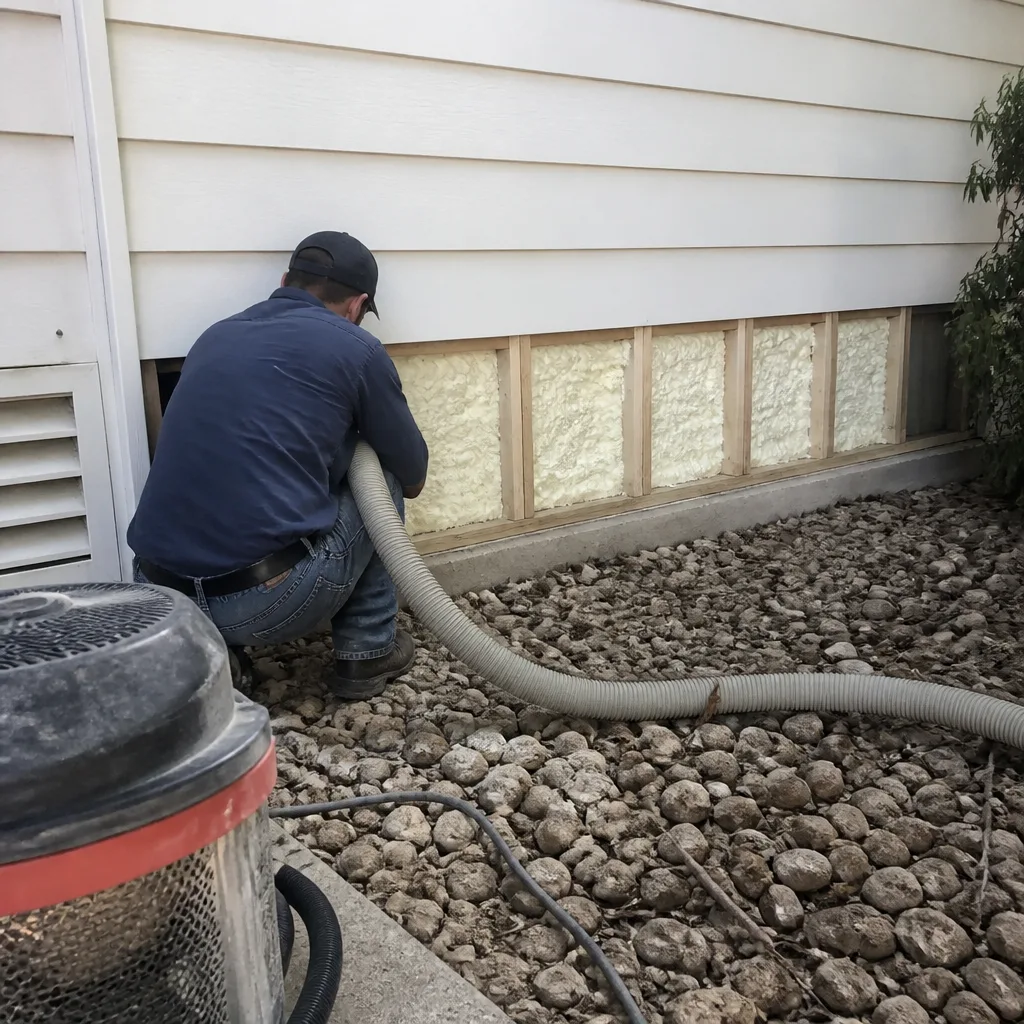 After
AfterAttic Batt Insulation Pricing in Canyon Lake
Most attic batt insulation jobs in Canyon Lake run between $1.25 and $2.40 per square foot installed, depending on the factors below-see our How Much Does Attic Insulation Cost? (2026 Price Guide) - Canyon Lake, TX for more detail. For a typical 1,500-square-foot attic footprint – common in the Canyon Lake area’s ranch-style and Hill Country homes – that puts the total range at roughly $1,875 to $3,600. Jobs requiring full removal of existing material, extensive air sealing, or mineral wool product (versus standard fiberglass) sit toward the higher end.
| Cost Factor | Typical Impact |
|---|---|
| Attic square footage | Primary driver – larger footprint, higher total |
| Target R-value (R-30, R-38, R-49) | Higher R-value requires thicker batt layers; adds material cost |
| Existing insulation removal | Adds $0.35-$0.65/sq ft depending on material and depth |
| Air sealing scope | Older Canyon Lake homes often need more penetration work; priced per job |
| Material type (fiberglass vs. mineral wool) | Mineral wool (e.g., Rockwool) runs 15-25% higher than comparable fiberglass |
| Attic accessibility | Low-clearance or heavily obstructed attics add labor time |
Under Haven Standard Clause 1, you get a flat written price before any work starts. No estimate that turns into a surprise invoice. If you have a written quote from another contractor, bring it to us – we offer a free second opinion on any written estimate and will read through it with you line by line.
Call (737) 227-6219 to schedule your free estimate for Attic Insulation Near Me in Canyon Lake, TX. We’ll give you a written price and a scope of work the same day we inspect.
Why the Air Sealing Step Isn’t Optional
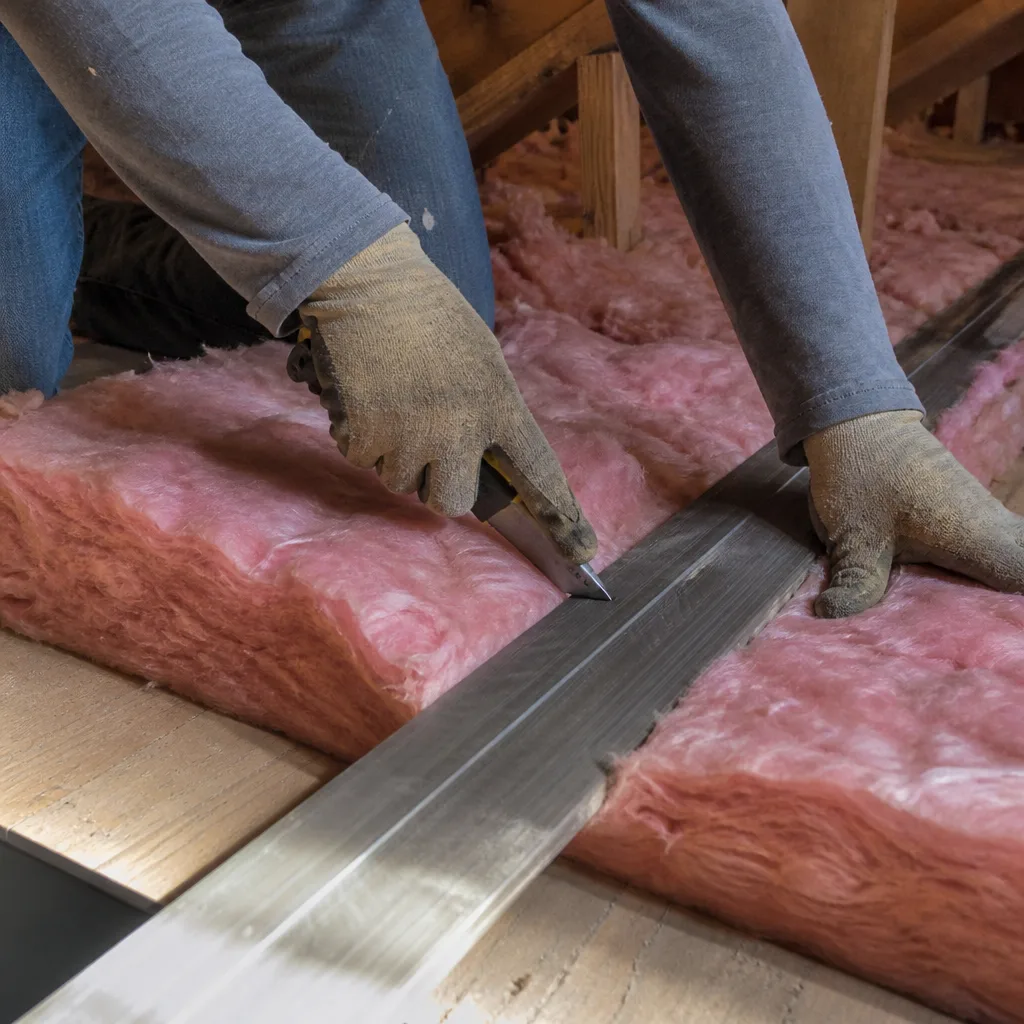
Canyon Lake sits at the edge of Texas Hill Country, where elevations shift and outdoor air pressure behaves differently than in a flat urban grid. Stack effect – the tendency for warm air to rise and escape through attic gaps while pulling outside air in from below – is more pronounced here than in flatter parts of the San Antonio metro. That means an attic with R-38 batt insulation but unaddressed top-plate gaps can still cost you nearly as much to condition as one with R-22 and properly sealed penetrations.
We’ve measured this directly. On a Canyon Lake home near FM 2673, the pre-sealing blower-door test read 5,100 CFM50 (cubic feet per minute at 50 pascals of pressure – the standard measurement unit for building air leakage). After sealing top plates, can lights, and three HVAC boot gaps before installing R-38 batts, the post-install reading came back at 2,350 CFM50. That’s the number the homeowner can actually verify – not a vague claim about efficiency.
No other insulation method – batt or otherwise – performs to rated R-value in an attic with open air pathways. This is why we won’t install batts without sealing first, and why any contractor who skips that step is giving you a number on paper that won’t match what you experience in July.
Batt vs. Blown-In: Which One Is Right for Your Canyon Lake Home?
Both methods work. The right answer depends on your attic geometry, existing conditions, and what problem you’re actually solving. Here’s the honest breakdown:
- Batt insulation fits well when: joist bays are consistent (standard 16″ or 24″ on-center framing), the attic is accessible with reasonable clearance, and you want a material you can visually inspect in the future without specialized equipment.
- Blown-in insulation fits better when: the attic floor is irregular or has deep existing material that makes batt installation awkward, you need to add depth quickly over existing batts without removing them, or the framing layout is non-standard.
- Both methods require the same air sealing step first – the insulation type doesn’t change that calculus.
If you want to compare both approaches in detail, our Attic Insulation in Canyon Lake page covers the full range of methods, materials, and R-value targets for this climate zone. We also service the broader building envelope – from crawl space work to full home energy audits – all under the same documented process.
Materials We Use
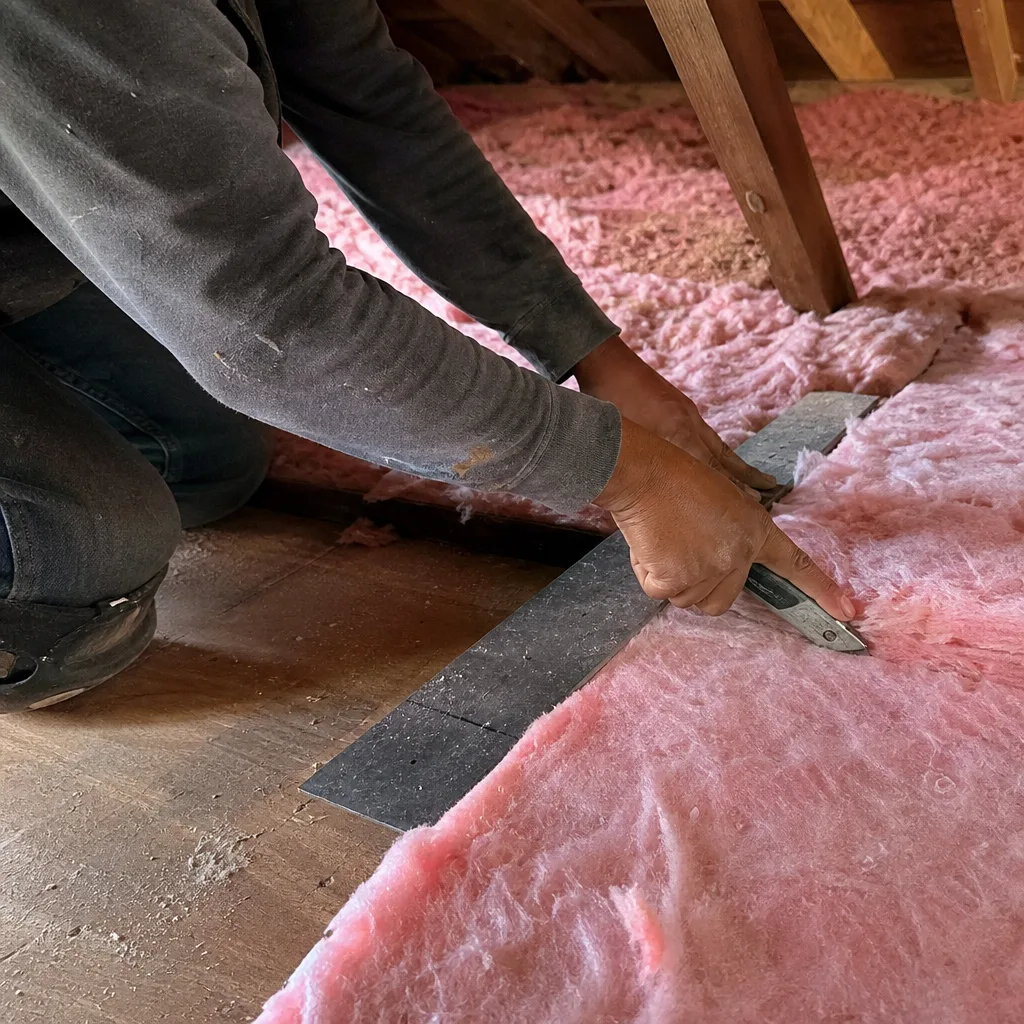
We source batts from Owens Corning and Johns Manville for standard fiberglass applications, and Rockwool mineral wool when a job calls for better moisture resistance or fire performance – which comes up more often in Canyon Lake’s humid Hill Country air than in drier inland markets. We don’t have a proprietary product arrangement with any manufacturer, which means we’re specifying material based on what the job needs, not what moves margin for us. The written scope you receive names the product, the R-value, and the coverage depth so you know exactly what’s going in before anyone starts.
FAQs – Attic Batt Insulation
How much does attic batt insulation cost in Canyon Lake, TX?
Most attic batt insulation jobs in Canyon Lake run between $1.25 and $2.40 per square foot installed, or roughly $1,875 to $3,600 for a typical 1,500-square-foot attic. The main variables are your target R-value, whether existing insulation needs to come out first, and the scope of air sealing required. Under Haven Standard Clause 1, you receive a flat written price before any work starts – call (737) 227-6219 and we’ll come out and give you that number same day.
Is fiberglass batt insulation safe for my family in Canyon Lake?
Modern fiberglass batts from manufacturers like Owens Corning and Johns Manville are manufactured to meet current ASTM standards and don’t off-gas after installation. During installation, our technicians wear appropriate respiratory protection and clear the space before reopening the attic. Once batts are in place and the attic is buttoned up, there’s no ongoing exposure risk. If you have concerns about air quality or specific sensitivities, mineral wool (Rockwool) is a non-fiberglass alternative with similar thermal performance.
Can I install batt insulation myself, or does it need a professional?
Batt installation itself is within a capable homeowner’s skill range for accessible, simple attic layouts – but the air sealing step that has to come first is where most DIY attic projects fall short. Sealing around recessed can lights, electrical penetrations, and top plates requires the right materials and the knowledge of where the gaps actually are. Running a blower-door test before and after to confirm the seal is also not DIY territory. If you skip those steps, you’re adding R-value on paper without fixing the actual energy loss. We’re happy to inspect your attic and give you a clear picture of what’s needed before you decide how to proceed.
How long does attic batt insulation last in Canyon Lake’s climate?
Properly installed, undisturbed fiberglass batts typically maintain most of their rated R-value for 20-30 years, though Attic Insulation Replacement may be needed sooner if moisture damage occurs. Canyon Lake’s humidity is the main local threat – if water infiltrates the attic from a roof leak or condensation issue, batts absorb moisture and lose R-value quickly. We photograph the entire attic before and after installation, so if you ever have a moisture event in the future, you have a baseline record of what the attic looked like when the insulation was new. Mineral wool batts are more moisture-resistant by nature and hold up better in situations where some humidity exposure is expected.
Schedule Your Free Estimate in Canyon Lake
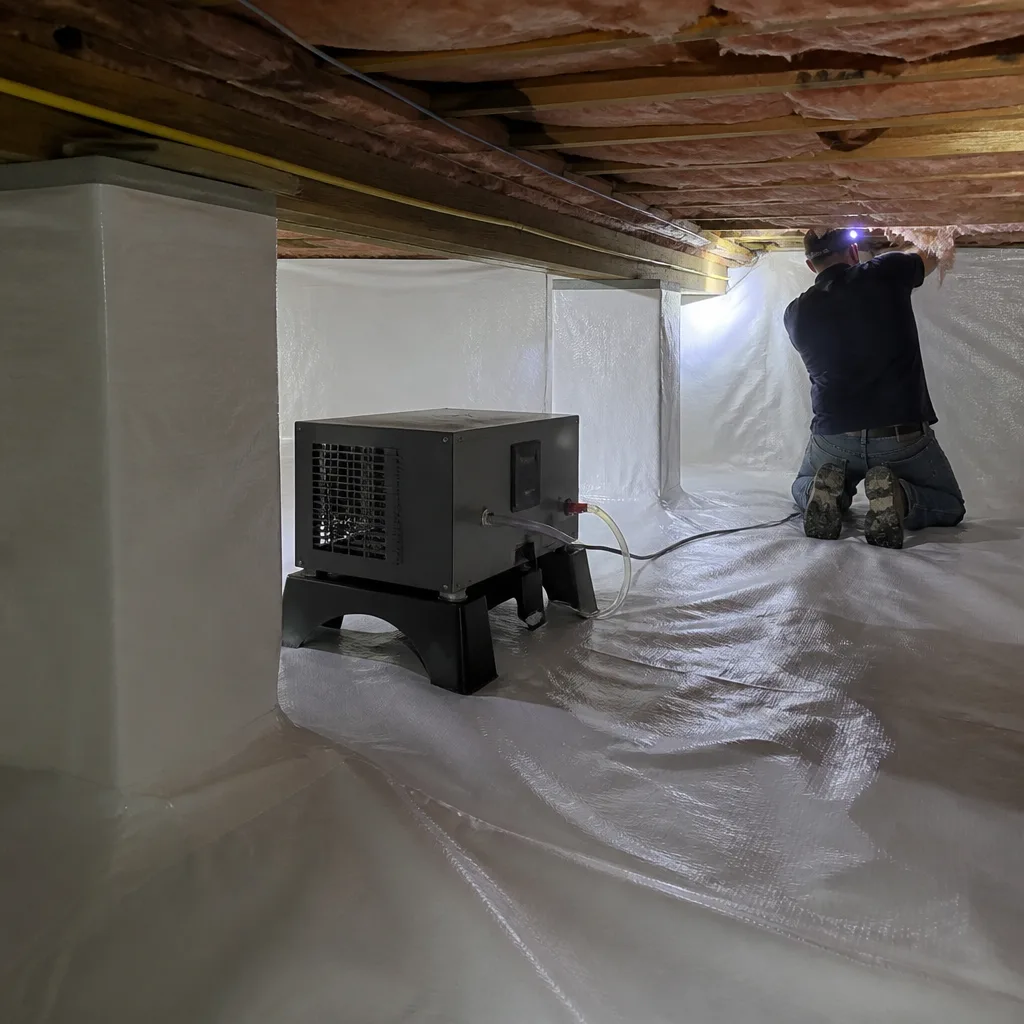
If your home in Canyon Lake is running hot upstairs, carrying higher energy bills than the square footage justifies, or you simply know the attic hasn’t been touched since the house was built, an attic batt insulation job done in the right order – air sealed first, then insulated, with before-and-after blower-door numbers to show the result – can change what you pay to condition that space every month.
Topside Attic Insulation Canyon Lake has been part of Envelope Insulation Co. since 2016, with more than 9,000 homes sealed and insulated across our service area – every one with a written price before work started and a documented record when the crew left. Wes Okafor stands behind every job with the 365-Day Done Right Promise: if it’s not done right, we make it right.
Call (737) 227-6219 to schedule your free estimate. A live person picks up – no voicemail, no callback window. We’ll inspect the attic, give you a flat written price the same day, and you decide from there. No pressure, no manufactured urgency – just a clear number and a documented scope.
Written by Wes Okafor, Owner at Topside Attic Insulation Canyon Lake, serving Canyon Lake.