
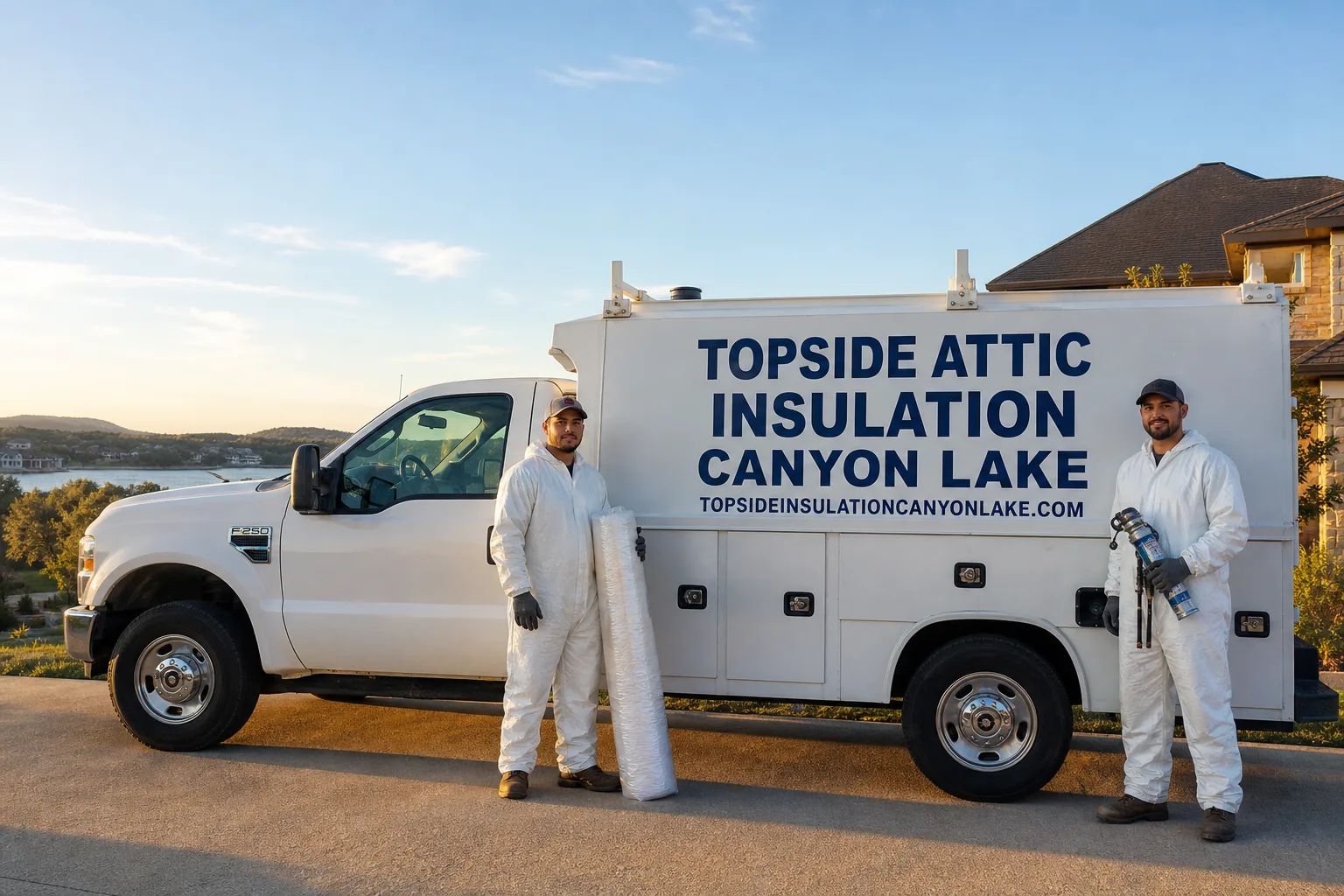
Fast, Reliable Blown-In Insulation Across Canyon Lake
Blown-in insulation in Canyon Lake typically runs $1,800-$4,500 for a full attic retrofit on a converted lake cabin, with dense-pack wall work adding $2,200-$5,000 depending on square footage and accessibility. Most Canyon Lake jobs are completed in one to two days, and our crews are dispatched from the San Antonio office with same-week availability for standard bookings. Call (737) 227-6219 for a written price before any work starts - that’s Haven Standard Clause 1, no exceptions.
We’ve worked on enough Canyon Lake homes to know the pattern: a 1970s weekend cabin off Startzville Road or a canyon-rim place near Overlook Park, bought for retirement or remote work, with 2×4 walls that were never meant to hold heat through a Hill Country winter. The attic has a thin layer of old batts, maybe some rock wool from the Reagan era, and the band boards are open to whatever the wind brings up from the lake. Our Blown-In Insulation team treats every Canyon Lake job as a whole-envelope assessment, not a quick blow-and-go.
Why Topside Attic Insulation Canyon Lake Is Canyon Lake’s Preferred Blown-In Insulation Company
We’ve sealed and insulated over 9,000 homes since 2016, and a growing share of those are right here in Canyon Lake - the converted cabins along FM 2673, the retirement builds near Hancock, the snowbird places that sit empty from May through September. Canyon Lake homeowners leave reviews that mention specific details: the blower-door number they got, the photo record showing before and after, the written price that didn’t change. That’s the documentation we deliver on every job.
Response time to Canyon Lake is same-week for standard assessments, and our 24/7 live-answer line means you’re talking to a person, not a callback queue, when you call (737) 227-6219. We know the local building patterns: which developments used pier-and-beam, which slabs have accessible rim joists, where the 1980s builds with zero wall insulation cluster. That local knowledge changes what we recommend. A flat-lot home in Schertz needs different sequencing than a limestone-shelf cabin with Hill Country breeze washing through three sides.
Our Blown-In Insulation Services in Canyon Lake
Blown-In Cellulose
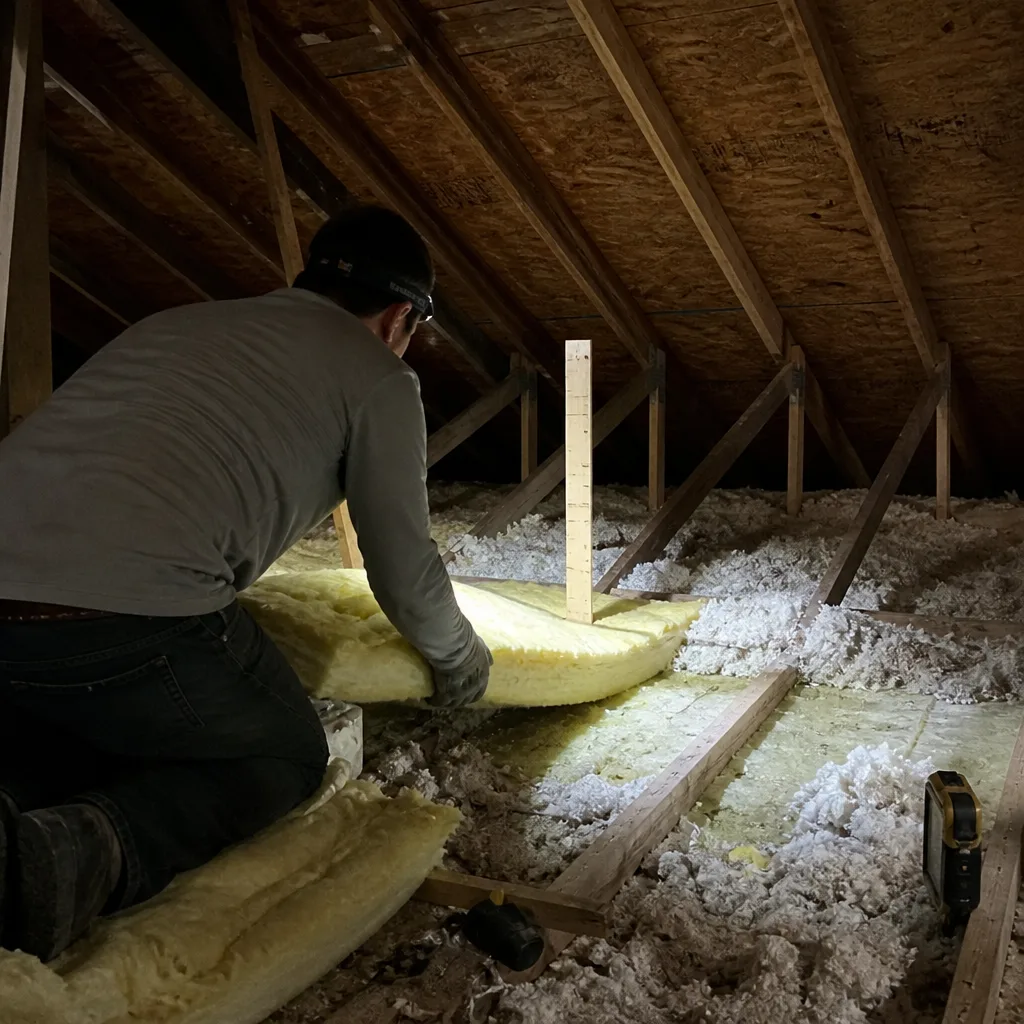
We use GreenFiber cellulose for many Canyon Lake retrofits because it dense-packs well into the narrow 2×4 wall cavities common in 1960s-1980s lake cabins. Cellulose handles the humidity fluctuation near Canyon Lake’s reservoir better than fiberglass in poorly ventilated spaces, and it’s treated for fire resistance and pest deterrence. On a typical Startzville-area cabin, we’ll dense-pack the walls first, then address the attic - sequencing matters here because those walls were never insulated to begin with.
Blown-In Fiberglass
Owens Corning fiberglass is our choice for attic work in Canyon Lake when the existing insulation is salvageable and we’re doing a top-up or full replacement. It doesn’t absorb moisture the way older materials do, which matters in attics that see 150°F summer heat and periodic humidity spikes off the lake. We blow to current IECC standards for the Hill Country climate zone, and we never blow over an unsealed attic floor - top plates, can lights, and penetrations get sealed first, every time.
Dense-Pack Wall Insulation
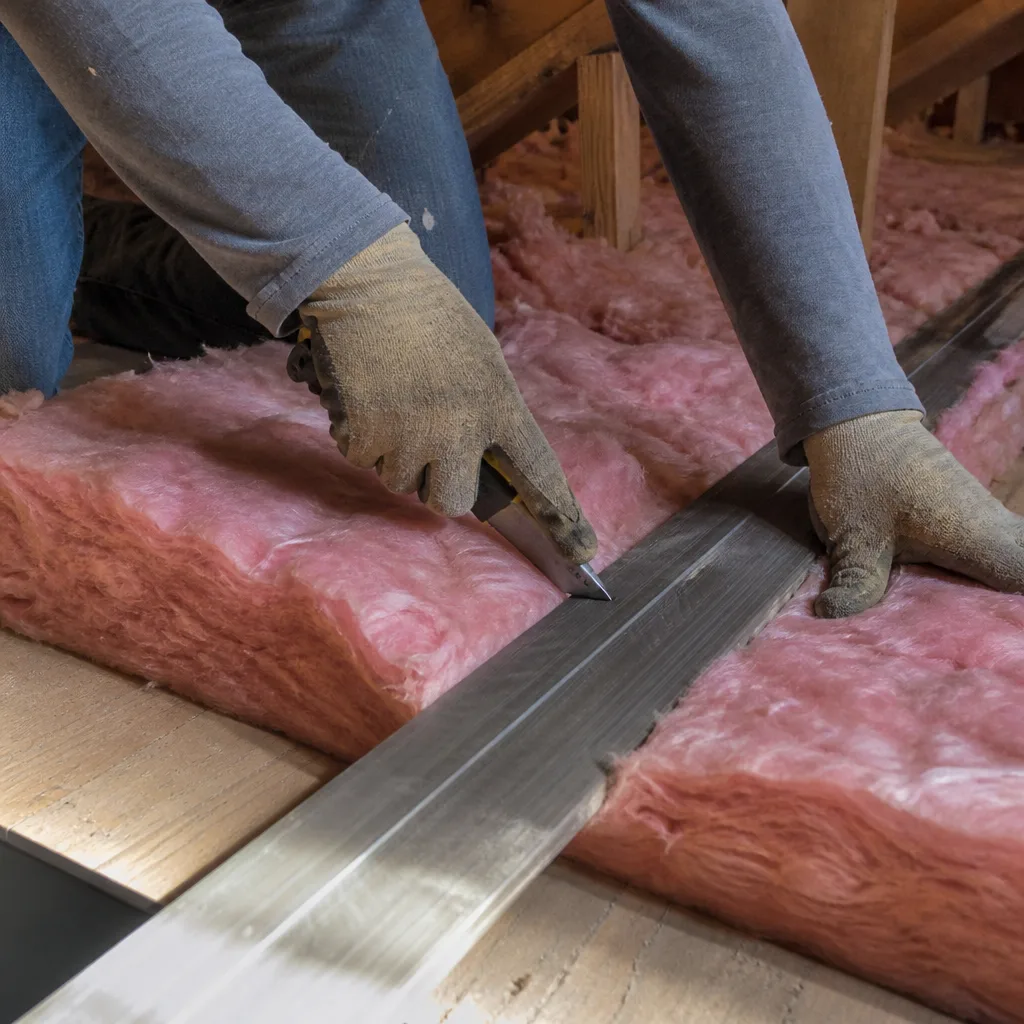
This is the service that separates Canyon Lake retrofits from standard attic jobs. Most lake cabins were built with 2×4 walls and nothing in them - no batts, no foam, just siding and drywall. Dense-packing those cavities with GreenFiber cellulose, blown at 3.5 pounds per cubic foot, creates a continuous thermal barrier that cuts convective heat loss through the walls. On limestone-shelf homes with exposed rim joists, we pair this with targeted air-sealing of band boards and joist ends. The result is measurable: we’ve seen blower-door reductions of 40% or more on canyon-rim properties where the walls were finally addressed.
Blown-In Top-Up
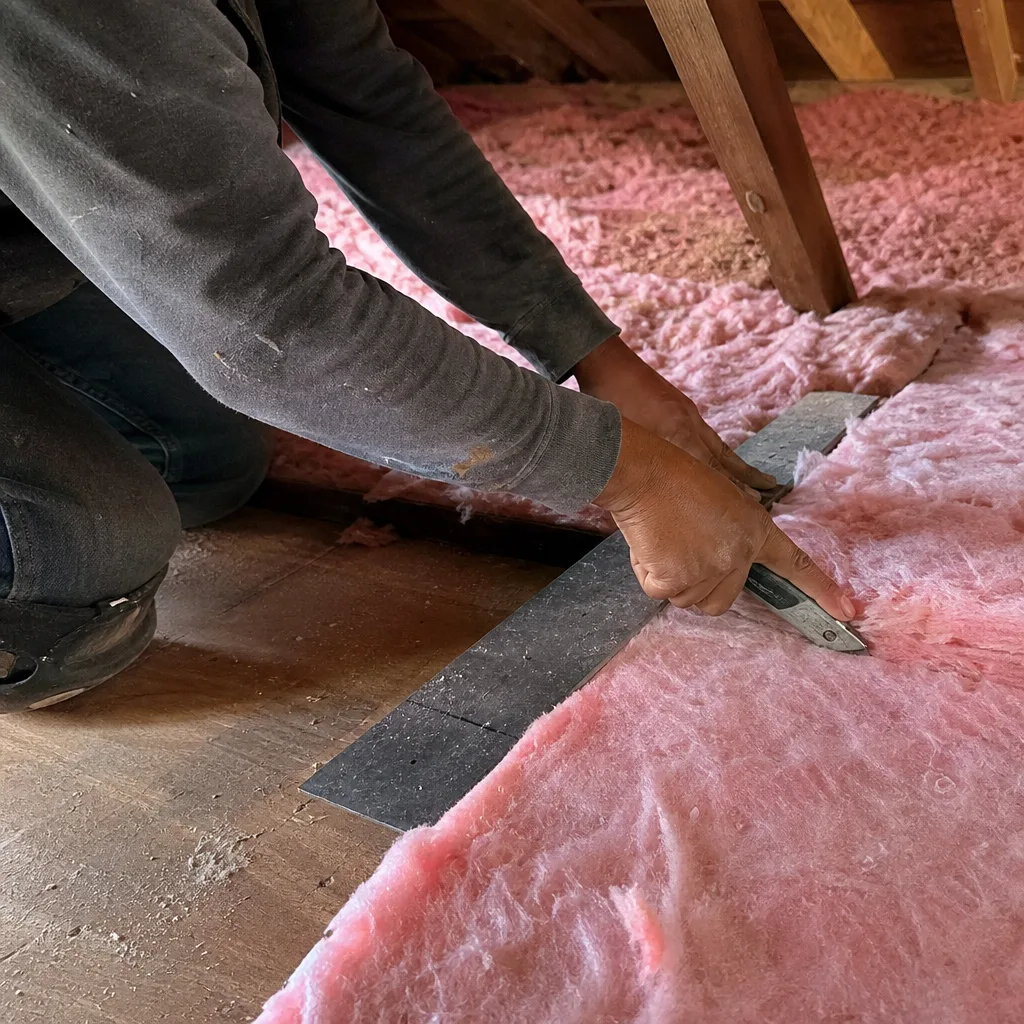
Not every Canyon Lake home needs a full removal and restart. If your attic has existing fiberglass or cellulose that’s settled but isn’t contaminated by moisture or rodent activity, a top-up can bring you back to code-minimum R-value for less. We assess first: compressed batts, signs of moisture staining, or rodent trails mean removal is the honest recommendation. But where the substrate is clean, blowing additional Owens Corning fiberglass over the top is a cost-effective path. We’ll tell you which category you’re in before we quote.
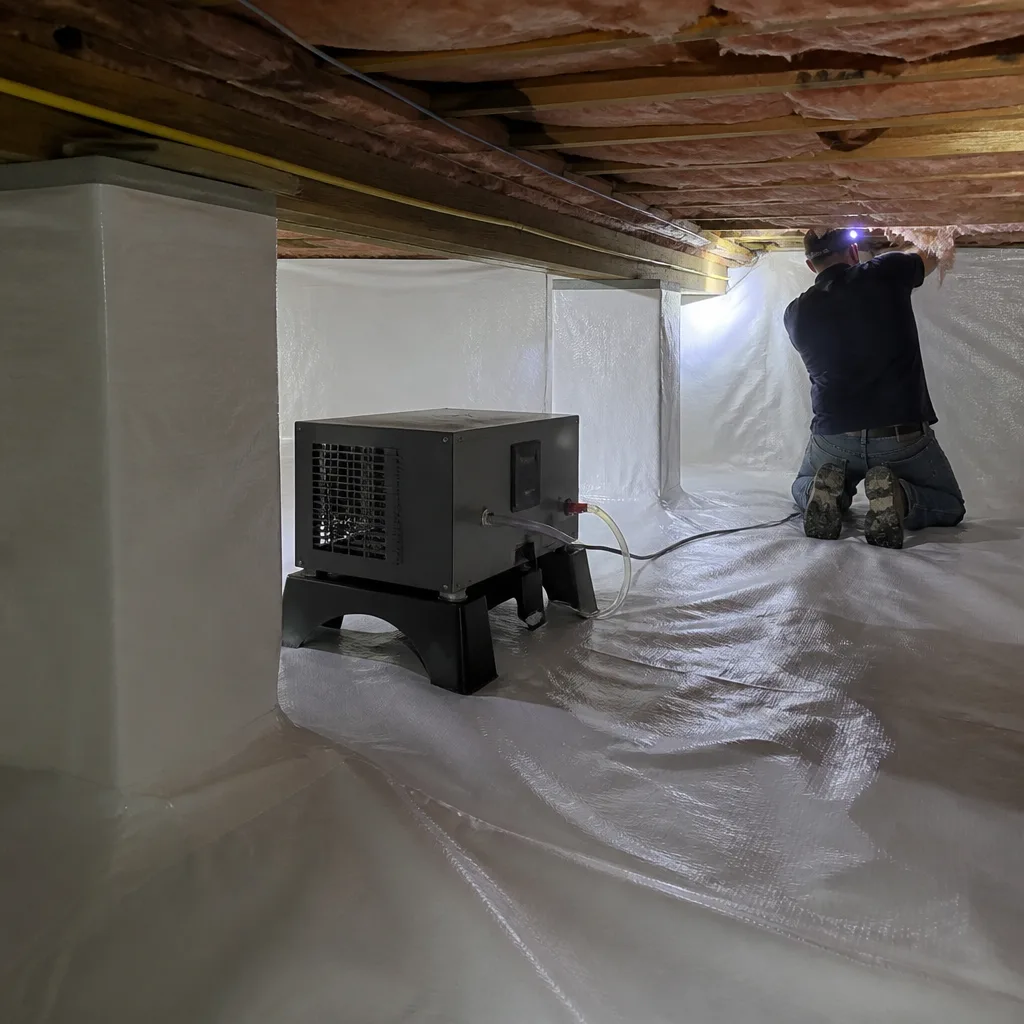
What happens when you call
- 1
A real person answersNo phone trees - you reach a local pro.
- 2
You get an upfront price rangeHonest numbers before anyone is dispatched.
- 3
A background-checked tech heads outLicensed & insured, dispatched right away.
- 4
You approve before work beginsNothing starts until you say go.
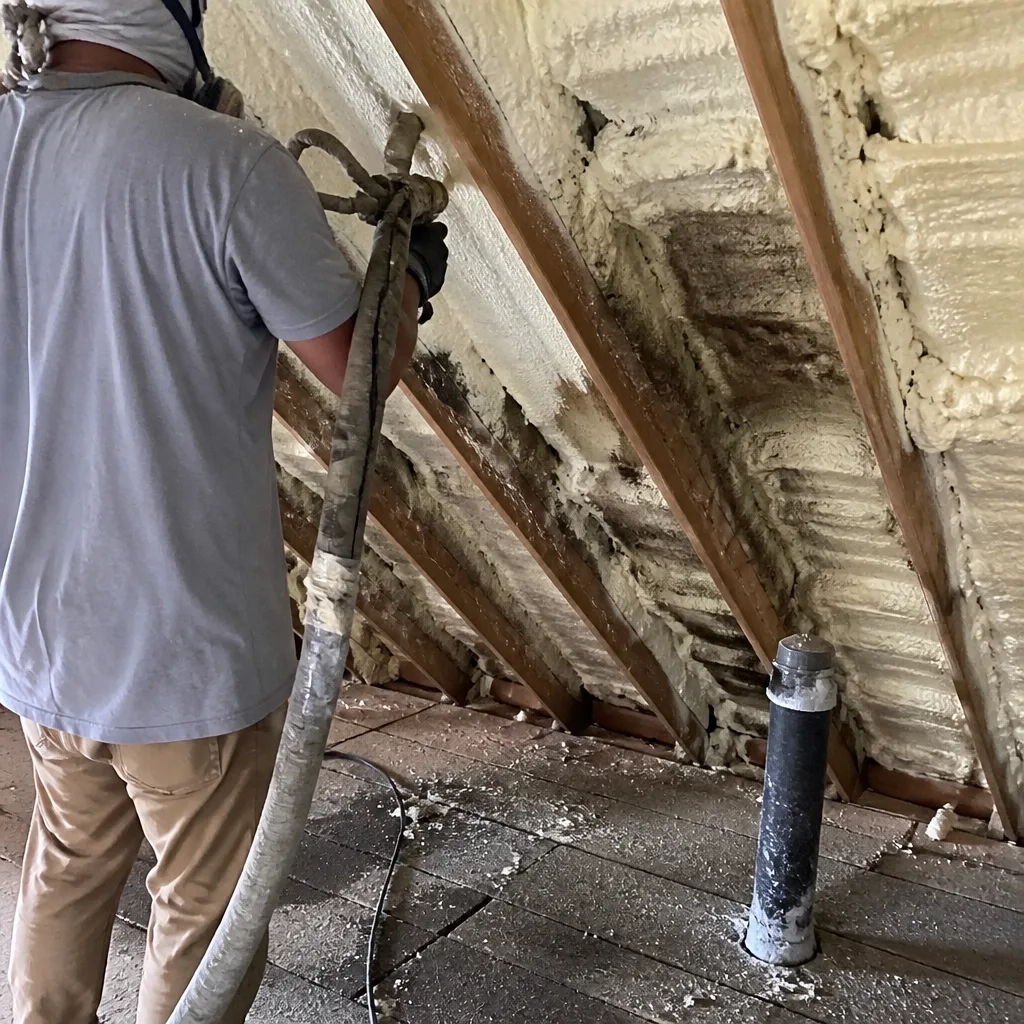 Before
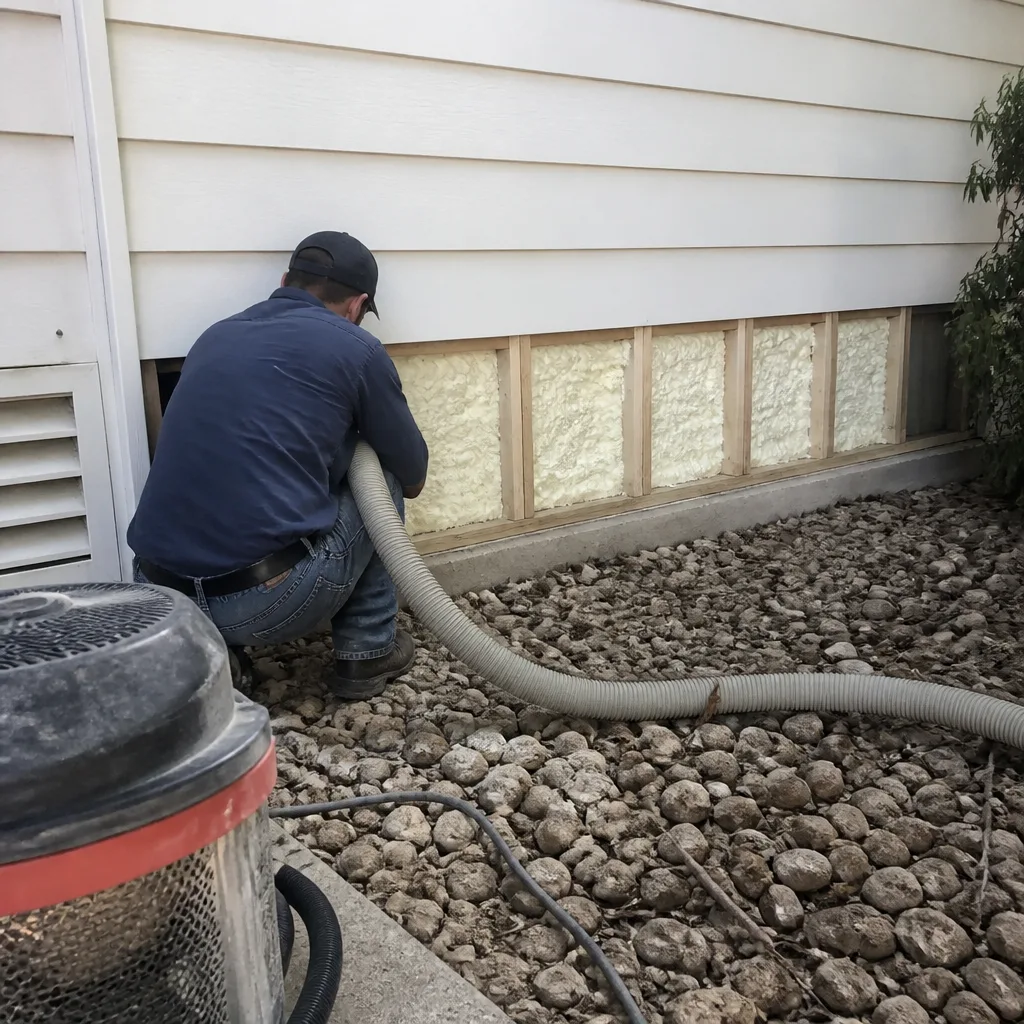 After
AfterTrusted Brands We Service in Canyon Lake
We source materials from Owens Corning, Johns Manville, Knauf, and GreenFiber - no proprietary lock-in, no house brand with mystery specs. For Canyon Lake jobs, this means we can match the right product to the actual condition of your home: GreenFiber cellulose for dense-packing 2×4 walls, Owens Corning fiberglass for attic work in high-heat conditions, Johns Manville where specific compression ratings matter. We stock common densities and R-values locally, so your job isn’t waiting on a freight shipment from Dallas. Every bag is documented in your photo record, with lot numbers, so you know exactly what went into your walls and attic.
Common Blown-In Insulation Problems We See in Canyon Lake Homes
- Snowbird vacancy damage. Seasonal residents leave converted lake cabins empty for months, so attic moisture and rodent activity go unnoticed until an insulation top-up reveals compressed, contaminated batts. We document this with photos before touching anything, so you see what we see.
- Freeze-event destruction. Hard freezes like February 2021’s Winter Storm Uri burst pipes in uninsulated lake-cabin walls, and the resulting water damage mats blown-in cellulose that then needs full removal before re-blowing. We’ve handled dozens of these post-Uri jobs in Canyon Lake - the water damage is often worse than homeowners expect.
- Limestone-shelf air leakage. Exposed limestone-shelf crawl spaces with open rim joists let Hill Country breeze wash through, so added attic insulation alone shows almost no cooling-bill improvement until air-sealing is done first. This is the most common misconception we correct on canyon-rim estimates.
- Original rock wool and minimal attic coverage. Many 1960s-1970s cabins were built with a thin scatter of rock wool - maybe R-7 if you’re generous - and no wall insulation at all. The attic wasn’t engineered for full-time climate control because the cabin wasn’t engineered for full-time occupancy. Retrofitting these requires a different scope than a 2005 suburban build.
Pricing for Blown-In Insulation in Canyon Lake, TX
Most Canyon Lake attic insulation jobs on a converted 1,200-1,800 square foot lake cabin run $1,800-$3,200 for blown-in fiberglass to modern R-value, assuming accessible attic space and no removal required. Dense-pack wall insulation for the same footprint adds $2,200-$4,000, with pier-and-beam crawl spaces running toward the higher end due to access complexity. Full removal and replacement of contaminated or water-damaged material starts around $3,500 for attic-only work.
| Service | Typical Range in Canyon Lake |
|---|---|
| Blown-in attic top-up (clean substrate) | $1,200-$2,400 |
| Full attic replacement, blown fiberglass | $1,800-$3,500 |
| Dense-pack wall insulation (2×4 cavities) | $2,200-$4,500 |
| Attic removal + replacement (contaminated) | $3,500-$6,000 |
| Air sealing + insulation package | $3,200-$7,500 |
What moves you within these ranges: attic accessibility (steep pitches and limited hatches add labor), whether removal is needed, and the extent of air-sealing required before blowing. Every Canyon Lake estimate includes a blower-door test on applicable jobs, a written scope, and a written price before any work starts. Call (737) 227-6219 - estimates are free, and we offer a Free Second Opinion on any written estimate you’ve already received.
We Also Serve Cities Near Canyon Lake
Our crews work throughout the Hill Country and I-35 corridor, including Canyon Lake, New Braunfels, Bulverde, Schertz, and Cibolo. Dispatch and scheduling are coordinated from our San Antonio office, with local crews serving Canyon Lake directly. Same service standards, same Haven Standard documentation, same written price before work starts.
Serving Canyon Lake, TX - Our Local Coverage Area
We’re based in the Canyon Lake area and know this community well. Use the map below to see our service coverage - if you’re nearby, we can almost certainly help.
FAQs - Blown-In Insulation in Canyon Lake
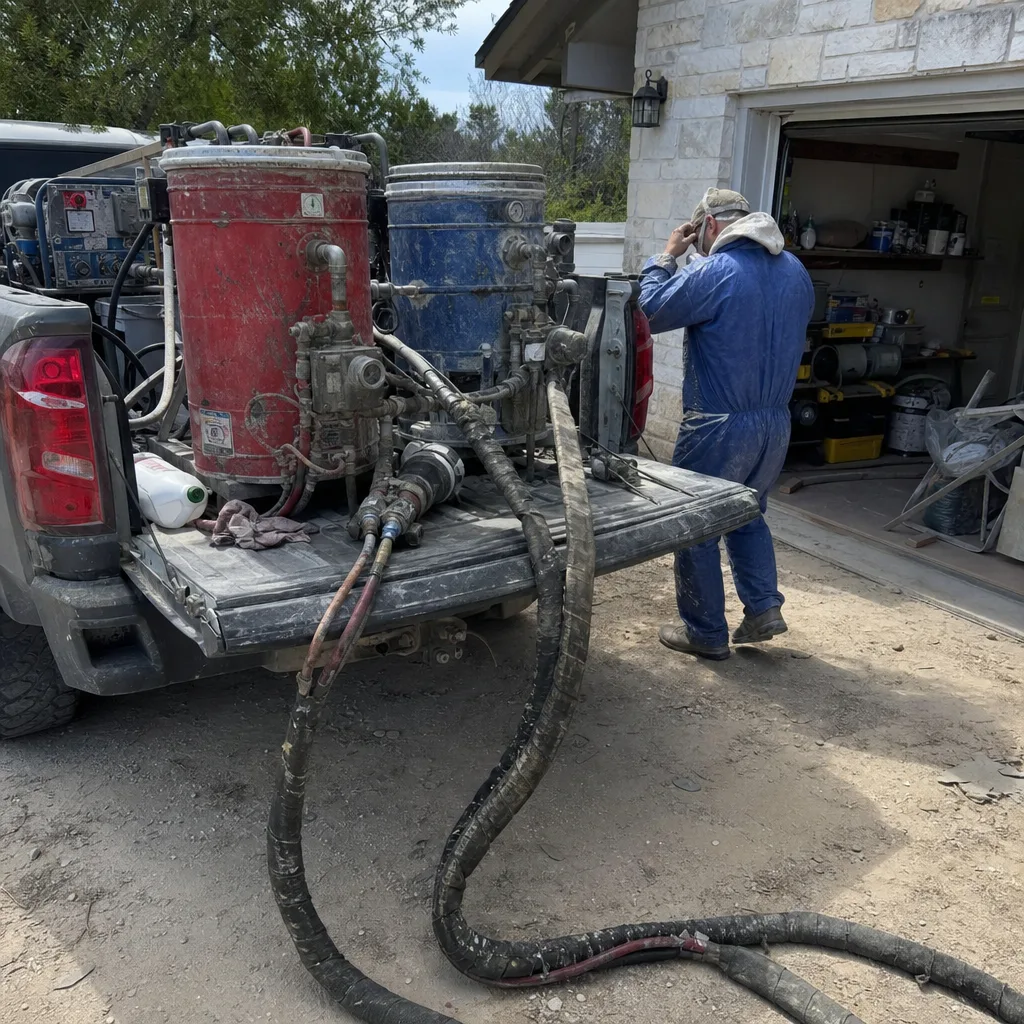
No. Most 1970s Canyon Lake cabins were built with 2×4 walls and little or no wall insulation, plus attics that were never engineered for year-round climate control. An attic top-up alone leaves the walls unaddressed, and in many Canyon Lake cabins, the walls are the bigger heat loss path. We assess the whole envelope: walls, attic, rim joists, and air leakage points. Call (737) 227-6219 for a written scope that addresses what’s actually wrong, not just what’s easy to reach.
Yes, but the sequencing matters for vacant homes. Proper air-sealing and insulation reduce the temperature swings that stress your HVAC during shoulder seasons and cut humidity intrusion that can lead to mold in an unconditioned space. We also flag rodent entry points during our assessment - a common find in snowbird cabins where attic activity goes undetected for months. The 365-Day Done Right Promise applies whether you’re in residence or not. Call (737) 227-6219 to schedule an assessment before your next departure.
Because the Hill Country breeze is washing through your rim joists and band boards, bypassing whatever you added overhead. On limestone-shelf homes with exposed lower walls or crawl spaces open on two or three sides, air-sealing those edges often delivers more measurable cooling-bill relief than additional attic R-value. This is a counterintuitive priority that surprises homeowners used to standard flat-lot advice, but we’ve documented it repeatedly on Canyon Lake estimates with before-and-after blower-door numbers. Call (737) 227-6219 and we’ll show you the actual leakage paths in your specific home.
Cellulose for walls, fiberglass for attics - that’s our typical recommendation for Canyon Lake’s converted cabins. GreenFiber cellulose dense-packs better into 2×4 wall cavities and handles the humidity fluctuation near the reservoir well. Owens Corning fiberglass in the attic doesn’t absorb moisture and performs consistently in the 150°F peak summer temperatures we see here. The real answer depends on your specific home’s condition, which is why we start with an assessment, not a product push. Call (737) 227-6219 for a written recommendation with both options priced.
Have the affected cavities inspected before assuming a simple top-up will work. When pipes burst in uninsulated walls, the resulting water mats cellulose, compresses fiberglass, and creates conditions for mold that make re-blowing over the damage a mistake. We’ve handled post-Uri jobs in Canyon Lake where the visible damage was minor but the wall cavities held saturated, compressed material for months. We document with photos, remove what’s damaged, dry and treat the space, then re-insulate with a new blower-door baseline. Call (737) 227-6219 - we’ll read your insurance estimate with you if you have one, and we offer a Free Second Opinion on any written quote you’ve already received.
Ready to stop budgeting for a new AC unit and fix the envelope instead? Call (737) 227-6219 for a free estimate. Every Canyon Lake job starts with a written price, includes a Documented Photo Record, and ends with before-and-after blower-door numbers you can verify. The 365-Day Done Right Promise applies to all completed work, and a live person answers our line 24/7.
Written by Wes Okafor, Owner at Topside Attic Insulation Canyon Lake, serving Canyon Lake and the Hill Country since 2016.