
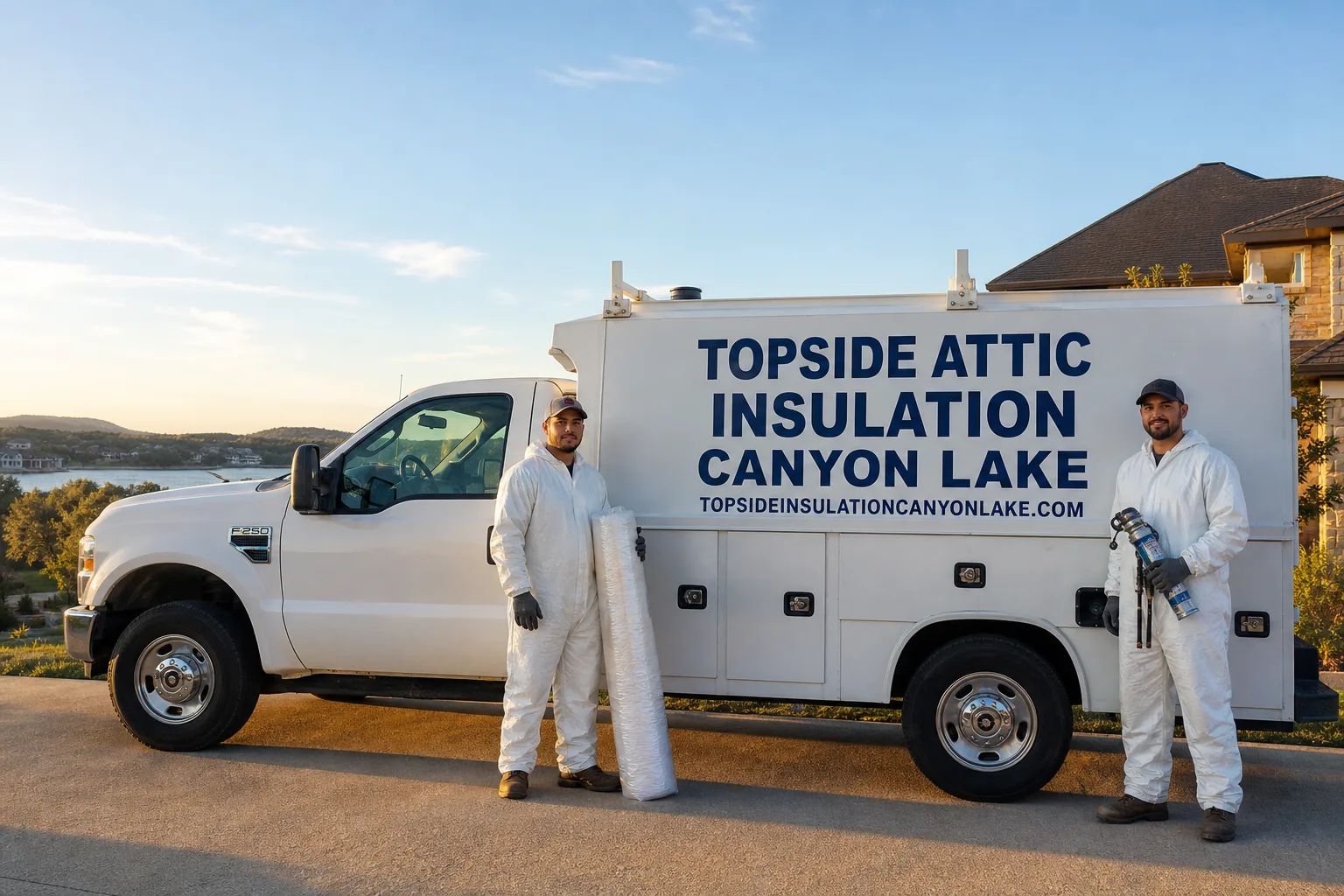
Fast, Reliable Blown-In Insulation Across Castle Hills
Blown-in insulation in Castle Hills, TX typically runs $1.80 to $3.40 per square foot of attic floor, with most complete attic jobs on a 1,500-square-foot ranch falling between $2,700 and $5,100. Dense-pack wall insulation for the same footprint adds $1,200 to $2,800. We’re usually on-site in Castle Hills within 24 to 48 hours of your call, and we pull the proper Castle Hills city permit before any truck leaves our Dallas-Fort Worth dispatch office - not a San Antonio permit, not a Bexar County permit. Call (737) 227-6219 for a written price before any work starts.
Castle Hills sits as its own incorporated city, completely ringed by San Antonio, and that jurisdictional independence matters when you’re hiring an insulation contractor. We’ve handled the permitting paperwork on enough Castle Hills jobs to know the difference. Our crews understand the concentrated stock of 1950s to 1970s ranch homes here - low-slope rooflines, minimal original insulation, and attics that have cooked past 150°F for decades. We don’t top up attics without sealing them first. That’s not an upsell. It’s the only way the insulation performs.
Why Topside Attic Insulation Canyon Lake Is Castle Hills’s Preferred Blown-In Insulation Company
We’ve worked Castle Hills long enough to recognize the pattern. A homeowner near Jackson-Keller Road calls after an energy audit shows their attic insulation has compacted to roughly R-5. Another off Northwest Military Highway discovers moisture-compromised fiberglass batts sagging in wall cavities. Both expected a simple blow-in. Both needed air-sealing, dense-pack walls, and a crew that understood why their 1960s ranch was bleeding conditioned air.
Our reviews from Castle Hills customers consistently mention the same things: we show up when we said we would, we text from the truck, and we leave behind a Documented Photo Record plus before-and-after blower-door numbers when the job involves air sealing. No voicemail loops. No callback windows. A live person answers at (737) 227-6219 - 24 hours a day.
Response time to Castle Hills runs same-day to next-day for most blown-in insulation calls, with emergency heat-load situations prioritized. We coordinate dispatch from our Dallas-Fort Worth office, but the crew that arrives at your Castle Hills door knows the local code requirements, the permit office location, and the specific envelope failures common to mid-century ranch construction in this market.
The 365-Day Done Right Promise applies to every Castle Hills job. If it’s not done right, we make it right. That’s Haven Standard.
Our Blown-In Insulation Services in Castle Hills
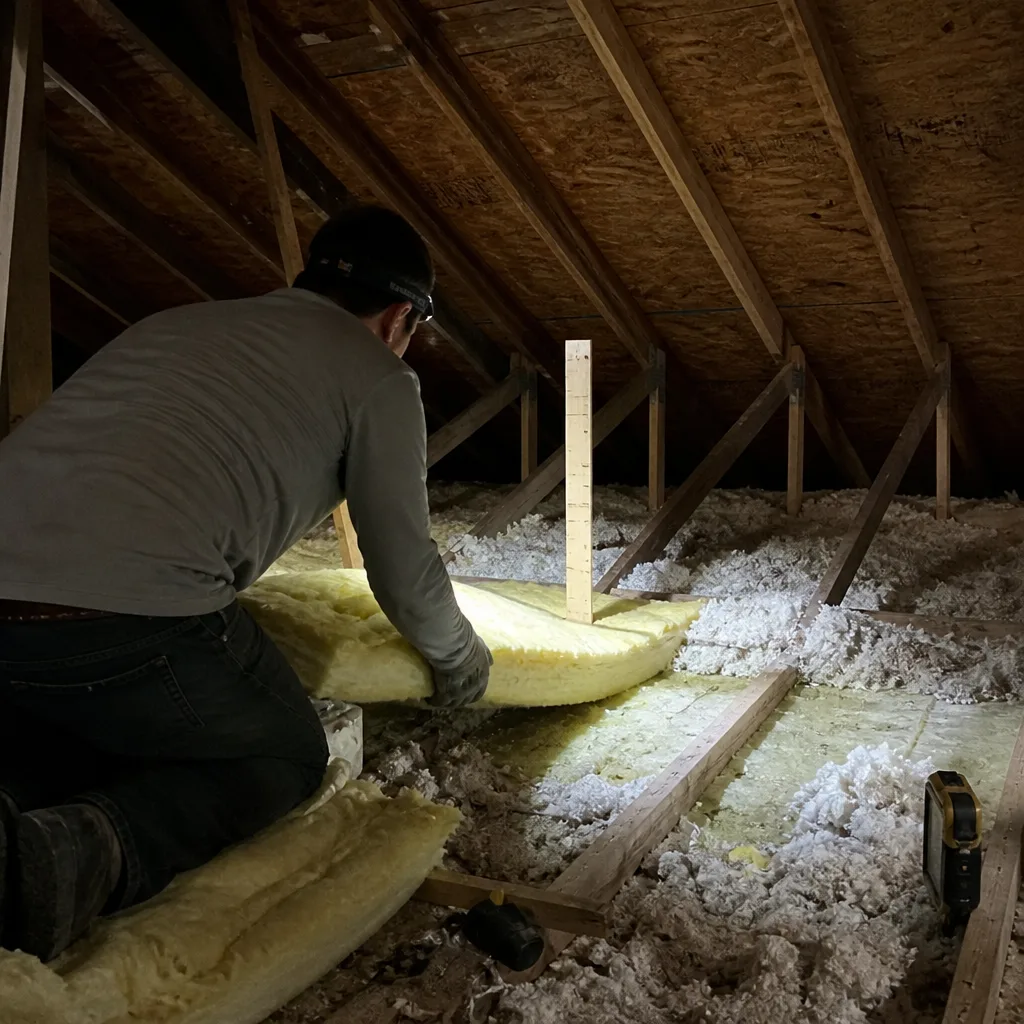
Blown-In Cellulose
We specify GreenFiber cellulose for most Castle Hills attic restorations. Cellulose handles the extreme radiant heat gain through low-slope ranch rooflines better than older alternatives because it resists convection currents that strip R-value in gaps. For a typical 1,200-square-foot attic in Castle Hills, a full cellulose blow to R-38 after air-sealing runs $2,160 to $4,080. We never blow cellulose over an unsealed attic floor - top plates, can lights, and plumbing penetrations get sealed first, or the extreme Castle Hills attic temperatures will push conditioned air straight through the new insulation.
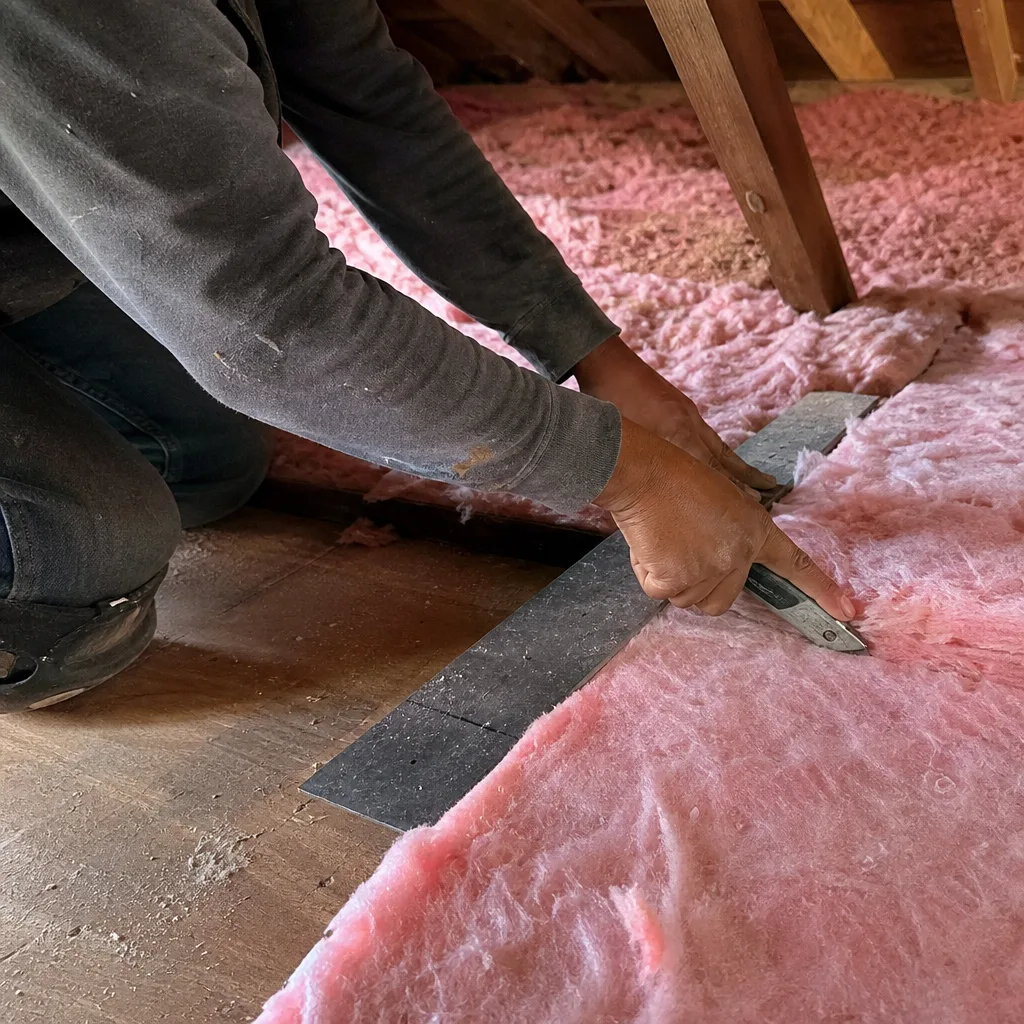
Blown-In Fiberglass
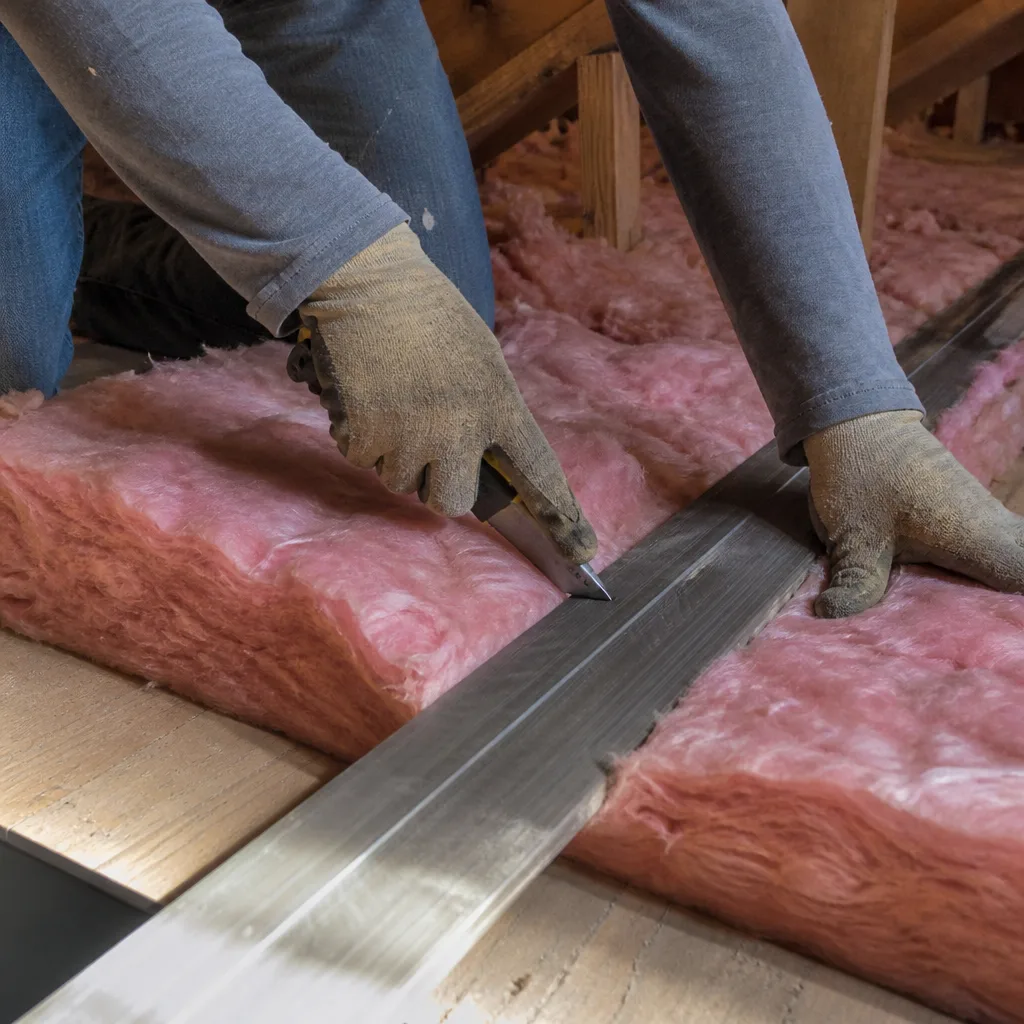
Owens Corning fiberglass blown-in works well for Castle Hills homeowners who need a top-up over existing batt insulation that hasn’t degraded past salvage, or for specific applications where moisture sensitivity is a concern. A blown-in fiberglass top-up to restore R-38 in a Castle Hills ranch attic typically costs $1,440 to $2,880. We assess what’s down there first. If the original 1960s batts have compacted to dust or harbor moisture, we remove before we blow.
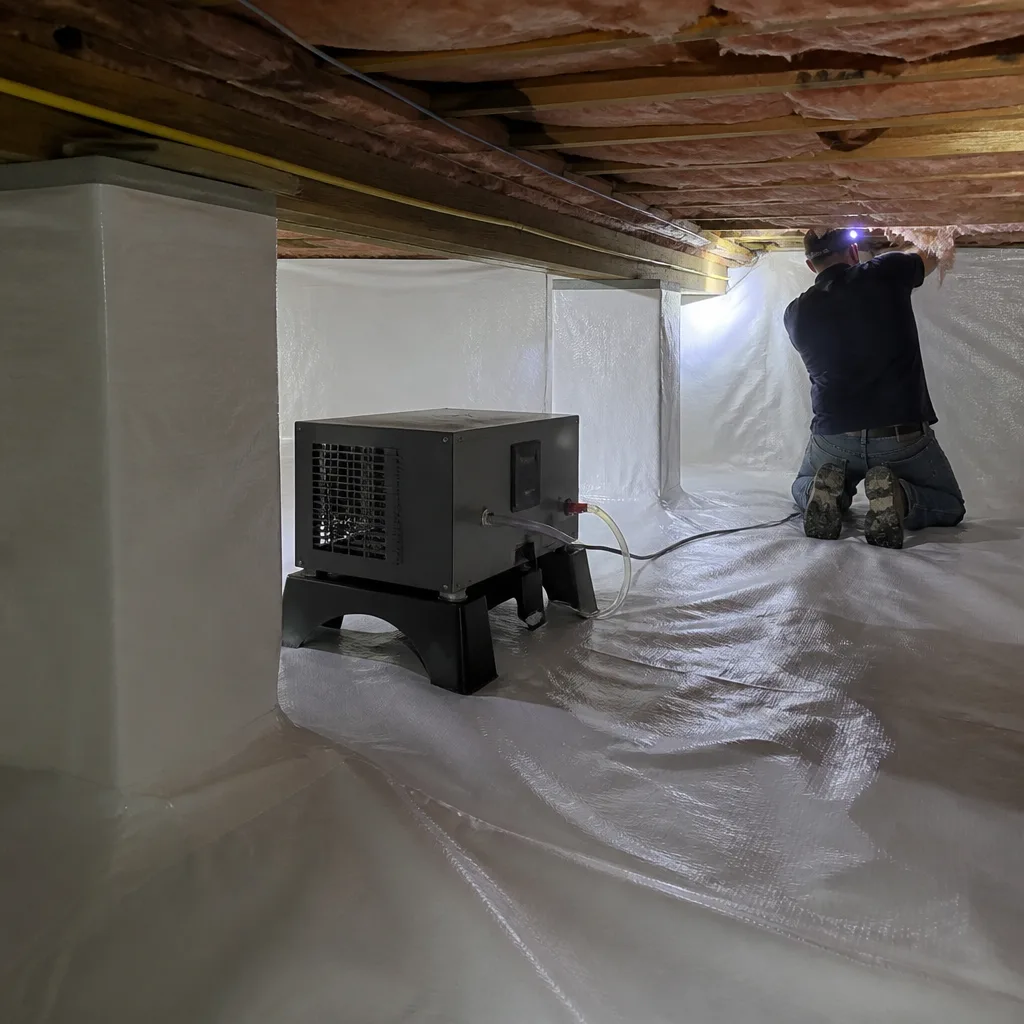
Dense-Pack Wall Insulation
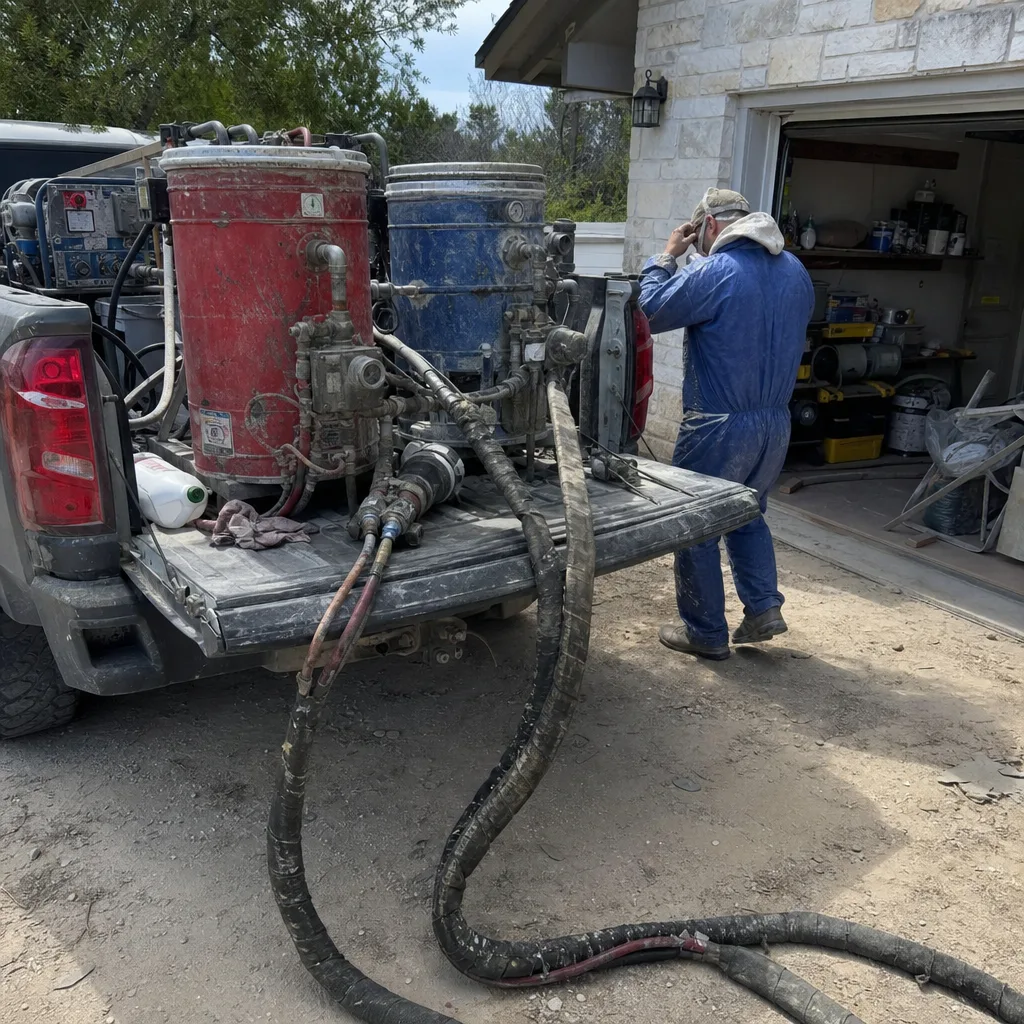
This is where Castle Hills ranch homes see the biggest gap. Original wall cavities in 1950s to 1970s construction here are often uninsulated or hold batts that have slumped, torn, or absorbed moisture. Dense-pack cellulose or fiberglass - blown at high density into closed cavities - restores thermal barrier without tearing out drywall. A full dense-pack of wall cavities on a 1,500-square-foot Castle Hills ranch runs $1,200 to $2,800. We regularly combine this with attic work in a single visit, which is what most Castle Hills homeowners want: one trip, one permit, one documented record.
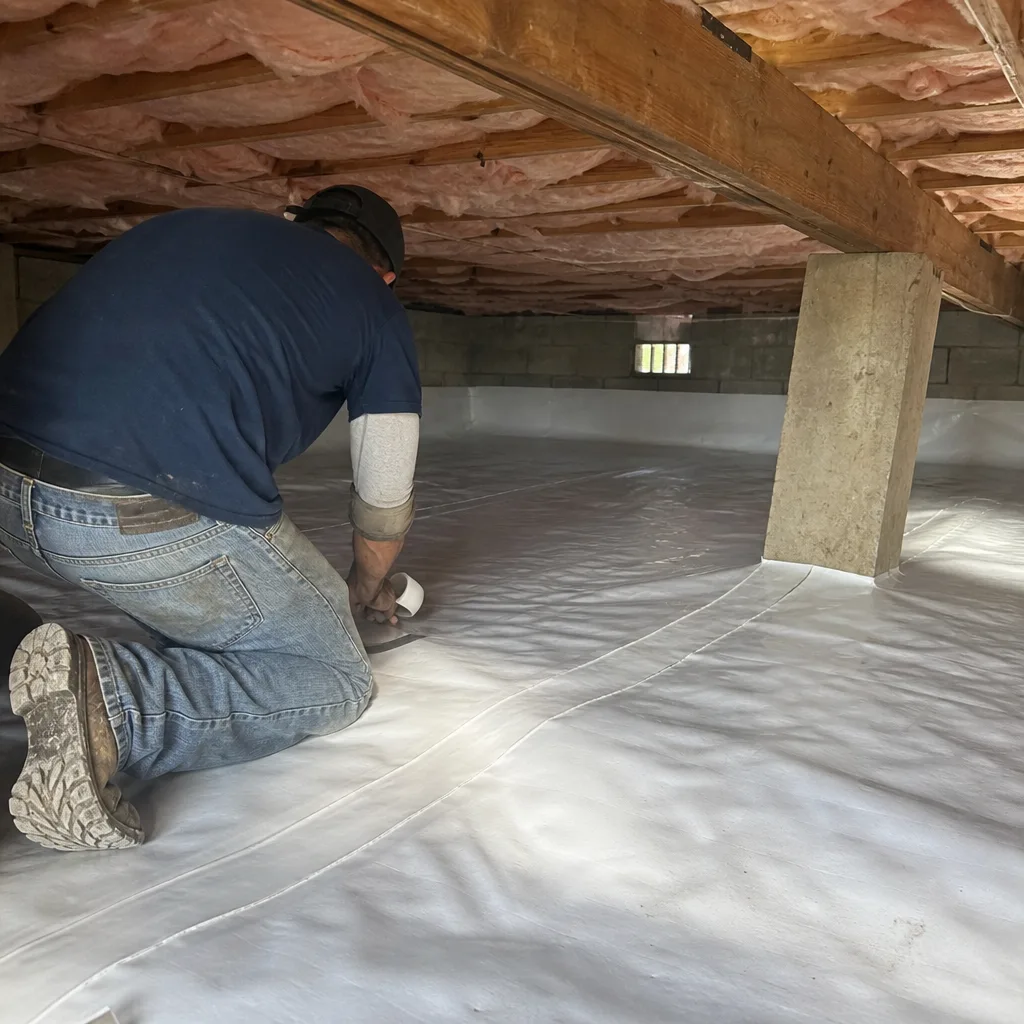
Blown-In Top-Up
Not every Castle Hills attic needs a full gut. If your existing insulation is structurally intact but has settled below code, a blown-in top-up with matching material can restore R-value for $900 to $1,800 on a typical ranch. We still inspect the air barrier first. Topping up an attic with leaking top plates in Castle Hills - where attic temperatures regularly hit 150°F - is throwing money at a sieve. Our Blown-In Insulation team will tell you straight if a top-up makes sense or if you’re past that point.
What happens when you call
- 1
A real person answersNo phone trees - you reach a local pro.
- 2
You get an upfront price rangeHonest numbers before anyone is dispatched.
- 3
A background-checked tech heads outLicensed & insured, dispatched right away.
- 4
You approve before work beginsNothing starts until you say go.
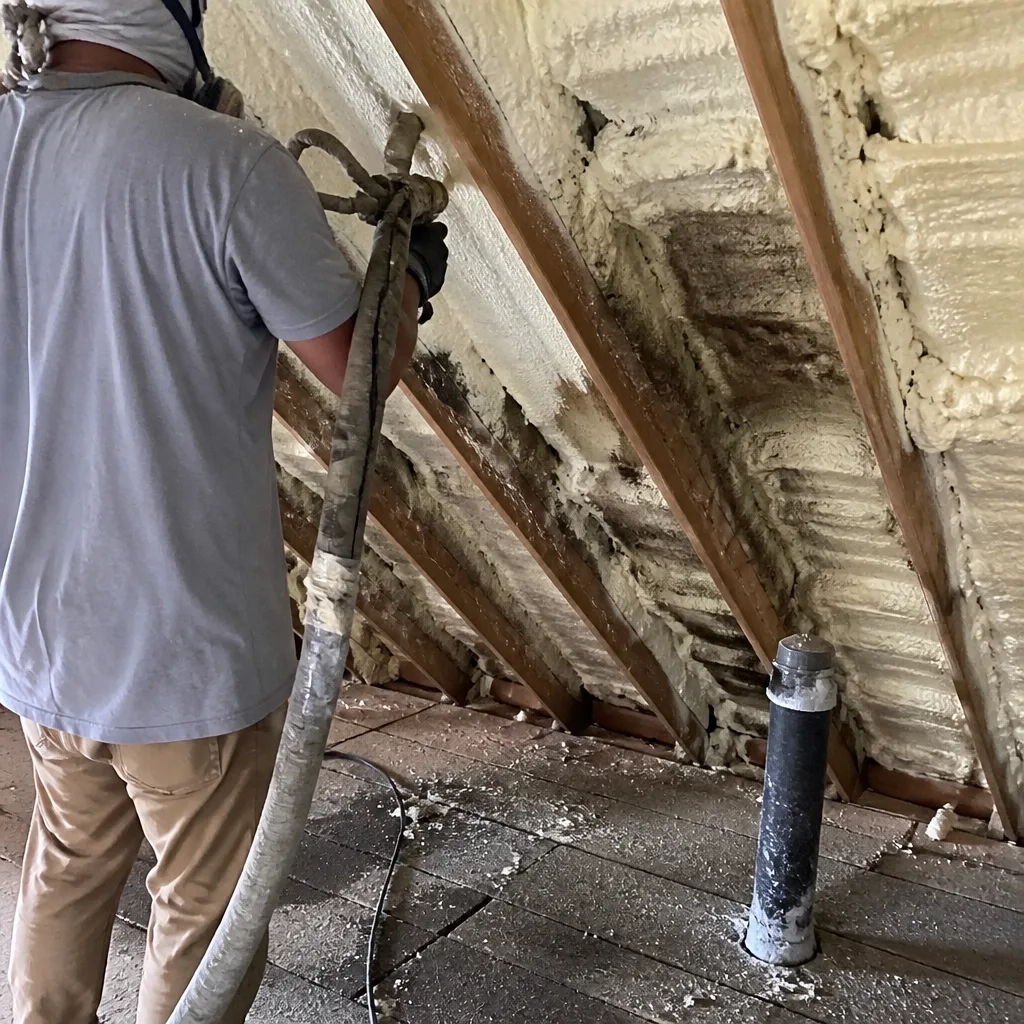 Before
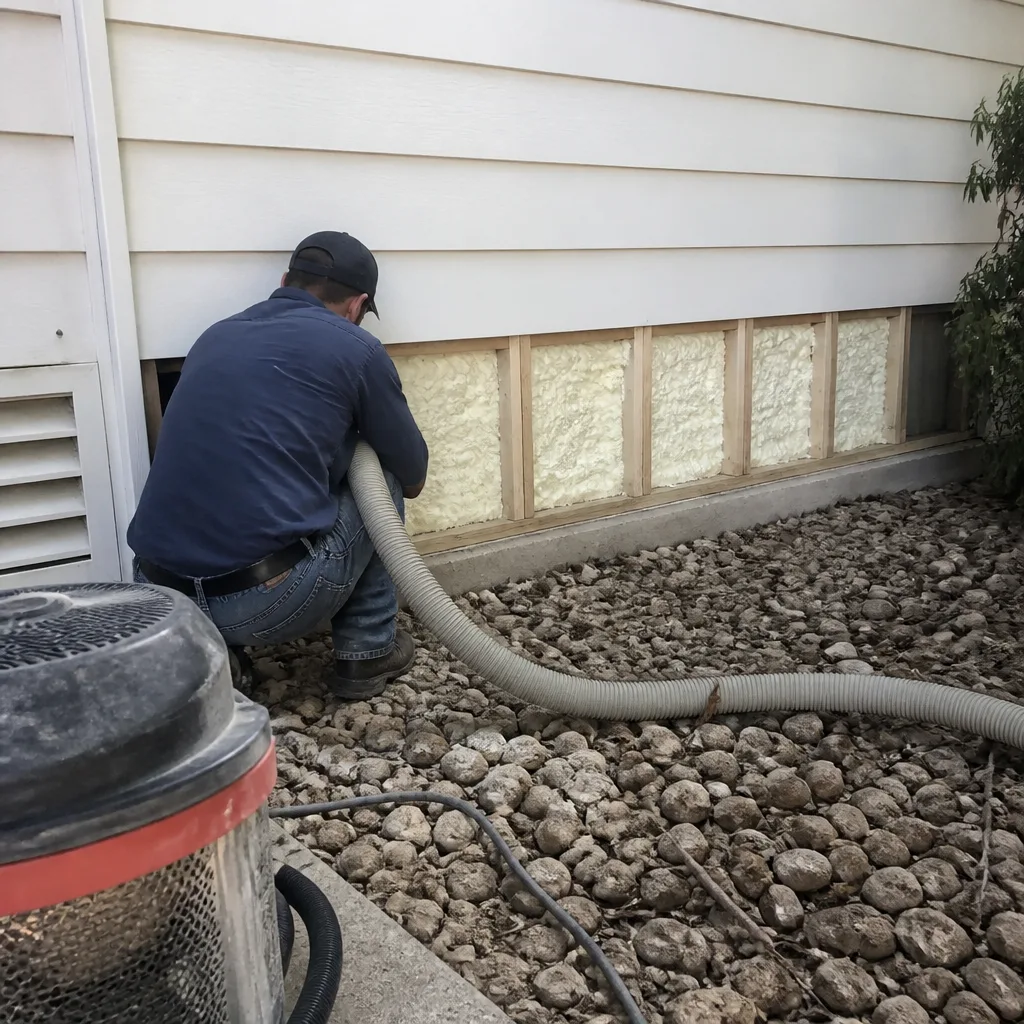 After
AfterTrusted Brands We Service in Castle Hills
We source blown-in insulation materials from Owens Corning, Johns Manville, Knauf, and GreenFiber - no proprietary lock-in, no mystery products. For Castle Hills jobs, we typically stock GreenFiber cellulose and Owens Corning fiberglass blown-in at our Dallas-Fort Worth warehouse, which means no supply-chain delays on standard ranch attic and wall jobs. If your job calls for a specific brand performance characteristic - say, Knauf’s density specs for a tricky dense-pack application on a Castle Hills retrofit - we specify it in the written scope before anyone loads a truck. You see the brand name, the R-value target, and the installed density in writing. That’s Haven Standard Clause 1.
Common Blown-In Insulation Problems We See in Castle Hills Homes
- San Antonio permits on Castle Hills jobs. Out-of-area contractors routinely pull San Antonio or Bexar County permits for insulation work in Castle Hills, not realizing it’s an independent municipality. That’s a code violation, and it surfaces as a title defect when these heavily transacted mid-century homes sell. We pull Castle Hills city permits. Every time.
- Original batts compacted to R-5 or less. The 1950s to 1970s ranch homes that dominate Castle Hills were built before meaningful energy codes. Decades of 100°F-plus summers and attic temperatures exceeding 150°F have cooked and compressed original fiberglass batts into thin, ineffective layers. A visual inspection that doesn’t probe depth misses this entirely.
- Moisture-compromised wall cavity insulation. Castle Hills ranch homes with unsealed envelopes often have wall batts that absorbed humidity through gaps in the air barrier, then sagged or molded. A simple attic blow-in leaves this untouched. Dense-pack wall insulation addresses it without drywall demolition.
- Blown-in installed without air-sealing. In Castle Hills’s extreme heat-load environment, insulation with unsealed top plates and penetrations loses effective R-value as conditioned air escapes and radiant heat pushes through gaps. The blower-door test - a pressurization reading that shows, in one number, how much air your building envelope is losing - proves the difference. We publish before-and-after numbers on every applicable job.
Pricing for Blown-In Insulation in Castle Hills, TX
Here’s what blown-in insulation costs in the Castle Hills market, based on jobs we’ve completed with written prices before work started:
| Service | Typical Range (Castle Hills) | Notes |
|---|---|---|
| Attic blow-in to R-38 (cellulose, after air-sealing) | $2,700 - $5,100 | 1,200-1,800 sq ft attic floor; includes top-plate sealing |
| Attic blow-in to R-38 (fiberglass, after air-sealing) | $2,160 - $4,320 | Same footprint; material cost differential |
| Blown-in top-up (restore settled insulation) | $900 - $1,800 | Assumes existing insulation is salvageable |
| Dense-pack wall insulation (full ranch) | $1,200 - $2,800 | Closed-cavity blow; no drywall removal |
| Combined attic + walls, single visit | $3,600 - $7,200 | Most common Castle Hills scope for 1960s ranches |
What moves you within these ranges: attic accessibility (some Castle Hills ranches have hatches too small for proper hose work), existing insulation condition, whether removal is required, and the extent of air-sealing needed before blow-in. We give you a flat written price after inspection - not an estimate that drifts. Free Second Opinion on any written estimate from another contractor. Call (737) 227-6219 to schedule.
We Also Serve Cities Near Castle Hills
Our crews run blown-in insulation jobs throughout the corridor - Castle Hills is our core market here, and we also work regularly in Canyon Lake, Bulverde, New Braunfels, and Timberwood Park. Same permitting rigor, same written price before work starts, same documented record when we leave. Dispatch coordinates from our Dallas-Fort Worth office; travel time to outlying areas is built into the schedule we commit to, not added as a surprise.
Serving Castle Hills, TX - Our Local Coverage Area
We’re based in the Castle Hills area and know this community well. Use the map below to see our service coverage - if you’re nearby, we can almost certainly help.
FAQs - Blown-In Insulation in Castle Hills
A Castle Hills permit. Castle Hills is an independent municipality completely surrounded by San Antonio, and the city requires its own building permits for insulation work. Out-of-area contractors who pull San Antonio or Bexar County permits are violating local code. That defect commonly surfaces during title searches on Castle Hills’s heavily transacted mid-century ranch homes. We pull Castle Hills city permits on every job here - it’s part of our written scope before any work starts. Call (737) 227-6219 if you want to verify permit status on a past or pending job.
Original 1950s to 1970s batt insulation in Castle Hills ranch homes was installed at minimal thickness under pre-energy-code standards, then degraded further. Decades of ambient temperatures exceeding 100°F and attic temperatures past 150°F have cooked, compacted, and in some cases crumbled the original material. We regularly probe attics near Jackson-Keller Road and Northwest Military Highway and find batts compressed to one inch or less - roughly R-5, versus the R-38 to R-60 current code recommends for this climate zone. The fix is removal, air-sealing, and fresh blown-in insulation, not a top-up over failed material.
Yes. We do this routinely. Our field vignette: we pulled a Castle Hills city permit before blowing dense-pack cellulose into the wall cavities of a 1950s single-story ranch off Northwest Military Highway, where the original batts had slumped and compacted to roughly R-5 and the low-slope roof had cooked the attic past 150°F for decades. After air-sealing the top plates, we topped the attic with GreenFiber cellulose and dense-packed the walls with Owens Corning fiberglass to restore coverage in one trip. The homeowner, who wanted no return visit, had us finish the whole envelope the same day rather than schedule a second run. Most Castle Hills homeowners prefer this. One permit. One crew. One documented record.
We specify GreenFiber cellulose for most Castle Hills attic restorations because it performs well under extreme radiant heat loads, and Owens Corning fiberglass for dense-pack wall work or moisture-sensitive applications. Johns Manville and Knauf enter the conversation for specific density or performance requirements. We name the brand, the R-value target, and the installed density in your written scope before anyone lifts a tool. No proprietary products. No bait-and-switch. The brand in your paperwork is the brand in your walls.
Three things: permitting jurisdiction, housing stock concentration, and heat-load severity. Castle Hills requires its own city permits, not San Antonio’s - a distinction out-of-area crews routinely miss. The city is dominated by 1950s to 1970s ranch homes built with minimal insulation, creating a denser concentration of envelope-restoration needs than most San Antonio neighborhoods. And the low-slope ranch rooflines common here drive attic temperatures higher than in multi-story or newer construction, making air-sealing before blow-in non-negotiable for performance. We factor all three into every Castle Hills scope. Call (737) 227-6219 for a written price that accounts for your specific home - estimates are free.
Written by Wes Okafor, Owner at Topside Attic Insulation Canyon Lake, serving Castle Hills since 2016.