
Icynene Attic Cleaning & Rodent Proofing in Canyon Lake: What to Know First
As an independent Icynene service provider, we handle attic cleaning and rodent proofing for Icynene-insulated homes in Canyon Lake with same-day or next-day scheduling in most cases. Most jobs run between $1,800 and $4,200 depending on contamination level, accessibility, and whether the foam needs selective removal to reach rodent entry points. We provide a written price before any work starts, and every job closes with a Documented Photo Record.
This page is for Canyon Lake homeowners who found droppings, nesting material, or odors in an attic sealed with Icynene open-cell or closed-cell spray foam and need the space cleaned, sanitized, and sealed against re-entry without damaging the insulation system their home depends on. Call (737) 227-6219 to schedule a free estimate.
How Icynene Products Fail - and How We Fix Them
- Icynene Classic Max (open-cell) - moisture trapping behind compromised vapor retarders. In Canyon Lake’s humid subtropical climate, Classic Max can hold moisture if the attic ventilation was undersized during original installation. We see this on homes near the lake where summer dew points stay above 70°F for weeks. Our fix: remove affected sections, dry the substrate with targeted airflow, treat for mold if present, then reinstall with corrected vapor-profile detailing.
- Icynene MD-C-200 (closed-cell) - rodent gnawing at exposed edges. Rodents don’t eat closed-cell foam, but they’ll tunnel alongside it where it meets framing. MD-C-200’s density makes it harder to compress than open-cell, which actually creates void channels rodents exploit. We cut back affected edges, install galvanized steel mesh barriers at penetration points, then re-foam with matching density.
- Icynene H2Foam Lite (open-cell) - contamination absorption in flood-prone attics. H2Foam Lite’s porous structure wicks urine and organic matter deep into the matrix; surface cleaning won’t reach it. On Canyon Lake homes with history of roof leaks or rodent activity, we map contamination depth with moisture meters, remove saturated foam in labeled sections, and replace with new material rather than attempt sanitation that won’t fully decontaminate.
- Icynene LD-C-50 (low-density open-cell) - thermal drift from rodent nesting compression. LD-C-50 loses R-value when compressed; rodents nesting on top create permanent thin spots. We don’t just add more foam over compressed areas - that traps the contamination. We remove the damaged layer, sanitize the deck, and rebuild to original thickness with matching product.
- All Icynene lines - compromised air sealing at top plate junctions after rodent exclusion work. Rodent proofing often requires disturbing the foam seal at wall-to-roof transitions. Our crews are trained to re-establish the air barrier with compatible Icynene products or approved transition sealants, then verify with smoke pencil or blower-door subset testing so the home doesn’t lose the performance it was built for.
Our Icynene Attic Cleaning & Rodent Proofing Process
- 1
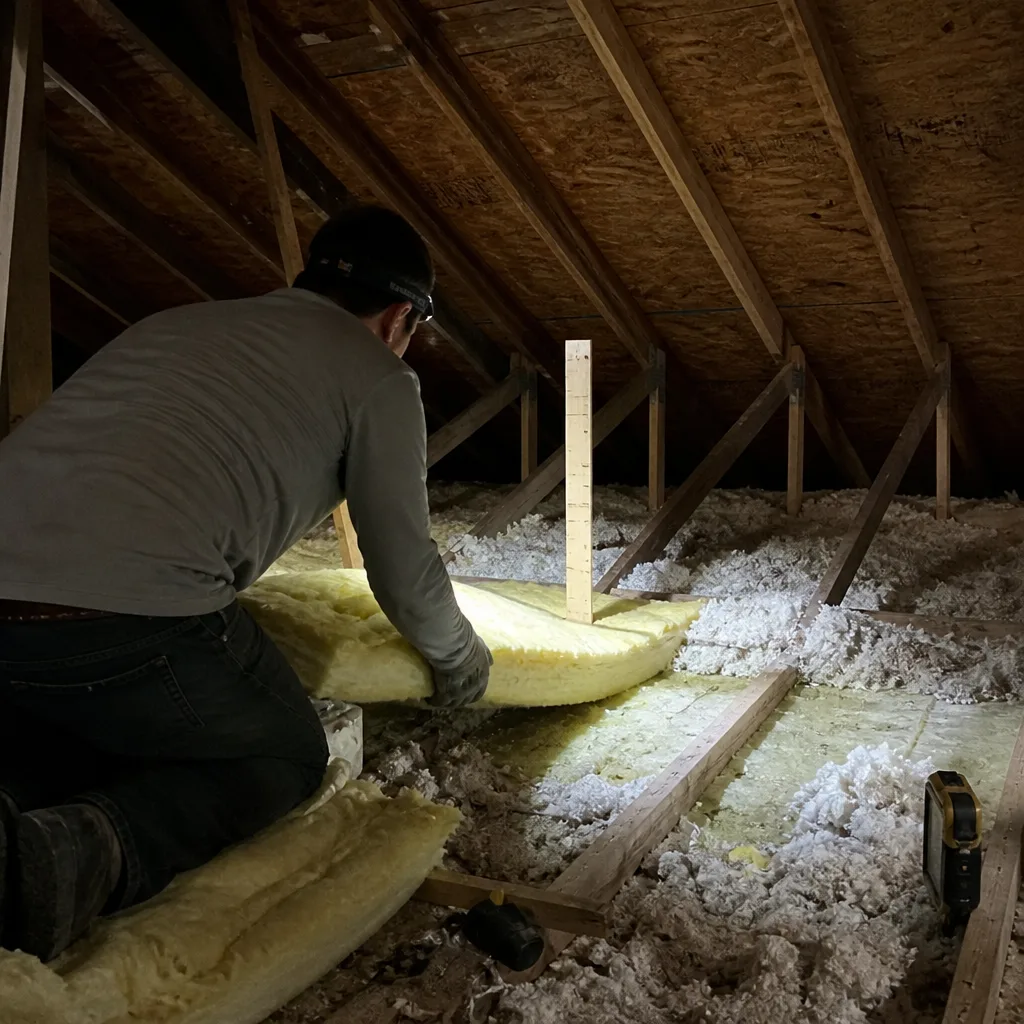
Inspection with contamination mapping. We photograph every Icynene surface, mark rodent trails, and note which foam lines are present. You get a written scope with photo references before we start.
- 2
Selective foam removal (only where necessary). We cut and bag contaminated or access-blocking foam in labeled sections so reinstallation matches original density and chemistry. No wholesale stripping unless the job demands it.
- 3
HEPA vacuuming and enzyme sanitation. All accessible surfaces, including exposed Icynene faces that remain, get HEPA vacuuming followed by botanical enzyme treatment safe for foam substrates.
- 4
Rodent exclusion with galvanized steel. We seal entry points with 19-gauge steel mesh, copper wool at weep holes, and foam-compatible sealants. For Icynene attics, we avoid standard expanding foam at new penetration seals - it doesn’t bond to existing cured foam reliably.
- 5
Foam restoration and air-seal verification. Removed sections are rebuilt with matching Icynene product or, where appropriate, a compatible aftermarket closed-cell for specific applications. We pressure-test critical junctions before closing.
- 6
Documented Photo Record delivery. Before-and-after images, material batch notes, and any blower-door subset readings are compiled and delivered within 24 hours. Seal the leaks first. Then insulate. The report tells you whether it worked.
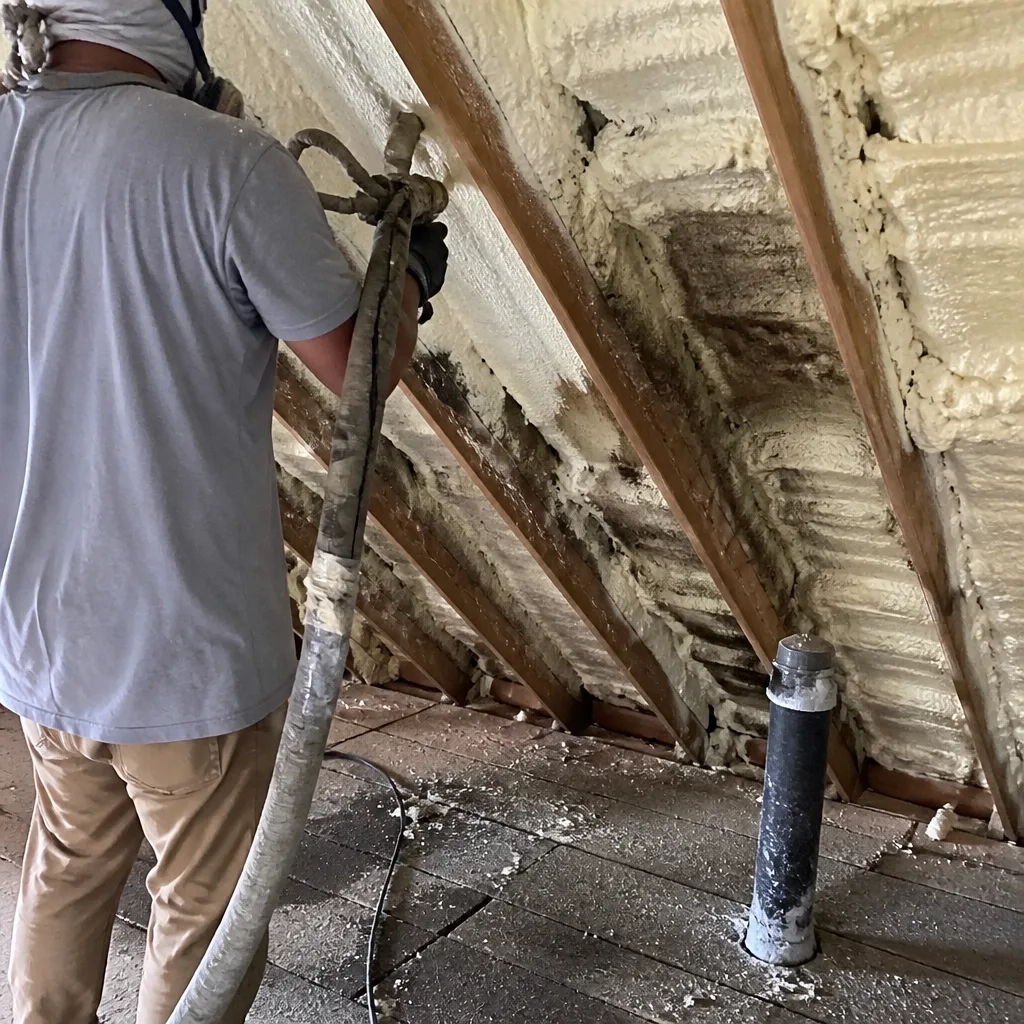 Before
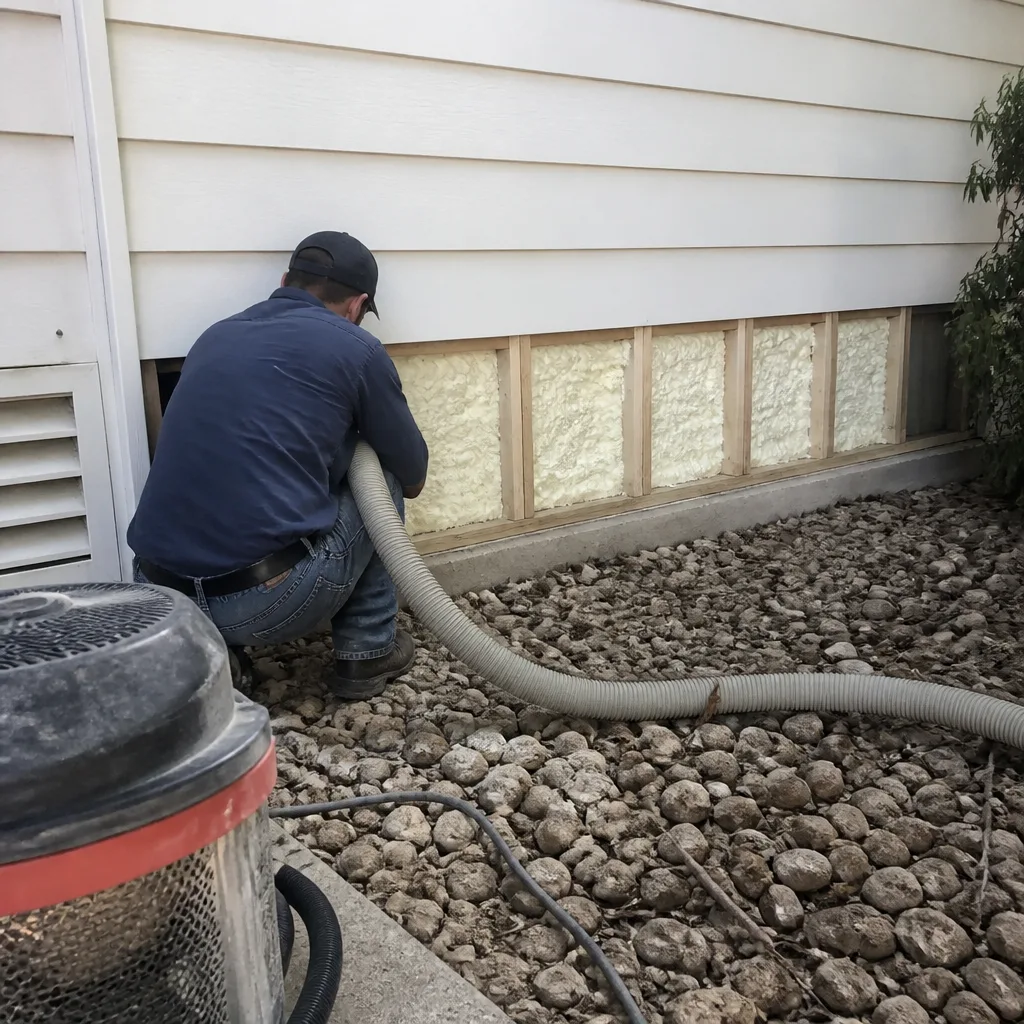 After
AfterWhat Icynene Attic Cleaning & Rodent Proofing Costs in Canyon Lake
| Scenario | Typical Range |
|---|---|
| Light contamination, no foam removal, rodent exclusion only | $1,800 - $2,600 |
| Moderate contamination with selective open-cell removal and replacement | $2,800 - $3,800 |
| Heavy contamination, full attic sanitation, extensive foam removal/rebuild | $3,800 - $5,200 |
| Added blower-door verification and air-seal restoration | $400 - $650 |
What moves the price: attic square footage, foam density (closed-cell removal takes longer), number of rodent entry points requiring structural exclusion, and whether the original Icynene installation used discontinued product lines requiring material matching. We also service Reflectix radiant barrier systems when those are present in the same attic.
Every estimate is free, written, and delivered before any work starts. Call (737) 227-6219.
Why Canyon Lake Homeowners Call Topside Attic Insulation Canyon Lake for Icynene Work
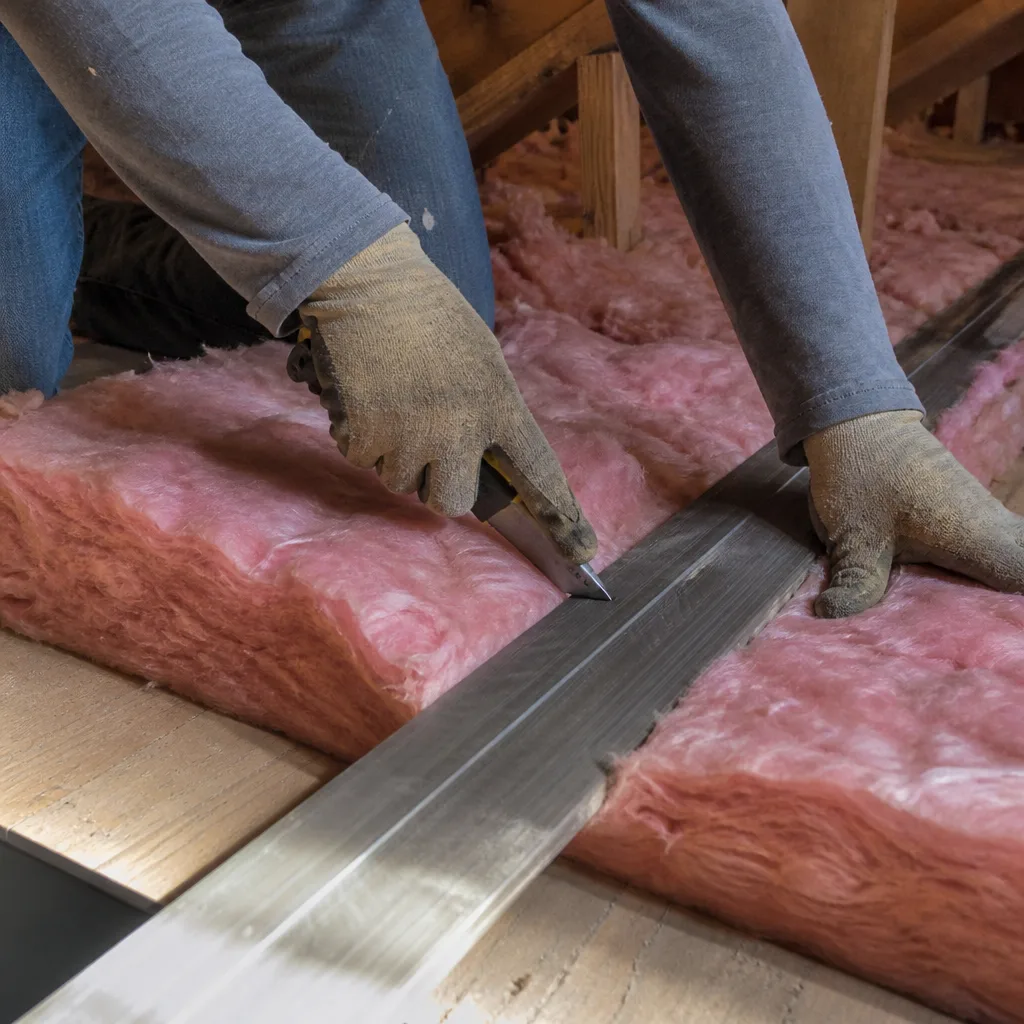
We’ve been in enough Canyon Lake attics to know that Icynene systems installed during the 2015-2019 building boom weren’t always detailed for the humidity this region actually delivers. Wes Okafor and our crew treat foam removal as a surgical procedure, not demolition - we preserve what we can, replace what we must, and document every decision.
The 365-Day Done Right Promise applies to all completed work. Our technicians are background-checked and uniformed; calls are answered by a live person, 24/7. We publish before-and-after documentation on every job so you can verify the result yourself rather than take our word for it.
FAQs
No - Icynene’s limited warranty covers product defect, not service work performed by independent contractors. However, using incompatible materials for repairs or failing to maintain proper vapor-profile detailing can create issues if you later file a product claim. We document all materials and methods so your records are clean. Call (737) 227-6219 if you need help interpreting your original warranty documents.
Most jobs complete in one to two days. Light exclusion work with no foam removal can finish in a single morning. Projects requiring extensive open-cell removal, substrate drying, and rebuild typically need a second day. We don’t rush drying phases - re-foaming over damp wood in Canyon Lake humidity guarantees callbacks.
We stock current Icynene lines and maintain supplier relationships for legacy products including discontinued open-cell densities. When exact matching isn’t available, we specify compatible alternatives with equivalent thermal and vapor performance, noted in writing before installation. We do not claim exclusive or preferred status with any manufacturer.
Repair when the foam is structurally sound and contamination is surface-level; replace when urine has wicked deep into open-cell matrix or rodent compression has permanently degraded thermal value. During inspection, we probe with moisture meters and density gauges to give you a data-based recommendation, not a sales pitch. Free estimates include this assessment.
Yes - we schedule same-day or next-day for active infestations, and a live person answers calls 24/7. We can install temporary exclusion to stop entry immediately, then return for full cleaning and foam restoration. The temporary seal buys time without committing to incomplete work.
Written by Wes Okafor, Owner & Lead Insulation Technician, Topside Attic Insulation Canyon Lake at Topside Attic Insulation Canyon Lake, serving Canyon Lake and nearby areas.