
Icynene Blown-In Insulation in Canyon Lake: What to Know First
We provide independent Icynene blown-in insulation service in Canyon Lake, typically completing attic retrofits and top-up jobs in a single day with a written price locked before any work starts. Most Icynene systems we encounter in this market are running 15-25 years old, and the honest truth is that some need targeted air-sealing repair before new blown-in material goes in, while others need full removal and replacement. We’re not going to sell you a top-up if your existing Icynene open-cell foam has degraded into a dust-collecting sponge above your ceiling. Call (737) 227-6219 for a free estimate with a written scope.
This page is for Canyon Lake homeowners who know they have Icynene insulation in their attic or walls and need to know whether it can be supplemented with blown-in material, whether it needs repair first, or whether it’s past saving. If your energy bills climbed after a quiet winter or your upstairs rooms won’t cool below 78 in July, the Icynene is usually confessing something.
How Icynene Products Fail - and How We Fix Them
- Icynene Classic Max (open-cell, MD-R-200 series) - moisture absorption and density collapse. The Classic Max line installed in Canyon Lake homes between roughly 2005 and 2015 was formulated at a lower density than current specs, and in our hot-humid climate that foam can take on moisture over time, especially if the attic ventilation was marginal to begin with. We see this most often in homes near the lake where overnight humidity stays elevated. Our fix: we remove the degraded foam, seal the deck and top plates with closed-cell Icynene or targeted air-sealing, then blow in fresh material at the correct depth for your zone.
- Icynene ProSeal Eco (closed-cell, HFO-blown) - delamination from substrate in metal-building or conditioned attic applications. ProSeal Eco bonds aggressively when applied correctly, but if the original crew sprayed over dusty OSB or in conditions outside manufacturer spec, the foam can pull away from the deck in sheets. We find this during our blower-door test - a pressurization reading that shows, in one number, how much conditioned air your building envelope is losing. The fix is surgical: we cut back the delaminated sections, re-prime the substrate, and fill with compatible closed-cell before blowing in the balance.
- Icynene LD-C-50 (low-density open-cell in walls) - shrinkage creating convection channels. This wall-foam series can pull slightly away from studs during cure, especially in the deep wall cavities common in 1990s Canyon Lake builds. Blown-in dense-pack cellulose or fiberglass over the top without addressing those channels just traps hot air. We dense-pack the cavities properly after sealing the gaps, or we remove and re-foam if the shrinkage is extensive.
- Icynene Water Blown Series (legacy open-cell) - thermal drift and R-value degradation. Early water-blown open-cell Icynene can lose R-value over 10-15 years as the blowing agents off-gas and the cell structure opens further. In Canyon Lake’s cooling-dominated climate, that means your attic is underperforming even if it looks intact. We test with infrared during our initial walk to find the weak zones, then calculate whether a blown-in top-up over sealed areas or full replacement is the better spend.
- Icynene Touch ‘n Seal canned foam (perimeter and penetration sealing) - UV and heat breakdown at roof penetrations. The canned foam used to seal around vents, flues, and chimney chases wasn’t meant to face attic temperatures for two decades. It gets brittle, cracks, and creates bypasses that make any blown-in insulation above it nearly pointless. We pull the old foam, seal with proper fire-rated materials where code requires, then blow in the new insulation.
Our Icynene Blown-In Insulation Process
- 1
Call and schedule. A live person answers 24/7. We book a diagnostic visit, and you’ll get a text when your technician is en route.
- 2
Blower-door test and attic inspection. We pressurize the house to measure CFM50 - the total air leakage - then inspect the Icynene condition, substrate adhesion, and moisture content. Wes Okafor and his crew have logged enough attics in this area to spot a failing Classic Max installation by the dust pattern alone.
- 3
Written scope and price. Before any work starts, you get a flat price, a written scope of work, and a written warranty. Haven Standard Clause 1: no surprises.
- 4
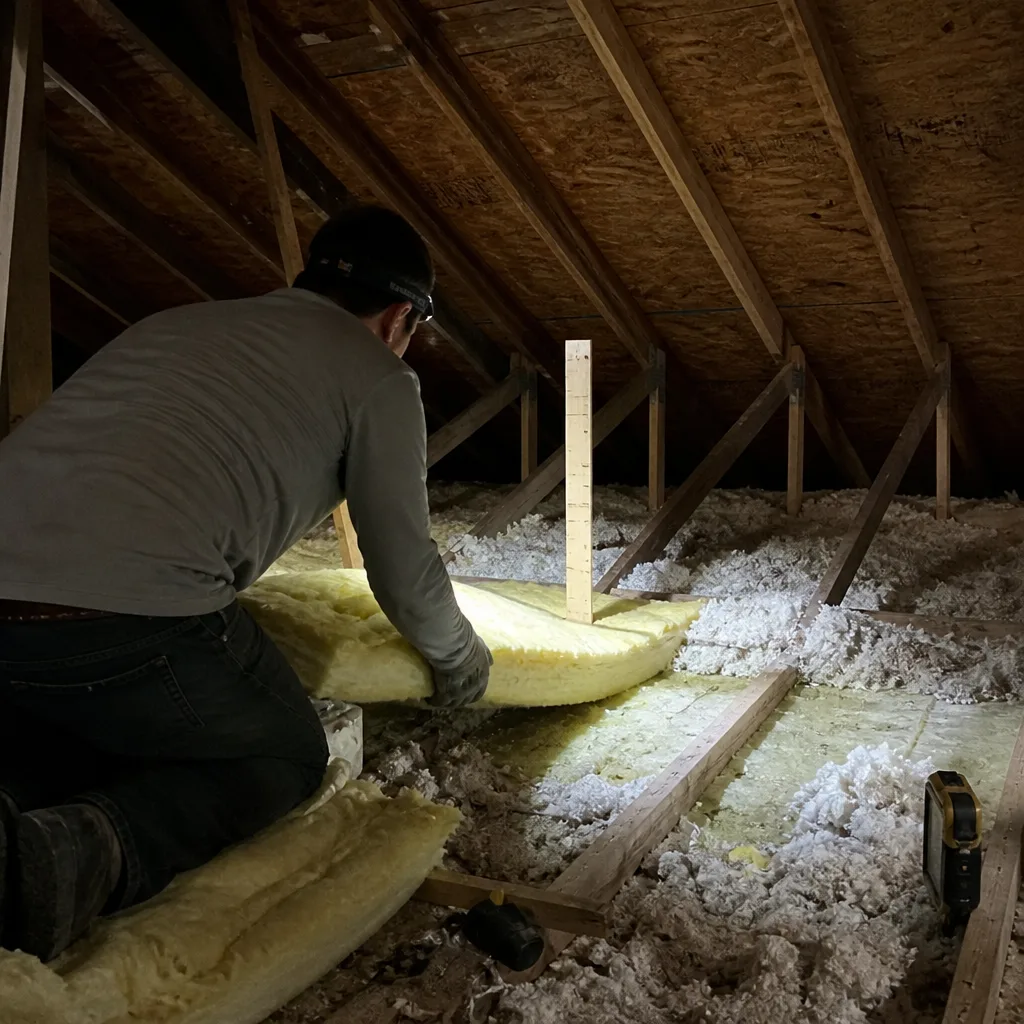
Air sealing first, then insulation. We seal top plates, can lights, penetrations, and any Icynene repair zones before a single bag of blown cellulose or fiberglass goes in. Seal the leaks first. Then insulate. The report tells you whether it worked.
- 5
Installation and documentation. We blow to the specified depth, mark rulers, and photograph the completed work. On applicable jobs, we run the blower-door test again and hand you a printed pre- and post-install report.
- 6
365-Day Done Right Promise. If it’s not done right, we make it right. The documented photo record and blower-door numbers are your proof of performance.
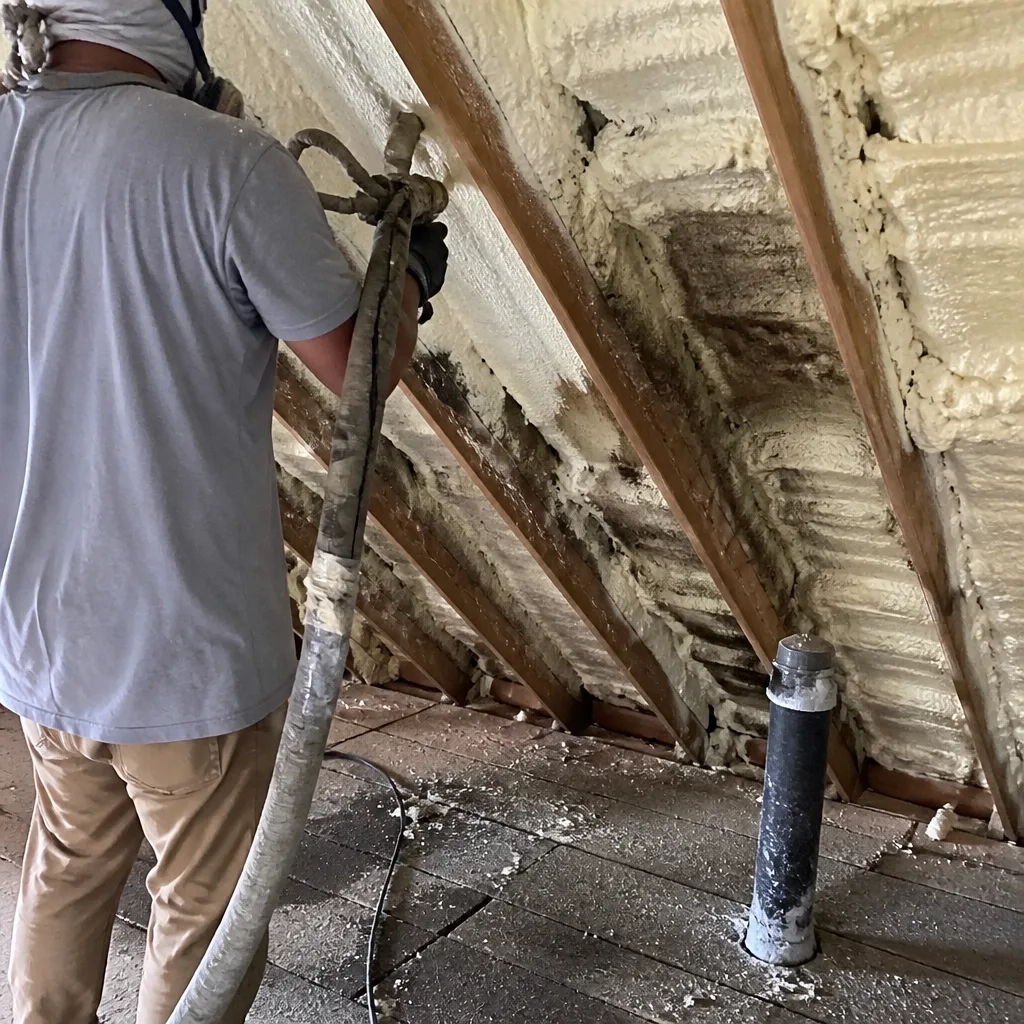 Before
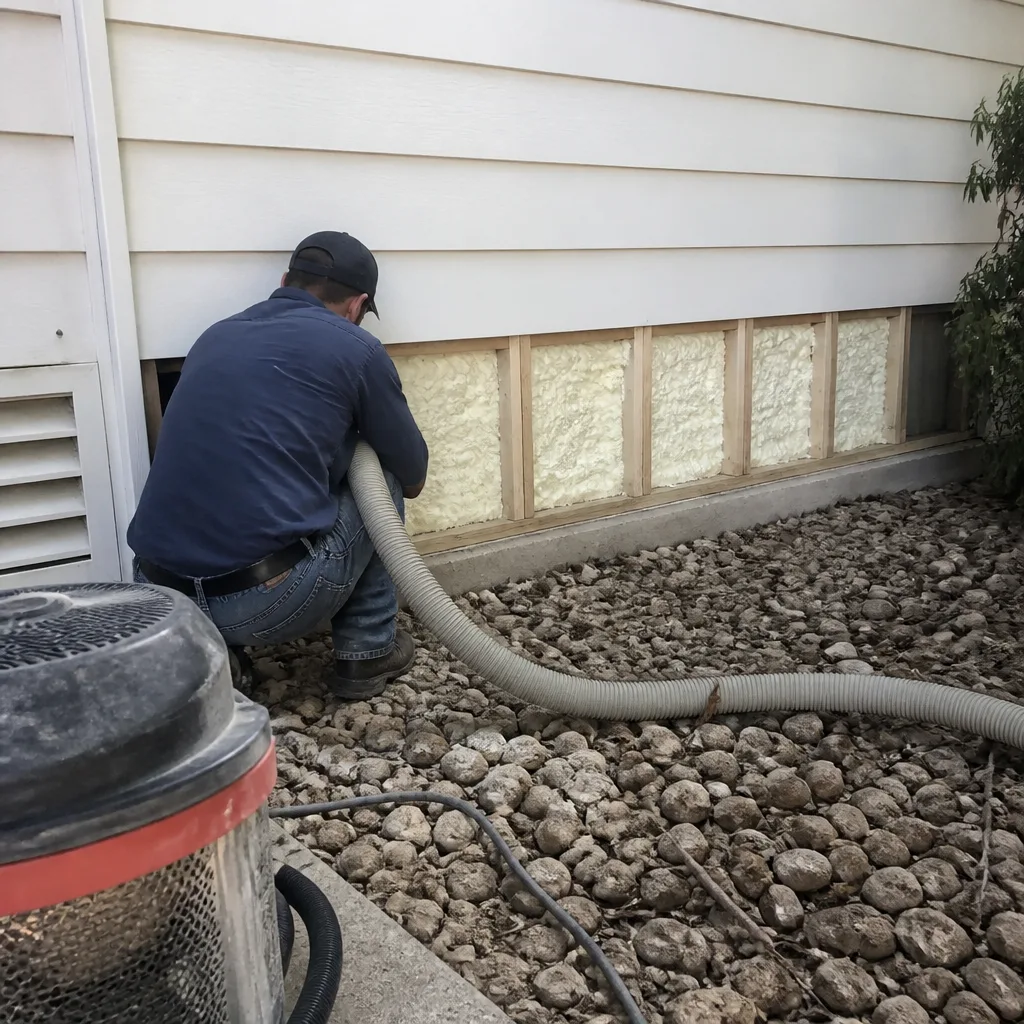 After
AfterWhat Icynene Blown-In Insulation Costs in Canyon Lake
Most Icynene blown-in insulation jobs in Canyon Lake run between these ranges:
| Attic top-up over intact Icynene (air-sealed, 1,500-2,500 sq ft) | $1,800 - $3,200 |
| Attic removal of degraded Icynene + re-insulation with blown-in | $4,500 - $7,800 |
| Dense-pack wall insulation (Icynene repair + blown-in fill) | $2,200 - $4,100 |
| Conditioned attic conversion (Icynene repair + full re-blow) | $6,500 - $11,000 |
What moves the price: accessibility (steep pitches and tight scuttles add labor), the condition of existing Icynene (removal is dusty, slow work), whether we need to bring in scaffolding for cathedral ceilings, and your target R-value. Homes near the Cranes Mill Road corridor with original 1980s-1990s construction often need more extensive top-plate sealing than newer builds. We also service Reflectix systems and can quote hybrid approaches if that’s what your envelope needs.
Call (737) 227-6219 for a free estimate - we’ll read any competing written quote with you as a free second opinion.
Why Canyon Lake Homeowners Call Topside Attic Insulation Canyon Lake for Icynene Work
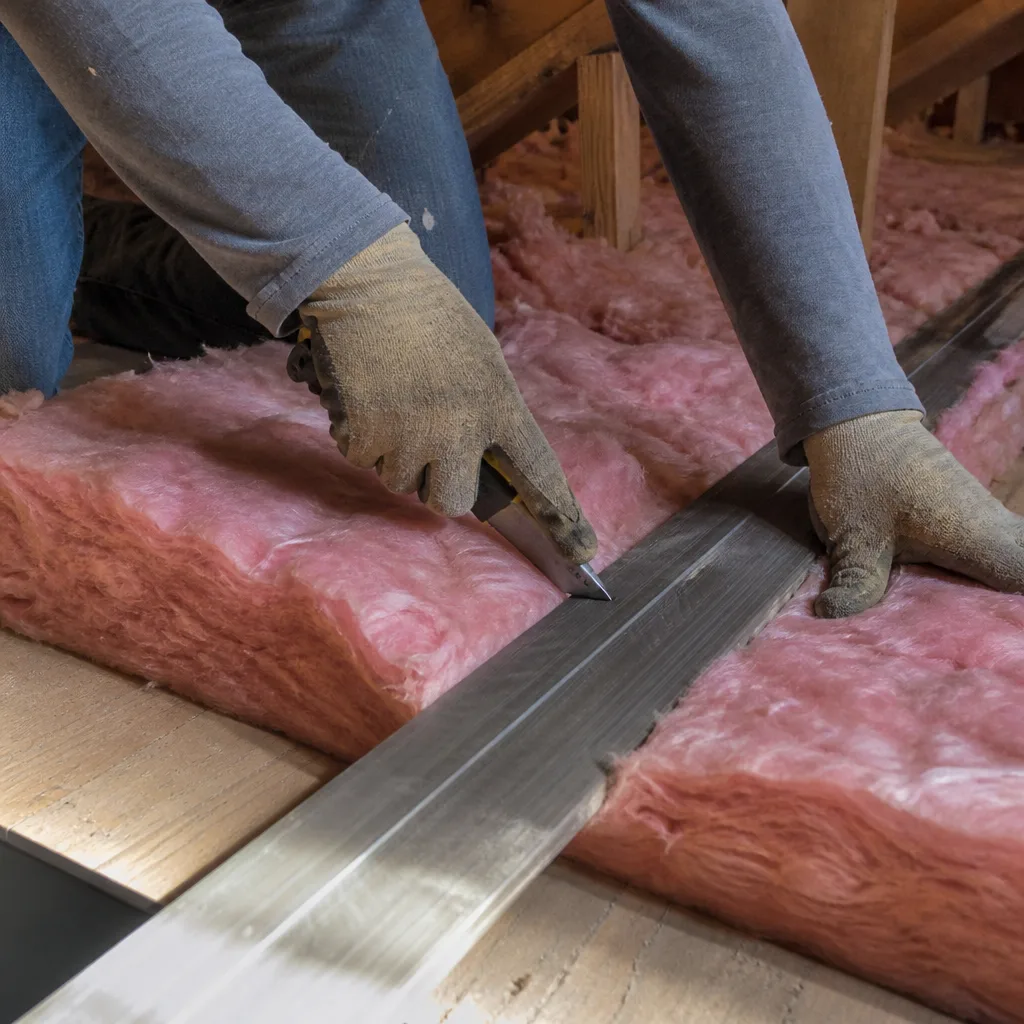
We’ve sealed and insulated over 9,000 homes since 2016, and the ones in Canyon Lake teach you something specific about how hot-humid climates punish insulation that was installed without thinking about what happens when the dew point sits above the ceiling for five months straight. Our technicians are background-checked, uniformed, and trained to recognize Icynene series by sight and density - not all contractors can tell Classic Max from ProSeal Eco without cutting a sample. We don’t carry proprietary product lock-in; our materials come from Owens Corning, Johns Manville, Knauf, Rockwool, CertainTeed, Icynene, Demilec, and GreenFiber, so we specify what works, not what we’re obligated to move. Every job closes with a Documented Photo Record and, where applicable, printed blower-door numbers. The 365-Day Done Right Promise is in writing before anyone lifts a tool.
FAQs
No - adding compatible blown-in insulation over properly installed Icynene does not void the original foam warranty, but the warranty only covers the foam itself, not the overall system performance. As an independent Icynene service provider, we document the existing foam condition before we add anything, so if a future claim arises, you have a dated photo record of what was intact and what wasn’t. Call (737) 227-6219 and we’ll review your situation.
We typically schedule diagnostic visits within 48 hours, and most blown-in installations are completed in one day once the scope is approved. Emergency situations - like a roof leak saturating Icynene open-cell foam - get same-day assessment. A live person answers calls 24/7, so you’re not waiting for a callback window measured in business days.
Repair is cheaper when the Icynene is still well-adhered, dry, and covering at least 80% of the intended surface with no significant density loss. Removal and replacement is the better spend when we find moisture damage, delamination exceeding 30% of the area, or thermal drift below R-3.5 per inch in open-cell. We give you both numbers in writing and let the math decide. Call for a free estimate.
We use OEM Icynene foam for repairs and patches where color match, density spec, and warranty continuity matter. For blown-in supplementation, we specify the best-fit material from our multi-brand inventory - Johns Manville, Knauf, GreenFiber - based on your target R-value, fire-safety requirements, and budget. We never lock you into a proprietary product.
On applicable jobs, we run a blower-door test before and after - a pressurization diagnostic that measures how much conditioned air your house is losing, expressed in CFM50. The printed report shows the number dropped, and your energy bills over the next two billing cycles confirm it in dollars. If the post-install number doesn’t meet the written target in our scope, we find out why and fix it under the 365-Day Done Right Promise.
Ready to find out what your Icynene is actually doing up there? Call (737) 227-6219 for a free estimate with a written price before any work starts. We’ll bring the blower door, the camera, and the numbers. You bring the questions.
Written by Wes Okafor, Owner & Lead Insulation Technician, Topside Attic Insulation Canyon Lake at Topside Attic Insulation Canyon Lake, serving Canyon Lake and nearby areas.