
Johns Manville Vapor Barrier Installation: The Canyon Lake Owner’s Guide
Johns Manville vapor barrier installation in Canyon Lake typically runs $1,800-$3,400 for a full crawl space or basement application, depending on square footage and whether the existing barrier needs complete removal. We stock JM-coated poly sheeting in 6-mil and 10-mil grades on our Canyon Lake trucks, and most residential jobs are completed in a single day. Homeowners usually discover the failure when their crawl space starts smelling musty in May, their hardwood floors cup near exterior walls, or their dehumidifier runs nonstop through a Comal County summer that never used to require one.
Which Johns Manville Models This Applies To
Johns Manville does not sell vapor barriers as standalone “models” like an HVAC unit; instead, they produce coated polyethylene sheeting in specified mils and widths, often sold through distribution as JM Vapor-Check or JM Poly-Coat rolls. The compatibility question is about matching the existing material’s thickness and permeance rating to what your crawl space or slab edge actually needs.
Check what’s currently down there: 6-mil black poly is the minimum code baseline in most of Texas, but in Canyon Lake’s clay-heavy soils where groundwater wicks upward through crawl space gravel, we typically spec 10-mil or higher. Look for a printed JM logo and mil rating on the edge of the existing sheeting, or measure with a caliper if the printing has worn off. The OEM-versus-aftermarket decision here is straightforward: JM-coated poly is a commodity product, and we source identical-spec material from multiple mills including Johns Manville, but we never install uncoated “builder grade” poly that degrades in UV exposure within two years. If your existing barrier was installed before 2015, it may be uncoated polyethylene that has become brittle and started flaking; that’s not a JM-specific failure, it’s a material-generation problem we see constantly in Canyon Lake homes built during the 2003-2008 construction boom.
Signs Your Johns Manville Vapor Barrier Installation Is Failing
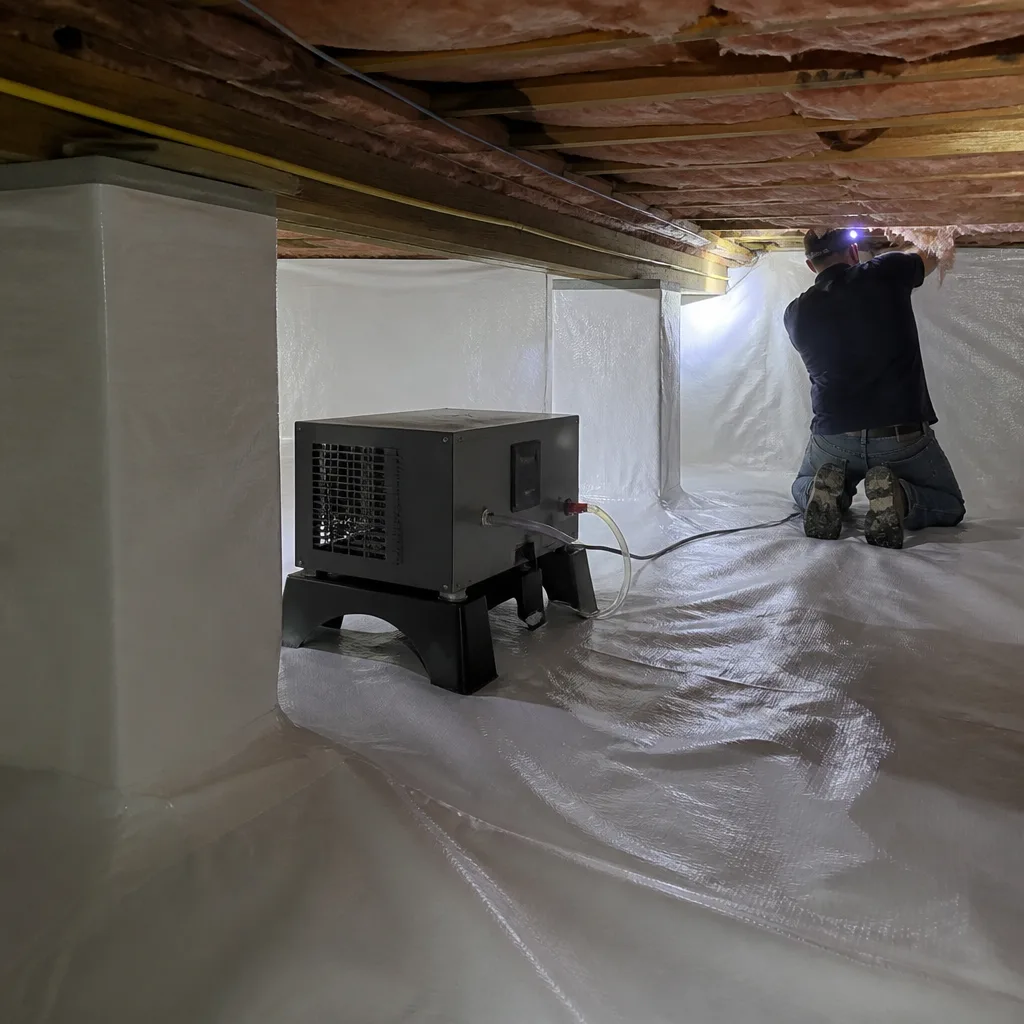
- Musty odors rising through floor registers. When the vapor barrier develops tears or the seams separate, soil gas and moisture pass straight into the conditioned envelope. In Canyon Lake’s lake-effect humidity zones, this happens faster than in drier Hill Country locations just west of the 306.
- Cupping or buckling hardwood floors, especially near exterior walls. Moisture migrating upward through an compromised barrier raises the wood’s moisture content above 12 percent. We’ve measured 18-22 percent MC in failing installations around the Startzville area where the barrier was installed with no overlap at seams.
- Condensation on ductwork or plumbing lines in the crawl space. This means the dew point is being reached inside the crawl space, which a properly sealed vapor barrier should prevent. The JM coating is specifically designed to hold a low permeance rating (0.1 perms or less) even at the 95-degree surface temperatures common in Canyon Lake crawl spaces during August.
- White or gray mold on floor joists or sill plates. This is past the warning stage. The barrier has failed completely in those zones, and the wood moisture content has supported fungal growth. We document this with photos before touching anything, because your insurance adjuster will want dated evidence.
- Increased energy bills with no change in thermostat setting. A humid crawl space forces your HVAC to work harder dehumidifying air that should have stayed dry. We’ve seen blower-door readings shift by 300-500 CFM50 in homes where the vapor barrier failure created a moisture-driven stack effect pulling outdoor air through rim joists.
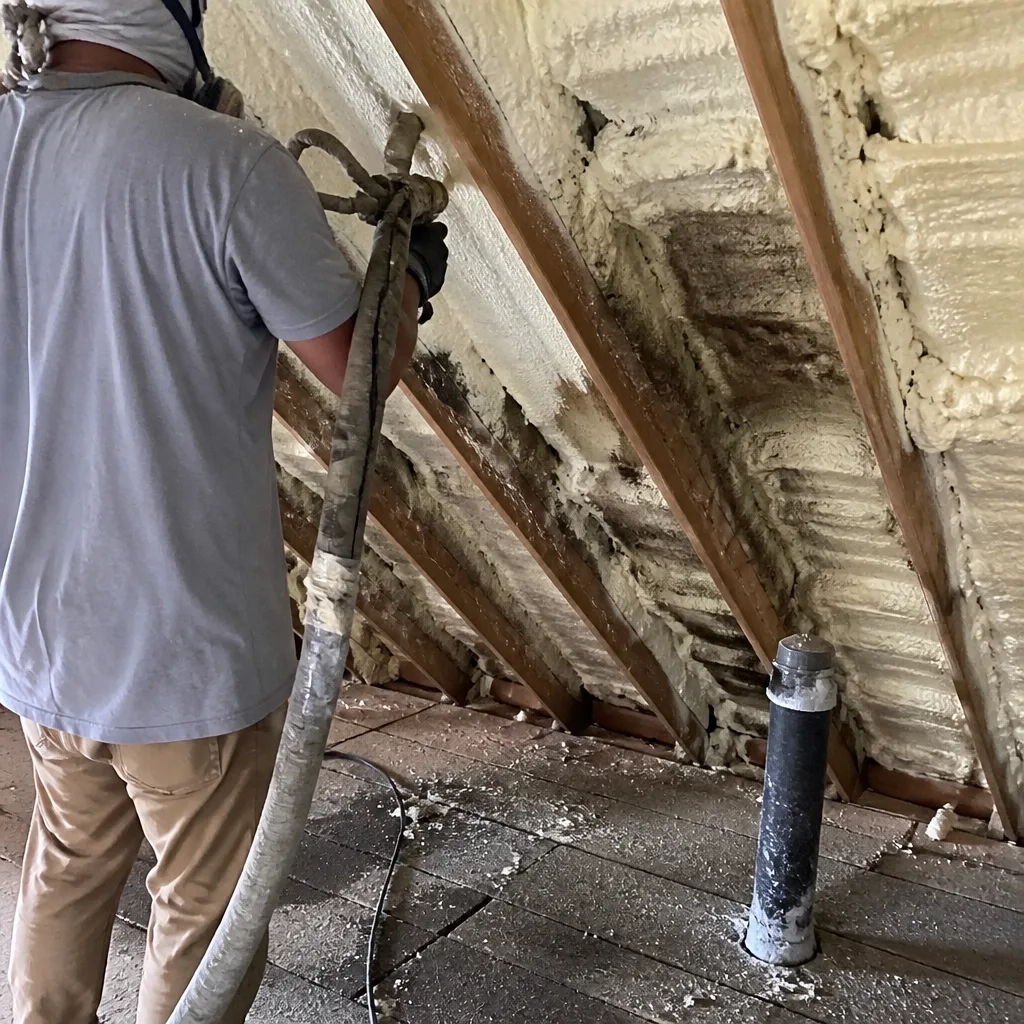 Before
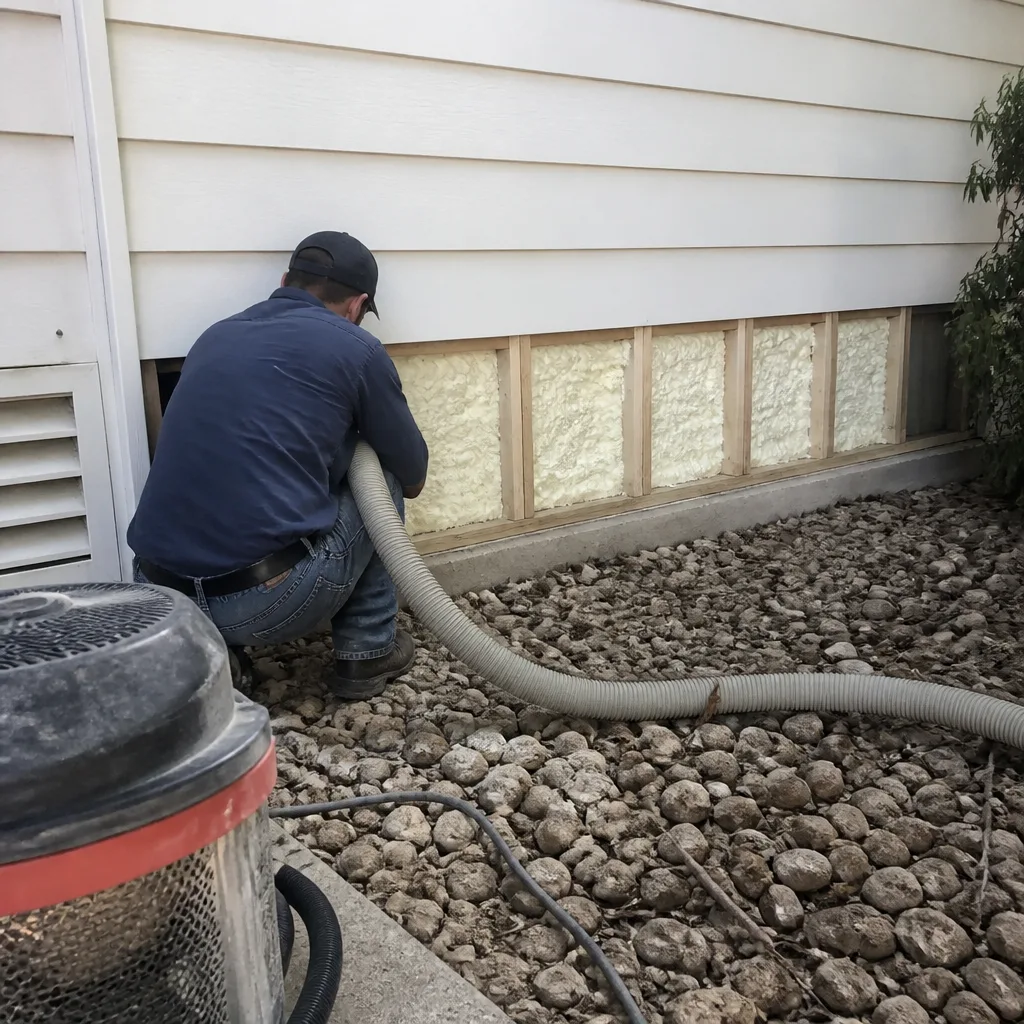 After
AfterReplacement Cost & What’s Included
Most full vapor barrier replacements in Canyon Lake run $1,800-$3,400 installed. Here’s how that breaks:
| Scope Element | Typical Range |
|---|---|
| 6-mil JM-compatible poly, full crawl space (1,000-1,500 sq ft) | $1,800-$2,400 |
| 10-mil JM-compatible poly, same footprint | $2,200-$2,900 |
| Complete removal of failed existing barrier | $300-$600 |
| Seam sealing with JM-approved tape, full perimeter | Included in base |
| Pier wrapping and overlap at foundation walls | $200-$400 additional |
The price moves with three factors: crawl space height (less than 18 inches requires different crew deployment), how much of the old barrier has degraded into fragments that must be scraped rather than rolled, and whether we find standing water that needs a drainage assessment first. We give you a written price before any work starts, always, and that price includes the Documented Photo Record you’ll receive at completion. The 365-Day Done Right Promise covers all vapor barrier work, and we publish before-and-after moisture readings when a hygrometer is part of the job scope.
DIY or Call Us?
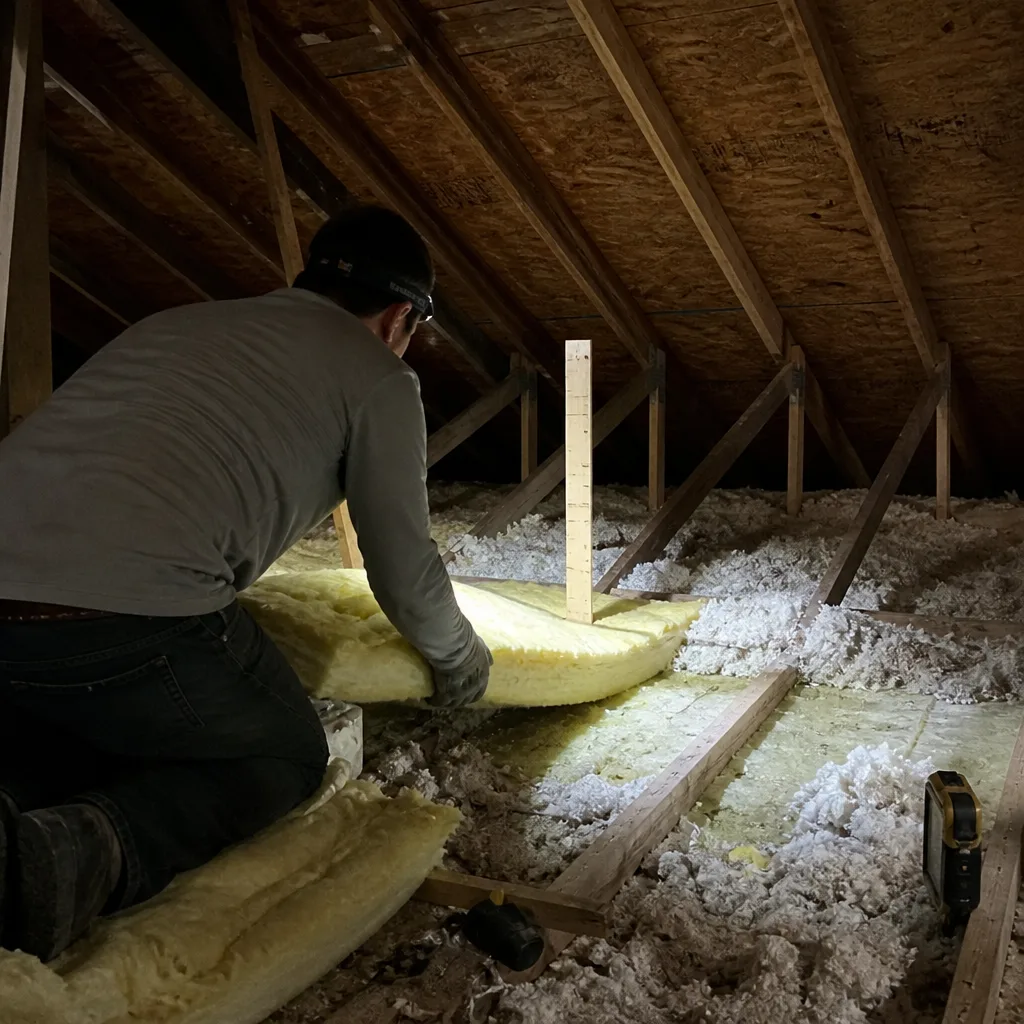
Here’s what you can safely check yourself: look for the JM printing on your existing sheeting, measure a few square feet to estimate total area, and photograph any tears, mold, or standing water for reference. Do not enter the crawl space if you smell gas, see exposed wiring in standing water, or have respiratory conditions; soil gas accumulation in a confined crawl space is a genuine hazard.
Where DIY goes wrong: vapor barrier installation looks like unrolling plastic, but the failure points are always at seams, perimeter attachment, and pier wraps. JM-coated poly requires specific overlap (12 inches minimum at seams, 6 inches up foundation walls) and mechanical fastening at the perimeter that most homeowners don’t have the right staples or cap nails for. Worse, installing a new barrier over an unsealed crawl space traps existing moisture against the soil and accelerates mold growth. We run a moisture reading before we start, and we won’t install over conditions that will fail the barrier from underneath. If your energy bills are higher than your mortgage, the attic is usually confessing something, but the crawl space is often the accomplice. Call (737) 227-6219 and we’ll read the whole envelope, not just the plastic on the ground.
FAQs
Properly installed JM-coated 10-mil poly lasts 15-20 years in Canyon Lake’s climate, but we’ve seen 6-mil uncoated material fail in 5-7 years when installed with inadequate seam sealing or in high-groundwater zones near the lake. The clay soils around Canyon Lake hold moisture longer than rocky Hill Country substrates, so perimeter drainage matters as much as the barrier itself. Call (737) 227-6219 for a moisture assessment that tells you whether your current installation is on track.
Small tears under two square feet can be patched with JM-compatible tape if the surrounding material is still supple and the seam overlap is intact. If the poly has become brittle, chalky, or shows multiple failures, patching is false economy; the material is degrading uniformly and new tears will follow. We don’t sell patch jobs on material that’s past its service life. Call (737) 227-6219 for an honest read on whether your barrier is patchable or due for replacement.
Most residential crawl spaces in Canyon Lake are completed in one day, with crews arriving between 8 and 9 a.m. and finishing by late afternoon. Jobs requiring full removal of a fragmented old barrier, or crawl spaces under 18 inches in height, may extend to a second day. We give you a written schedule with the written price, and we text when the crew is en route.
Yes. We carry JM-compatible 6-mil and 10-mil coated poly in 12-foot and 16-foot widths, plus the seam tape and mechanical fasteners specified for JM installations. We also stock Reflectix radiant barrier for jobs where the crawl space or attic needs both moisture control and heat reflection. If your job requires a custom width or a higher mil rating, we order it with next-day availability from San Antonio distribution. Call (737) 227-6219 to confirm stock for your specific footprint.
Topside Attic Insulation Canyon Lake is an independent service provider, not affiliated with Johns Manville. We source JM-compatible materials through standard distribution channels and install to manufacturer specifications without exclusive or preferred brand arrangements.
Seal the leaks first. Then insulate. The report tells you whether it worked.
Ready to stop the moisture migration? Call (737) 227-6219 for a free estimate with a written price before any work starts, and ask about our Free Second Opinion if you’ve already got a competing quote in hand. We serve Canyon Lake, Startzville, Cranes Mill, and the full Comal County corridor.
Written by Wes Okafor, Owner & Lead Insulation Technician, Topside Attic Insulation Canyon Lake at Topside Attic Insulation Canyon Lake, serving Canyon Lake and nearby areas.