
Owens Corning Crawl Space Encapsulation: The Canyon Lake Owner’s Guide
Most Owens Corning crawl space encapsulation systems we install in Canyon Lake run between $2,800 and $5,400 for a complete vapor barrier and sealing job on a typical 1,200-2,000 square foot footprint, and we stock the 6-mil and 10-mil reinforced polyethylene sheeting plus seam tape and mastic on our trucks for same-day starts. If you’re seeing white mineral deposits on block walls, smelling mustiness that your HVAC distributes through the whole house, or watching your dehumidifier run non-stop through a Canyon Lake July, the encapsulation layer has likely breached at a seam or the original installer left gaps at the piers. We see this pattern regularly in homes built between 2005 and 2015 around the Startzville and Hancock areas, where crawl spaces were vented to the outside and the summer humidity load simply overwhelmed whatever thin plastic was originally tacked down.
Which Owens Corning Models This Applies To
Owens Corning does not sell crawl space encapsulation as a branded system with model numbers like their roofing or attic insulation lines. What we encounter in Canyon Lake homes is Owens Corning Foamular rigid foam board (the pink XPS, typically 1-inch or 2-inch) installed on crawl space walls as part of a hybrid encapsulation, or Owens Corning ProPink blown-in fiberglass used in band-joist areas above a failed vapor barrier. The actual encapsulation layer is usually generic polyethylene, but when an Owens Corning material is present, we match the R-value and vapor permeance precisely.
To identify what you have, check the rim joist for pink Foamular boards with the Owens Corning logo and density rating (typically 25 PSI compressive strength for below-grade use). The vapor barrier itself should be stamped with its mil thickness and ASTM E1745 Class A, B, or C rating. Class A is 10-mil minimum and what we specify for Canyon Lake’s clay-heavy soils and seasonal water table shifts. Class C, at 6-mil, is what we pull out most often - it tears on sharp limestone fragments common in Comal County crawl spaces.
We also stock Reflectix bubble-foil insulation for homeowners who want a radiant barrier component on crawl space walls, though we typically recommend against it in our humid climate where condensation can form on the foil surface. Our preference for Owens Corning-compatible jobs is to source the Foamular directly through our Owens Corning distributor and pair it with a 10-mil reinforced poly vapor barrier from our standard stock. We’re an independent service provider, not affiliated with Owens Corning, so we have no obligation to push proprietary components that don’t fit your specific condition.
Signs Your Owens Corning Crawl Space Encapsulation Is Failing
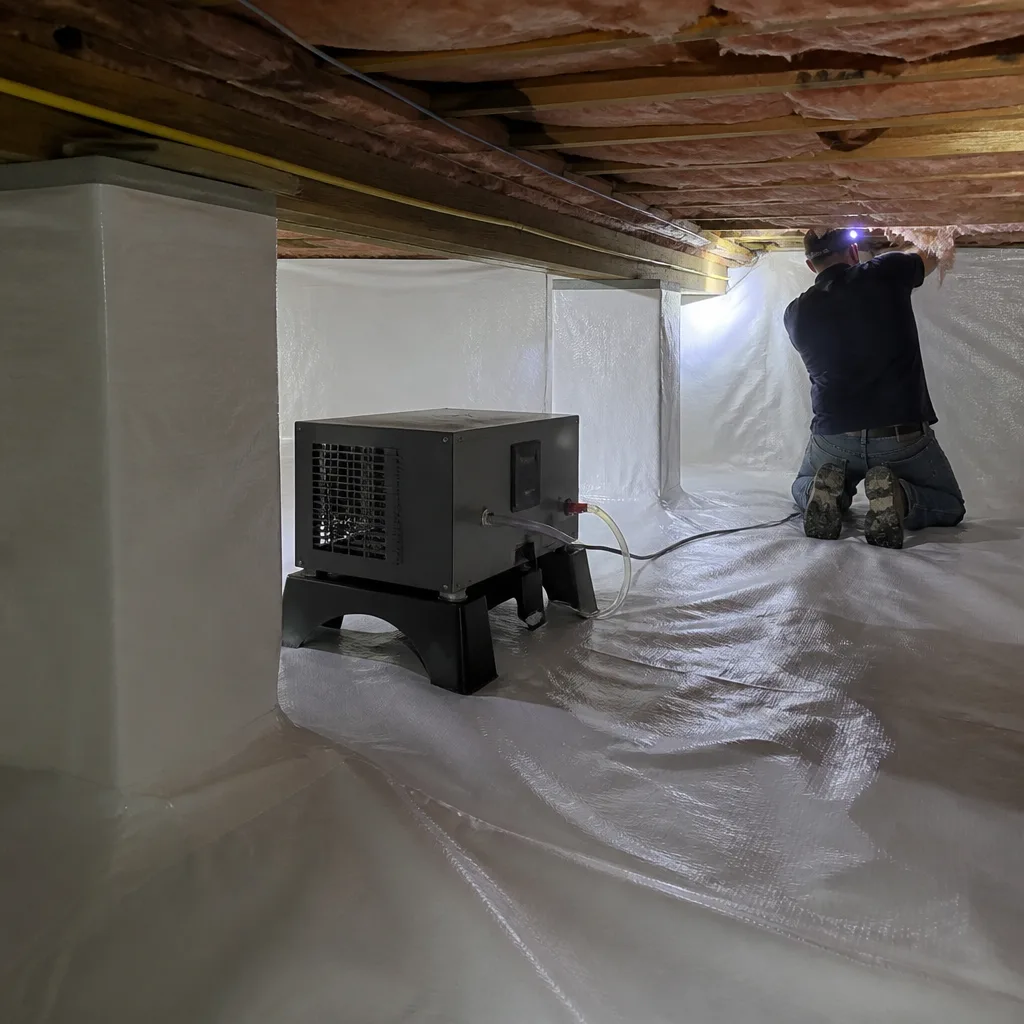
- White efflorescence blooming on block walls. This is mineral salt left behind when moisture wicks through concrete and evaporates. In Canyon Lake, we see it worst on north-facing foundation walls where the soil stays damp longer. It means your vapor barrier has separated at the wall-to-floor junction or was never sealed there in the first place.
- HVAC ducts sweating in summer. When the crawl space humidity climbs above 70% RH, the cold supply ducts become condensation surfaces. Your air handler works harder, your filter loads with mold spores, and your energy bills climb without explanation. We measure this with a hygrometer during our initial inspection.
- Soft or bouncy floors above the crawl space. Moisture degrades the glue bonds in engineered floor joists and can delaminate OSB subflooring. In homes near the lake where the water table sits higher, we’ve found joist bottoms black with fungal growth while the top side looked fine - the encapsulation failed at the perimeter and created a microclimate of sustained dampness.
- Dehumidifier running continuously or icing up. A properly sealed crawl space should hold 50-55% RH with a standard 50-pint dehumidifier cycling normally. If yours never reaches setpoint, the space is breathing outside air through gaps in the poly, at the vent covers, or around plumbing penetrations.
- Insect activity increasing, particularly springtails or silverfish. These moisture-seeking pests don’t colonize dry spaces. When we find them concentrated at the crawl space perimeter, it almost always traces to a failed seam or a missing termination bar where the poly meets the foundation wall.
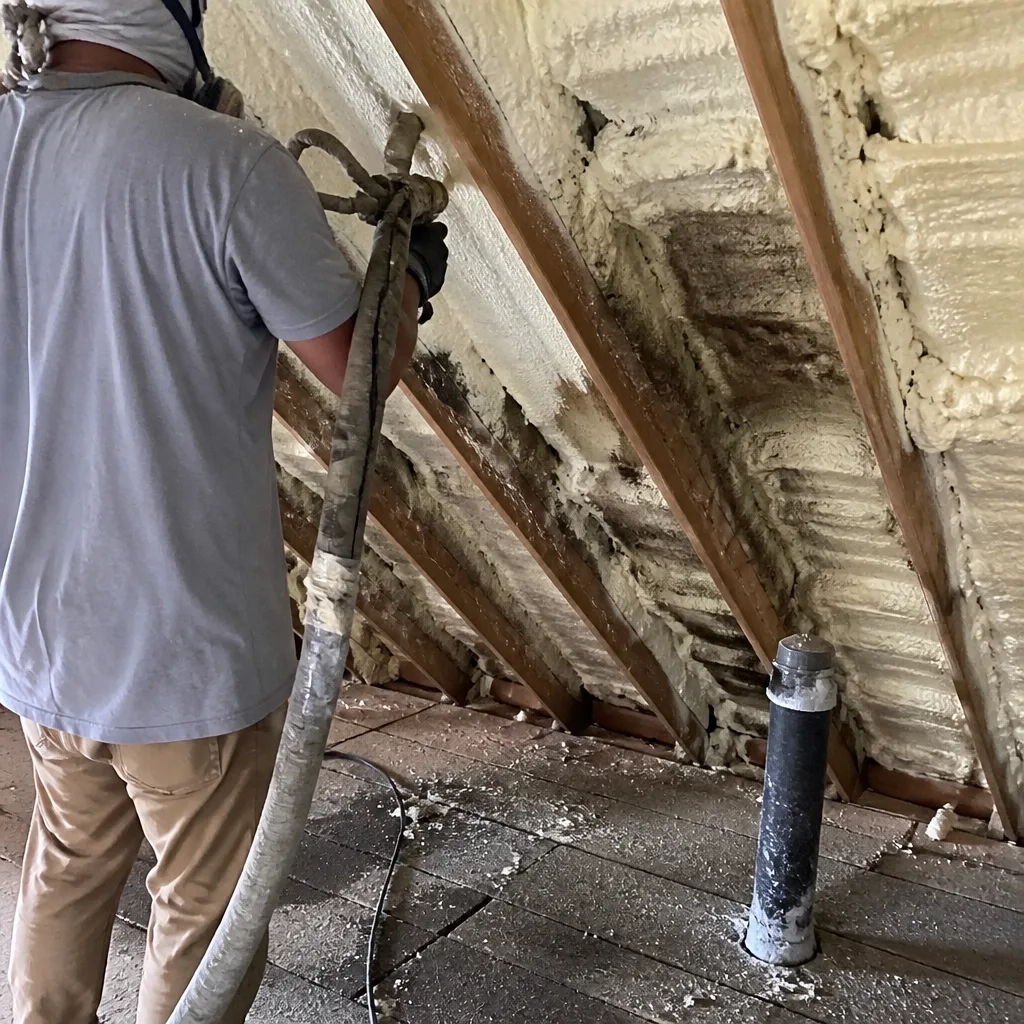 Before
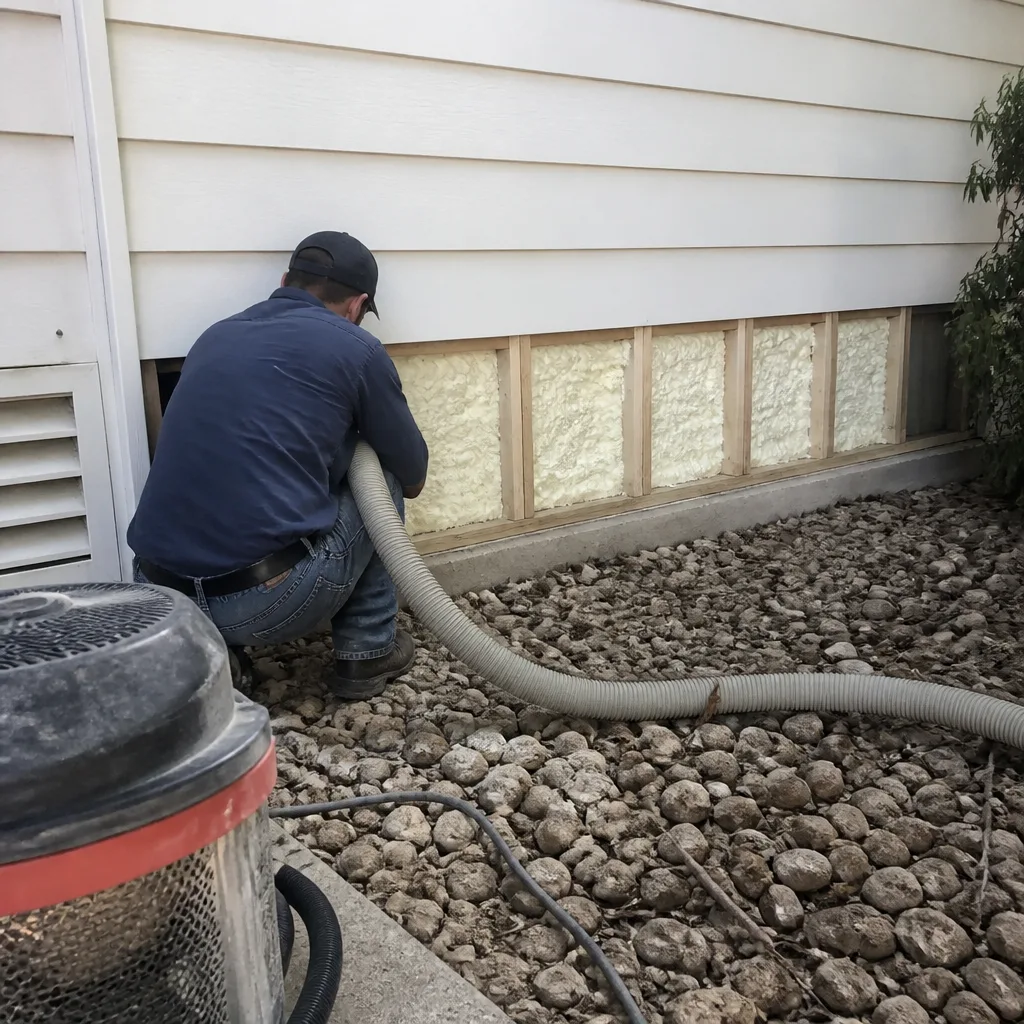 After
AfterReplacement Cost & What’s Included
| Component | Typical Range (Canyon Lake) |
|---|---|
| Complete encapsulation, 10-mil reinforced poly, 1,200-1,500 sq ft crawl space | $2,800-$3,900 |
| Complete encapsulation, 10-mil reinforced poly, 1,500-2,500 sq ft crawl space | $3,900-$5,400 |
| Foamular XPS wall insulation (2-inch, R-10), installed per square foot of wall | $4.50-$6.50/sq ft |
| Dehumidifier installation (70-pint, condensate pump, dedicated circuit) | $1,200-$1,800 |
| Spot repair: seam re-tape, pier wrapping, small tear patches | $450-$850 |
What drives the range: crawl space height (anything under 18 inches requires specialized equipment and more labor), number of piers to wrap and seal, whether we need to remove and dispose of old contaminated poly, and the condition of the band joist - which we always air-seal with Owens Corning ProPink or closed-cell foam before the new barrier goes down. Every job gets a written price before any work starts, per Haven Standard Clause 1. The 365-Day Done Right Promise covers installation defects, and we deliver a Documented Photo Record showing the sealed condition before we close the access. We don’t publish blower-door numbers for crawl space-only jobs, but on full-envelope projects that include attic air sealing, you’ll get the pre- and post-pressurization report.
DIY or Call Us?
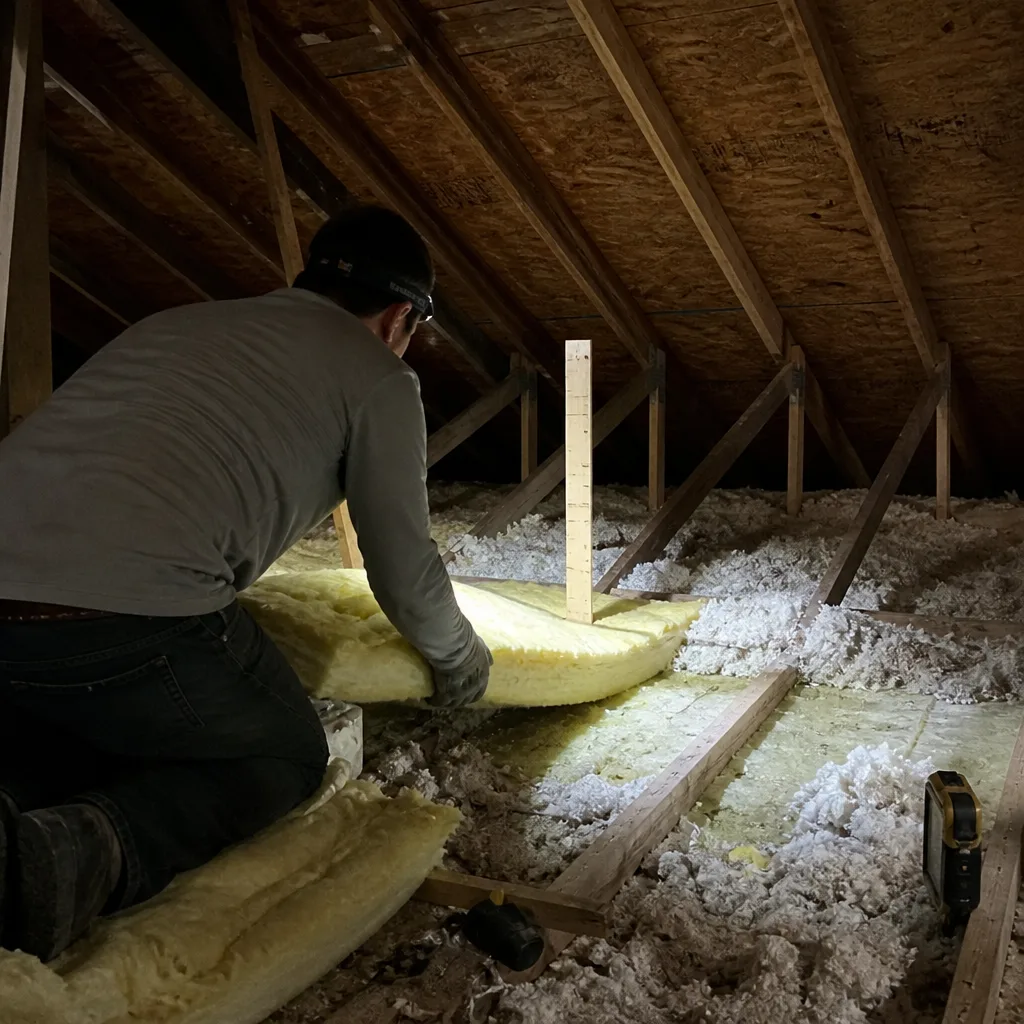
There’s nothing inherently dangerous about crawl space encapsulation - no high-tension springs, no live electrical panels, no gas lines. But there’s a lot that goes wrong slowly and costs more to fix later. A homeowner can safely check: whether the existing poly is torn or displaced at seams, whether vent covers are intact, and whether the dehumidifier drain line is clear. Use a flashlight and a moisture meter from the hardware store; readings above 20% on wood framing mean you have an active problem.
Where DIY fails: grading the poly to a sump or condensate location without creating low spots that pool water; sealing around irregular pier shapes so the barrier doesn’t tear under tension; and knowing when the original installer skipped the critical step of sealing the rim joist before insulating it. We’ve re-done three Canyon Lake encapsulations in the past two years where the homeowner’s 6-mil big-box poly lasted one summer before the limestone substrate shredded it. We stock 10-mil reinforced poly, pressure-sensitive seam tape rated for damp application, and mechanical termination bars on every truck. If your energy bills are higher than your mortgage, the crawl space is usually confessing something. Call (737) 227-6219 and we’ll read it with you - free second opinion on any written estimate you already have.
FAQs
A properly installed 10-mil reinforced poly system with sealed seams and closed vents should last 15-20 years in our climate, though we inspect at year 10 for UV degradation if any light penetrates through access doors. The 6-mil material we remove from homes in the Cranes Mill Road corridor typically fails at 5-8 years due to abrasion on sharp substrate and the thermal cycling of our 100-degree summers against 50-degree winter soils. Call (737) 227-6219 for an exact quote - estimates are free.
Spot repair is viable if the tear is under 12 inches, the surrounding poly is still supple, and the tear is not at a high-stress point like a pier base or access path. We patch with 10-mil tape on both sides and a termination bar for mechanical security. If the poly is brittle, extensively taped already, or if the original installation left gaps at the perimeter, replacement is more cost-effective than chasing individual failures. Call (737) 227-6219 for an exact quote - estimates are free.
Most residential crawl spaces in Canyon Lake take one to two days: half a day for removal and surface prep, half a day for installation, plus cure time if we’re applying mastic at wall junctions. Homes with limited access (single 16-inch scuttle) or active moisture requiring a sump pump add a day. We arrive with the material on the truck, so there’s no supplier delay. Call (737) 227-6219 for an exact quote - estimates are free.
We stock the 10-mil reinforced poly, seam tape, mastic, and termination bars on every truck. Owens Corning Foamular XPS and ProPink fiberglass we source through our local distributor with next-day availability; we don’t carry the full Owens Corning catalog on the truck because crawl space dimensions vary too widely for us to guess board sizes. For Reflectix, we stock the 24-inch and 48-inch rolls but recommend against it for most Canyon Lake applications due to our humidity profile. Call (737) 227-6219 for an exact quote - estimates are free.
Seal the leaks first. Then insulate. The report tells you whether it worked.
Written by Wes Okafor, Owner & Lead Insulation Technician, Topside Attic Insulation Canyon Lake at Topside Attic Insulation Canyon Lake, serving Canyon Lake and nearby areas.