
How Much Does a Home Energy Audit Cost in Canyon Lake, TX?
A Home Energy Audit in Canyon Lake, TX typically costs between $250 and $650 for a standard blower-door assessment with a written report. Homes over 2,500 square feet, or those with crawl spaces, multiple HVAC zones, or significant comfort complaints, usually land in the $400-$650 range. Most Canyon Lake homeowners recoup that cost within the first year through reduced cooling bills alone – summers here routinely push attic temperatures past 140°F, and a leaky building envelope can add $80-$150 per month to your electric bill during peak season.
Home Energy Audit Cost Breakdown (2026)
A home energy audit in Canyon Lake is not a single, fixed service – it’s a stack of diagnostic steps, and the price reflects which steps are included. Here’s how the costs typically break down in this market:
| Audit Component | Typical Cost Range (Canyon Lake, 2026) | Notes |
|---|---|---|
| Visual inspection only (no blower door) | $75 - $150 | Limited value; misses hidden air leaks in top plates and can lights |
| Blower-door test alone | $150 - $275 | Pressurization reading (CFM50) that quantifies total air leakage |
| Blower-door + visual inspection + written report | $250 - $425 | Most common package for homes under 2,500 sq ft |
| Blower-door + thermal imaging (infrared camera scan) | $350 - $550 | Infrared locates leak paths the eye can’t see; useful for older construction |
| Full building-envelope audit (blower door, thermal imaging, HVAC zone analysis, duct leakage test, written scope) | $450 - $650 | Appropriate for homes 2,500+ sq ft or those with persistent comfort or moisture issues |
| Utility-rebate-eligible RESNET/BPI audit | $300 - $600 before rebates | Specific certification path required; check CPS Energy or Pedernales Electric Cooperative programs |
What Pushes the Price Up in Canyon Lake Specifically
Canyon Lake homes present a few wrinkles that auditors account for in their pricing. A significant portion of the housing stock sits on sloped Hill Country terrain, which means crawl spaces, pier-and-beam foundations, and non-standard attic geometries are common – all of which add diagnostic time. Lake-adjacent construction from the 1980s and 1990s frequently has aluminum single-pane windows and minimal insulation by today’s standards, so a thorough audit takes longer to document. Homes on the western side of Canyon Lake near FM 2673 also tend to have larger footprints with detached garages and bonus rooms over unconditioned spaces, which require additional measurement steps.
Duct leakage testing – a blower-door-style pressurization of the duct system rather than the whole building – adds $75-$150 on top of a standard audit when it’s included separately. If a technician finds significant duct leakage (common in Canyon Lake homes where flex duct was run through unconditioned attics), that finding alone can justify the entire cost of the audit.
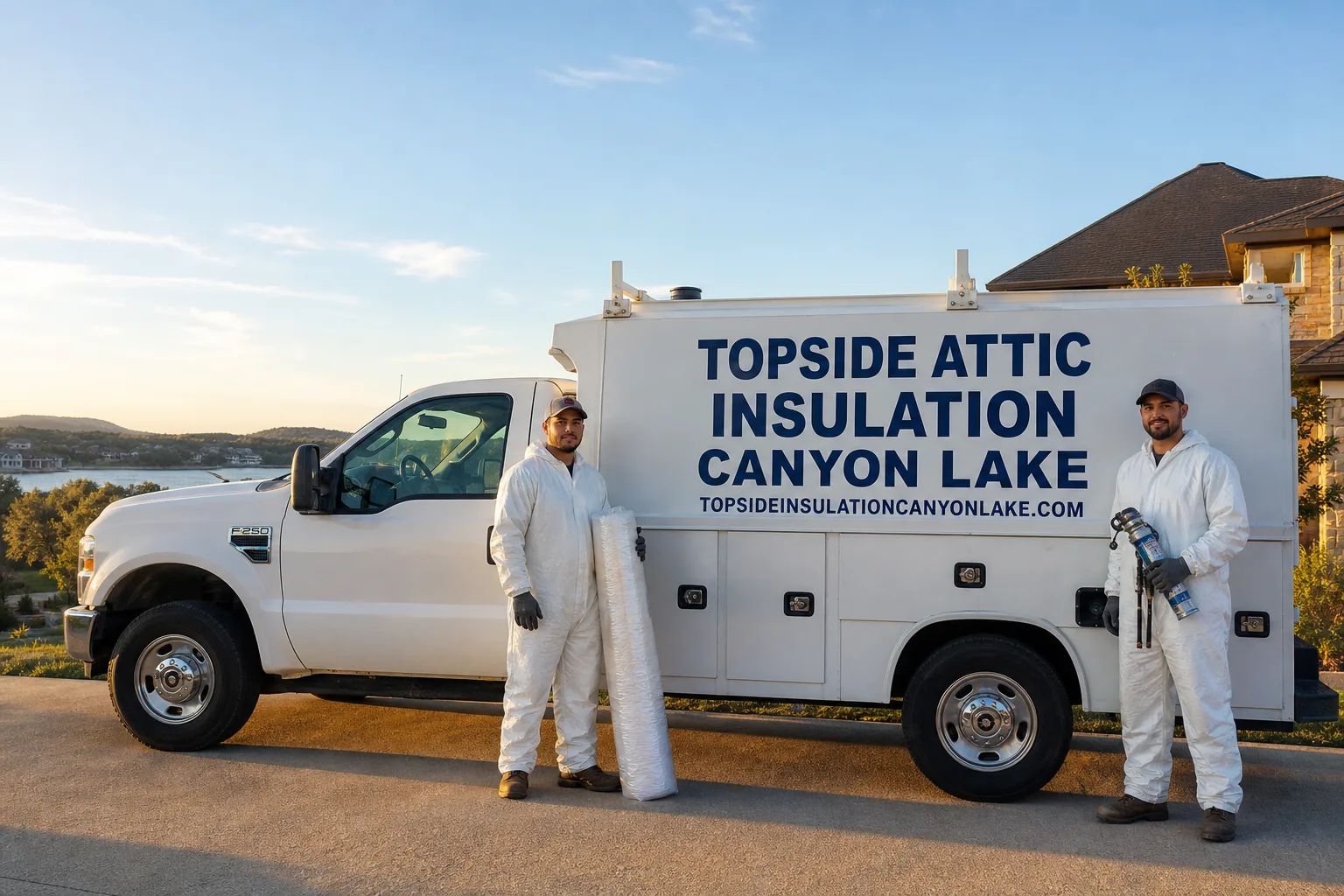
At Envelope Insulation Co., operating here as Topside Attic Insulation Canyon Lake, we don’t quote an audit price over the phone without knowing the square footage, foundation type, and number of HVAC systems. Under Haven Standard Clause 1, you get a written price before any work starts – no surprises on the invoice.
What Affects Home Energy Audit Pricing in Canyon Lake
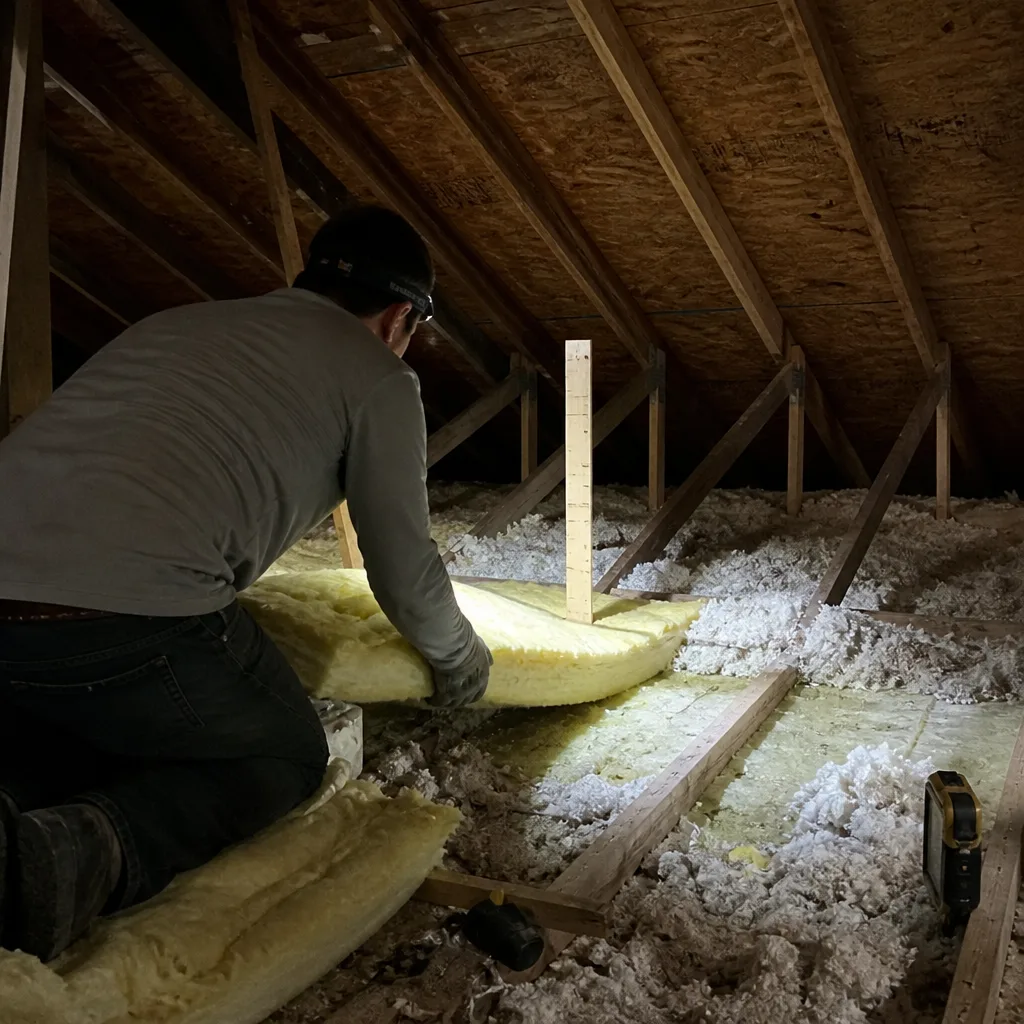
- Home size and square footage: Auditors price by time on site. A 1,400 sq ft lake cabin takes roughly 90 minutes to assess properly; a 3,800 sq ft custom home on the north shore of Canyon Lake can take three hours or more. Expect pricing to scale proportionally – roughly $0.10-$0.18 per square foot as a general guide.
- Foundation type: Pier-and-beam and crawl space foundations require the auditor to access the underfloor area, check vapor barriers, and assess rim-joist air sealing. That adds 30-60 minutes to the site visit and typically $75-$125 to the invoice compared with a slab-on-grade home of the same size.
- Number of HVAC systems and duct configurations: Canyon Lake homes above 2,500 square feet often have two-zone systems with separate air handlers. Each system needs individual duct leakage assessment if that test is included, which adds both time and cost.
- Age and construction era of the home: Homes built before 1990 in Comal County generally have less original air sealing, more penetrations through the thermal envelope, and often no vapor barrier in the crawl space. More deficiencies mean more documentation time – and a longer written report at the end.
- Thermal imaging inclusion: An infrared camera scan during a blower-door depressurization is the fastest way to locate the exact path of air intrusion in a wall or ceiling cavity. Not every audit includes it. When it is included, you’re paying for both the equipment and the interpretation time – but the resulting photos give you a documented, visual map of your building envelope’s weak points.
- Rebate-eligible certification path: If you want to qualify for utility rebates through Pedernales Electric Cooperative (which serves portions of Canyon Lake) or CPS Energy programs, the audit may need to follow a specific RESNET or BPI protocol. Certified audits take longer, require more detailed documentation, and cost more than a standard diagnostic visit – but the rebate offset can bring your net cost below what a basic audit would have run.
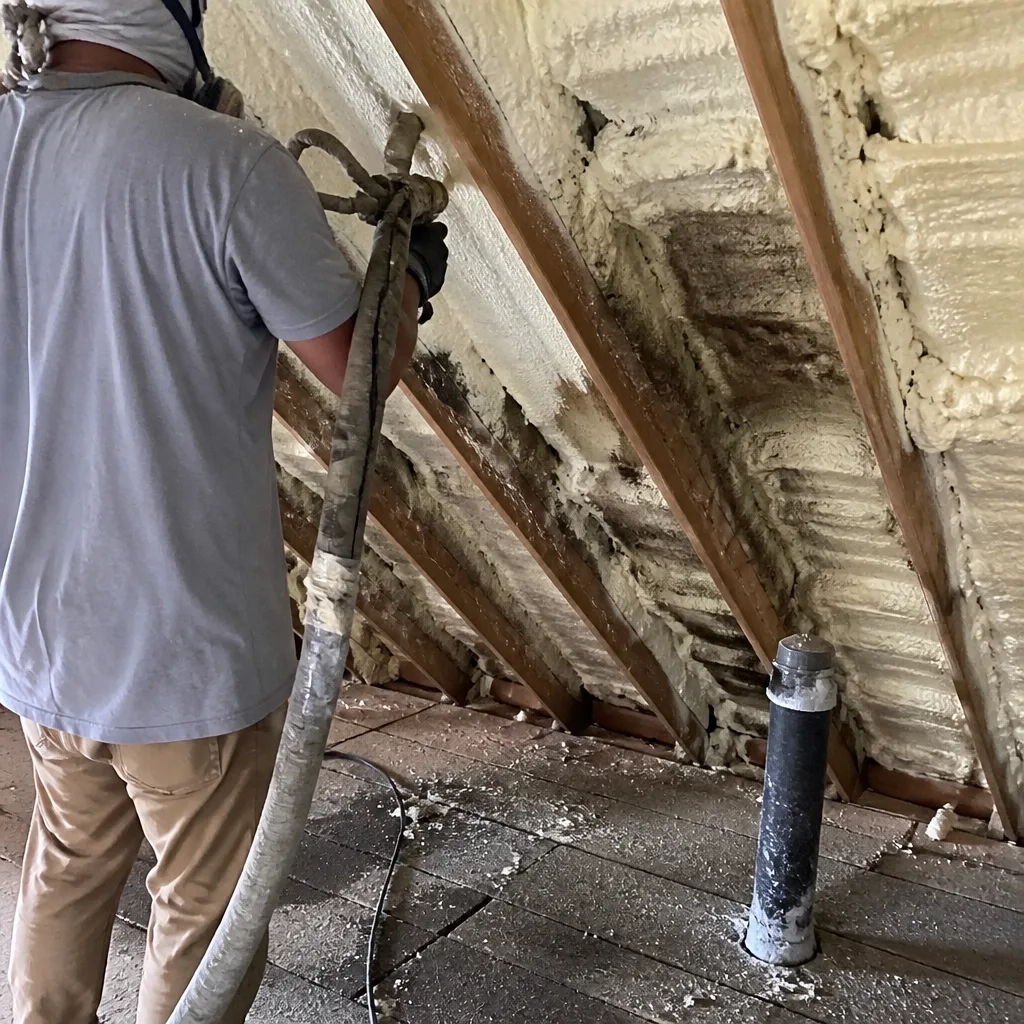 Before
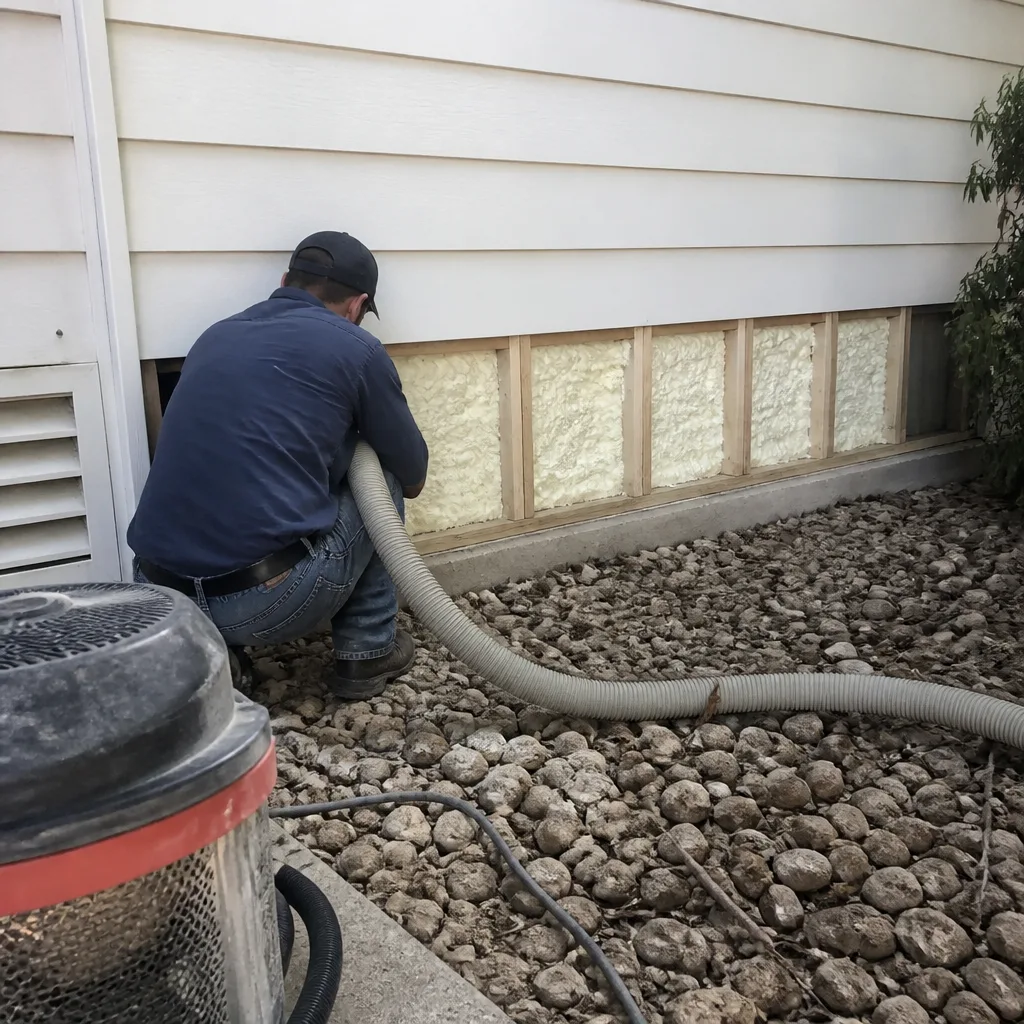 After
AfterWhat You Actually Get from a Home Energy Audit in Canyon Lake
This is where a lot of homeowners feel shortchanged – not because they were overcharged, but because they weren’t told in advance what documentation they’d leave with. A thorough audit produces specific, usable deliverables. Before scheduling any audit in Canyon Lake, ask the company to list exactly what you’ll receive in writing.
Blower-Door Reading: Before and After
The blower-door test – a pressurization measurement that shows, in one number, how much conditioned air your building envelope is losing – produces a reading in CFM50 (cubic feet per minute at 50 Pascals of pressure). A well-sealed Canyon Lake home of about 2,000 square feet might read 1,800-2,200 CFM50. A home that hasn’t had any air sealing work since construction might read 4,000-6,500 CFM50 or higher. That number is the baseline. If you proceed with air sealing, you should receive a second reading afterward so you can see the performance change in a single comparable figure.
At Topside Attic Insulation Canyon Lake, we publish before-and-after blower-door numbers on every applicable job. If a contractor won’t give you a post-work reading, you have no way to verify that the air sealing you paid for actually changed your home’s performance.
Written Scope and Prioritized Recommendations
The audit report should rank findings by impact – not by how easy they are to fix. In Canyon Lake homes, the highest-impact items are almost always attic air sealing (top plates, can lights, and plumbing penetrations), followed by duct leakage, and then crawl space vapor barriers in pier-and-beam construction. An auditor who leads with window replacement is either working from a template or selling windows.
Documented Photo Record
Every Topside Attic Insulation Canyon Lake visit includes a documented photo record. The photos show what the technician found – insulation depth, visible air gaps, moisture staining, duct disconnects – so you have a visual record that doesn’t depend on your memory of a verbal walkthrough. That record also serves as a baseline if you do the work in phases and want to compare conditions before and after each phase.
How Much Can a Home Energy Audit Save Canyon Lake Homeowners?
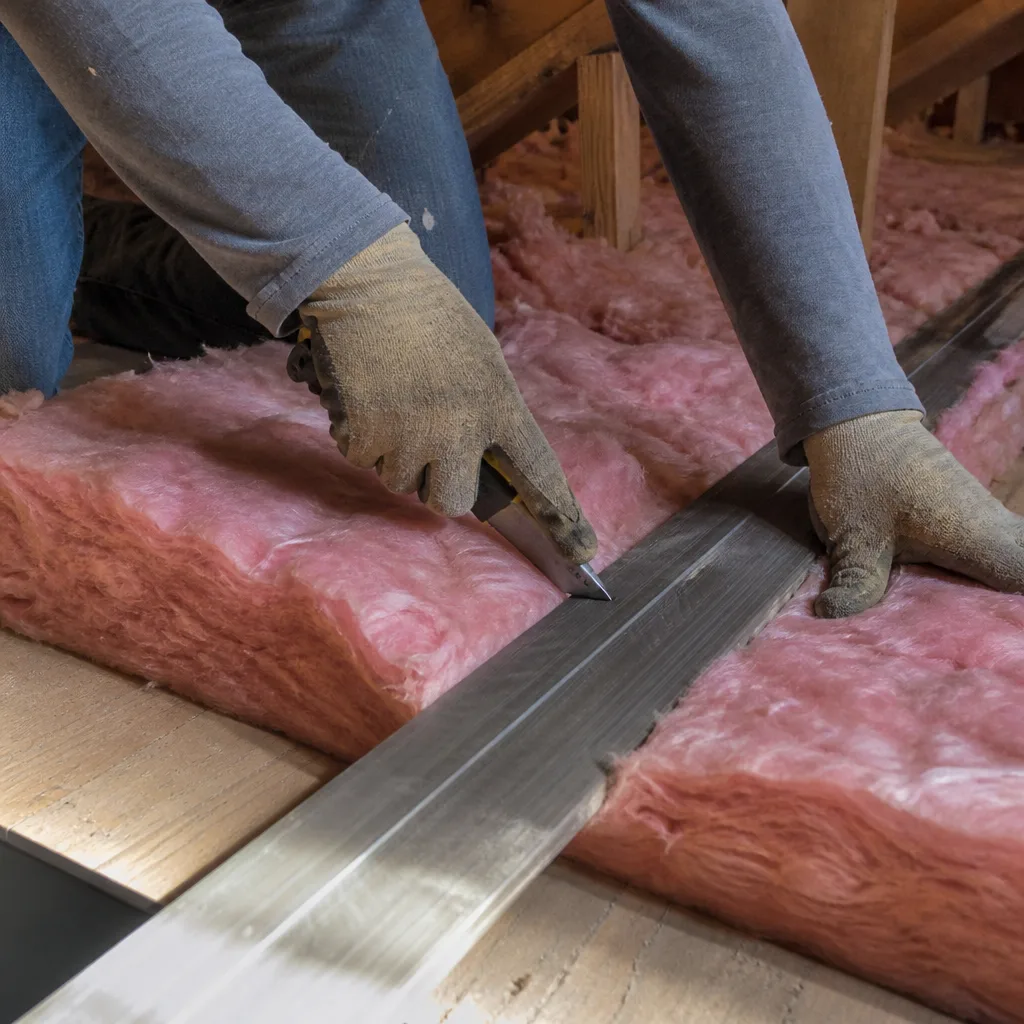
The savings math depends on what the audit finds and what you do about it. Here’s a realistic look at what Canyon Lake homeowners typically discover and what addressing each issue tends to save annually:
- Attic air sealing (top plates, can lights, penetrations): A Canyon Lake home losing 4,000+ CFM50 that’s brought down to 2,000 CFM50 through attic air sealing can realistically see $200-$450 per year in reduced cooling and heating costs, given the area’s long cooling season and mild but real winters.
- Adding attic insulation after air sealing: Bringing an attic from R-11 to R-38 in conjunction with air sealing typically adds another $150-$300 per year in savings for a mid-size Canyon Lake home.
- Duct leakage repair: Ducts leaking 20-30% of airflow into an unconditioned attic – which is common in Canyon Lake homes with original flex duct – can cost $300-$600 per year in wasted conditioning. Sealing those ducts pays back relatively quickly.
- Crawl space vapor barrier installation: For pier-and-beam homes near the lake, a missing or damaged vapor barrier contributes to moisture load that the AC system has to work harder to manage. Savings are harder to isolate but humidity-related comfort improvement is typically noticeable within the first summer.
The audit itself typically costs $250-$650. If it points you toward $400-$900 per year in utility savings, the payback period is under two years in most cases.
How to Save on a Home Energy Audit in Canyon Lake
Check Utility Rebate Programs First
Pedernales Electric Cooperative offers rebate programs for energy efficiency improvements that sometimes include subsidized or free energy audits for qualifying members. CPS Energy has similar programs for customers in their service area. Call your utility provider before scheduling a paid audit – you may qualify for a partially subsidized assessment that satisfies the same diagnostic function at a lower out-of-pocket cost. That said, utility-sponsored audits vary in depth, and some are more thorough than others. If the utility audit doesn’t include a blower-door test, it’s worth supplementing with a targeted diagnostic visit.
Bundle the Audit with Air Sealing and Insulation Work
Some contractors discount or waive the audit fee when you proceed with the recommended work through the same company. At Topside Attic Insulation Canyon Lake, we can discuss how the audit cost applies toward a full scope of work when you’re ready to move forward. The key is to have the audit completed first, so the scope of work is based on actual measurements rather than assumptions.
Ask What the Report Includes Before You Book
A $150 “inspection” and a $450 full audit are not the same service. Ask specifically: Does it include a blower-door test? Thermal imaging? A written report with CFM50 readings? A prioritized recommendation list? Knowing what you’re buying before you agree to it is always the right move – and it’s the only way to compare quotes accurately.
Get a Second Opinion on Any Written Estimate
If you’ve already received a written audit report and a scope of work from another contractor, bring it to us. We offer a free second opinion on any written estimate. We’ll read the numbers with you and tell you plainly whether the proposed scope matches what the blower-door readings indicate. Call (737) 227-6219 to schedule.
Don’t Skip the Audit to Save $300
This is the most expensive mistake Canyon Lake homeowners make. Insulating an attic that still has unsealed top plates and can lights is like caulking the windows of a house with the back door open. Envelope Insulation Co. won’t blow insulation over an unsealed attic floor – air sealing of top plates, can lights, and penetrations is completed before any insulation is added, every time. That sequencing is the reason our before-and-after blower-door numbers actually move. Skipping the audit to save a few hundred dollars often means paying for insulation that delivers a fraction of its rated performance.
Canyon Lake-Specific Factors That Affect Your Audit Results
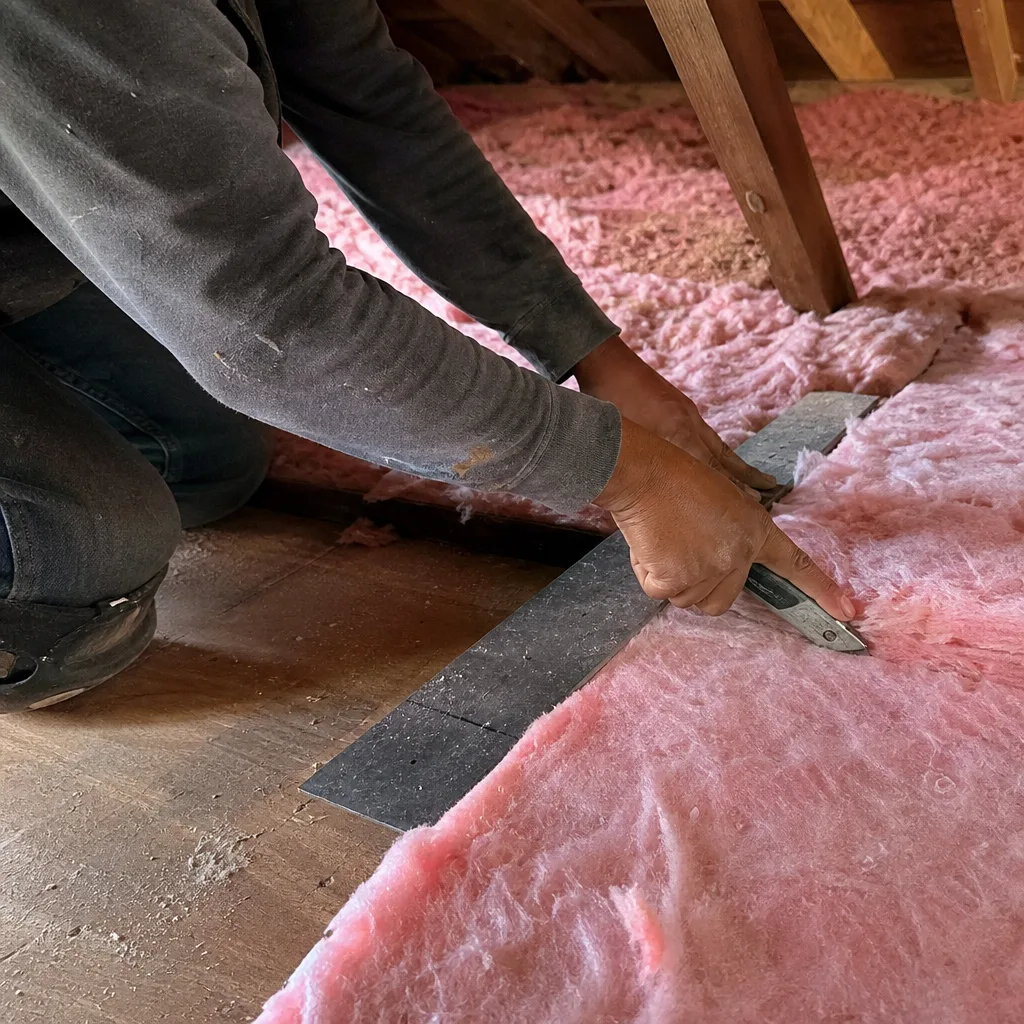
Canyon Lake’s climate sits in a particular band that makes building-envelope performance more consequential than in many Texas markets. The Hill Country location means summer cooling loads are slightly moderated compared to San Antonio or Austin, but the humidity from the lake itself adds a latent load that standard insulation alone doesn’t address. An unsealed attic in a Canyon Lake home can allow humid outdoor air to infiltrate the conditioned space even when the insulation R-value looks fine on paper.
Homes in the Cranes Mill Road area and the subdivisions along the south shore tend to have tighter original construction than the older lakefront properties near Potters Creek Park, which were frequently built as weekend cabins and retrofitted into year-round residences. The audit findings in those older lake homes regularly show unsealed knee walls, uninsulated floors over piers, and crawl spaces with no vapor barrier at all – a combination that makes air sealing and encapsulation the clear first priority before any insulation upgrade.
If your home is in an HOA-governed community around Canyon Lake, it’s worth confirming that any exterior-facing work (vent covers, exterior foam application) meets the architectural guidelines before the audit becomes a scope of work. A good auditor notes HOA constraints in the written report.
Why the Audit Has to Come Before Insulation – Not After
This is worth saying plainly because it’s where most energy upgrade projects in Canyon Lake go sideways. Insulation is a thermal resistance layer. Air sealing is a physical barrier to air movement. These are two different things, and one does not substitute for the other.
In a Canyon Lake attic in July, unconditioned air can reach 145-155°F. When that air has a direct path through an unsealed can light or an open top plate into the conditioned space, it doesn’t matter that you have R-38 batts on the attic floor – the air is bypassing the insulation entirely. The blower-door test makes this problem visible by measuring the total leakage rate of your building envelope. The thermal imaging scan shows you exactly where those paths are. And the air sealing work, when done correctly before insulation is installed, closes them permanently.
Wes Okafor, who leads Topside Attic Insulation Canyon Lake, has been direct about this since Envelope Insulation Co. launched in 2016: we won’t insulate a home where the air sealing hasn’t been verified first. That’s not a sales position – it’s the only way the insulation performs the way it’s rated to perform. We back every completed job with the 365-Day Done Right Promise: if it’s not done right, we make it right.
What Happens After the Audit: The Path from Findings to Fixes
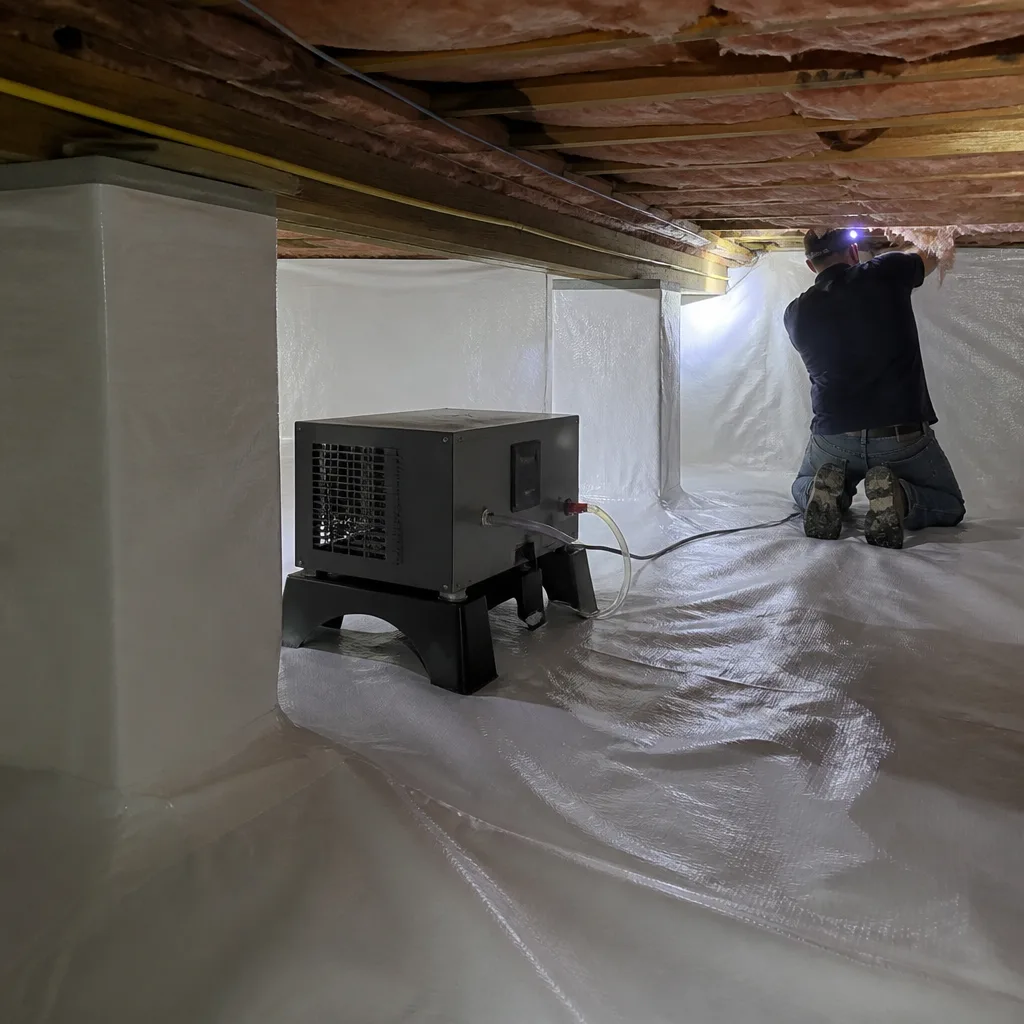
Once you have a blower-door reading, a thermal imaging scan, and a written report in hand, you have a clear map of your building envelope’s weak points. The report should rank findings by impact and give you estimated improvement ranges for each. From there, the typical sequence for a Canyon Lake home looks like this:
- Attic air sealing – top plates, can lights, plumbing and electrical penetrations, HVAC drops. This is almost always the highest-impact first step.
- Verify blower-door improvement – a post-sealing pressurization test confirms the work closed the leaks. Without this step, you’re trusting the work rather than measuring it.
- Attic insulation upgrade – once air sealing is verified, blown-in insulation or batt installation to target R-value (typically R-38 to R-60 in this climate zone).
- Duct sealing and insulation – if the audit identified significant duct leakage, duct sealing is done before or concurrently with the attic insulation upgrade.
- Crawl space vapor barrier or encapsulation – for pier-and-beam Canyon Lake homes, this addresses the moisture load that impacts both comfort and indoor air quality.
Each step has a written price before work starts. That’s Haven Standard Clause 1, and it applies to the audit, the air sealing, the insulation, and every other service Topside Attic Insulation Canyon Lake provides.
To learn more about the full scope of services available, visit our home or go directly to our Home Energy Audit in Canyon Lake page for service details and scheduling.
FAQs: Home Energy Audit Cost in Canyon Lake, TX
How much does a home energy audit cost in Canyon Lake, TX in 2026?
A standard home energy audit in Canyon Lake costs $250-$650 depending on home size, audit type, and what’s included. A blower-door test with a written report for a home under 2,500 square feet typically runs $250-$425. A full-envelope audit with thermal imaging for a larger or more complex home runs $450-$650. Call (737) 227-6219 and give us the square footage and foundation type – we can give you a written price range before you commit to anything.
Is a home energy audit worth the cost in Canyon Lake?
For most Canyon Lake homeowners, yes – particularly those with homes built before 2005 or those who’ve noticed comfort inconsistencies between rooms or spikes in summer electric bills. The audit typically costs $250-$650. The air sealing and insulation improvements it identifies commonly save $350-$900 per year in utility costs in this climate, which means the audit pays for itself within the first year in many cases. The clearer the audit findings, the more directly the savings can be tied to specific improvements.
Are there free home energy audits available in Canyon Lake?
Subsidized audits are available through some utility programs – Pedernales Electric Cooperative and CPS Energy both have energy efficiency programs that have included free or low-cost audits for qualifying customers in the past. Availability changes by program cycle, so calling your utility directly is the most reliable way to check current offerings. A utility-subsidized audit may or may not include a blower-door test; if it doesn’t, a supplemental diagnostic visit from a contractor is worth considering before you commit to major insulation or air sealing work.
Can I skip the audit and just add insulation to my Canyon Lake attic?
You can, but it’s the most common way Canyon Lake homeowners end up disappointed with their insulation results. Insulation slows heat transfer; it does not stop air movement. If your attic has unsealed can lights, open top plates, or penetrations around HVAC drops, conditioned air is bypassing the insulation entirely. Adding more insulation on top of an unsealed attic floor will not fix that problem. Envelope Insulation Co. – operating as Topside Attic Insulation Canyon Lake – will not install insulation over an unsealed attic floor. The air sealing is confirmed first; the insulation comes after. That sequencing is why our blower-door numbers move.
How long does a home energy audit take in Canyon Lake?
Most audits in Canyon Lake take 1.5 to 3 hours on site, depending on home size and scope. A 1,600 sq ft slab-on-grade home with a single HVAC system takes about 90 minutes for a thorough blower-door-plus-visual assessment. A 3,200 sq ft pier-and-beam home with two HVAC zones and a crawl space can take closer to three hours when duct leakage testing and thermal imaging are included. You’ll receive the written report and CFM50 readings either at the end of the visit or within 24 hours, depending on how much thermal imaging analysis is involved.
Wes Okafor and the Topside Attic Insulation Canyon Lake crew have been assessing and sealing Canyon Lake homes under the Envelope Insulation Co. banner since 2016. Every audit starts with a written price – you know the cost before anyone walks through your door – and closes with a documented photo record and blower-door readings you can keep. The 365-Day Done Right Promise applies to every scope of work that follows.
If you have a competing written estimate or an existing audit report you’d like a second opinion on, bring it. We’ll read the numbers with you at no charge.
Call (737) 227-6219 to schedule your home energy audit in Canyon Lake or to request a written estimate. A live person answers – no voicemail, no callback windows measured in business days.
Pricing reflects the Canyon Lake, TX market as of 2026. Written by Wes Okafor, Owner at Envelope Insulation Co. / Topside Attic Insulation Canyon Lake, serving Canyon Lake since 2016.
What Our Customers Say
"Crawl space encapsulation done properly. Photographs of the vapour barrier at every seam, and the damp smell in the hallway is gone."
- Ainsley P."The winter gas bill dropped by about a third. They had estimated a quarter, so they under-promised."
- Genevieve R."They photographed rodent damage in the old insulation that we had no idea about, and priced the exclusion work separately so we could decide."
- Harriet N.