
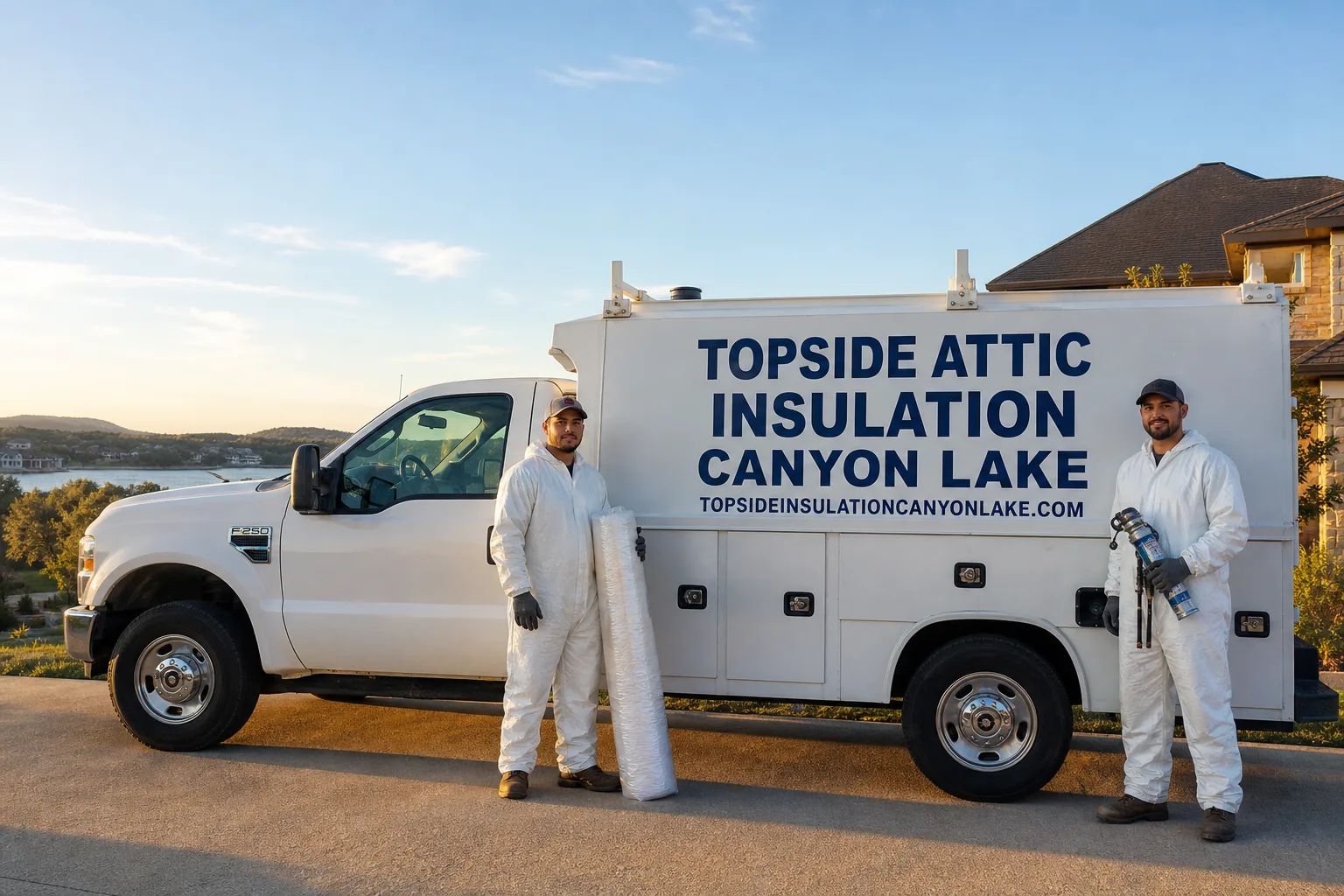
Trusted Radiant Barrier Installation for Canyon Lake Homeowners
Canyon Lake Radiant Barrier Installation typically costs $1,800-$4,200 for a standard attic and can reduce attic temperatures by 20-40 degrees during our peak summer months. Most homes in the Canyon Lake area see payback on the investment within 3-5 years through lower electric bills. We’re available for same-day assessments throughout the Canyon Lake, Timberwood Park, and Bulverde areas when you call (737) 227-6219.
We’ve sealed and insulated over 9,000 homes since 2016, and we’ve learned that radiant barriers make the biggest difference in homes with ductwork running through vented attics - which describes most of the Canyon Lake builds from the 1980s through the early 2000s. The combination of intense Hill Country sun and attic temperatures that regularly exceed 140 degrees in July puts extraordinary load on your HVAC system. A properly installed radiant barrier doesn’t replace insulation; it works with it by blocking radiant heat transfer from the roof deck before that heat ever reaches your insulation layer. Every job we perform begins with a written price and ends with a Documented Photo Record, under our Haven Standard.
What Our Radiant Barrier Installation Service Includes
Attic Radiant Barrier
An attic radiant barrier is a reflective surface - typically aluminum-faced material - installed on the attic floor or against the roof framing to reduce radiant heat gain from the roof deck. In Canyon Lake homes, we most commonly install these in attics with existing blown-in fiberglass or cellulose insulation, where the radiant barrier sits on top of the insulation or is draped over the joists. We don’t install radiant barriers over unsealed attic floors; our crews complete air sealing of top plates, can lights, and penetrations first, then install the barrier. This sequencing matters because a radiant barrier with air leaking through it performs poorly, and we document the improvement with before-and-after blower-door numbers on every applicable job.
Radiant Barrier Foil
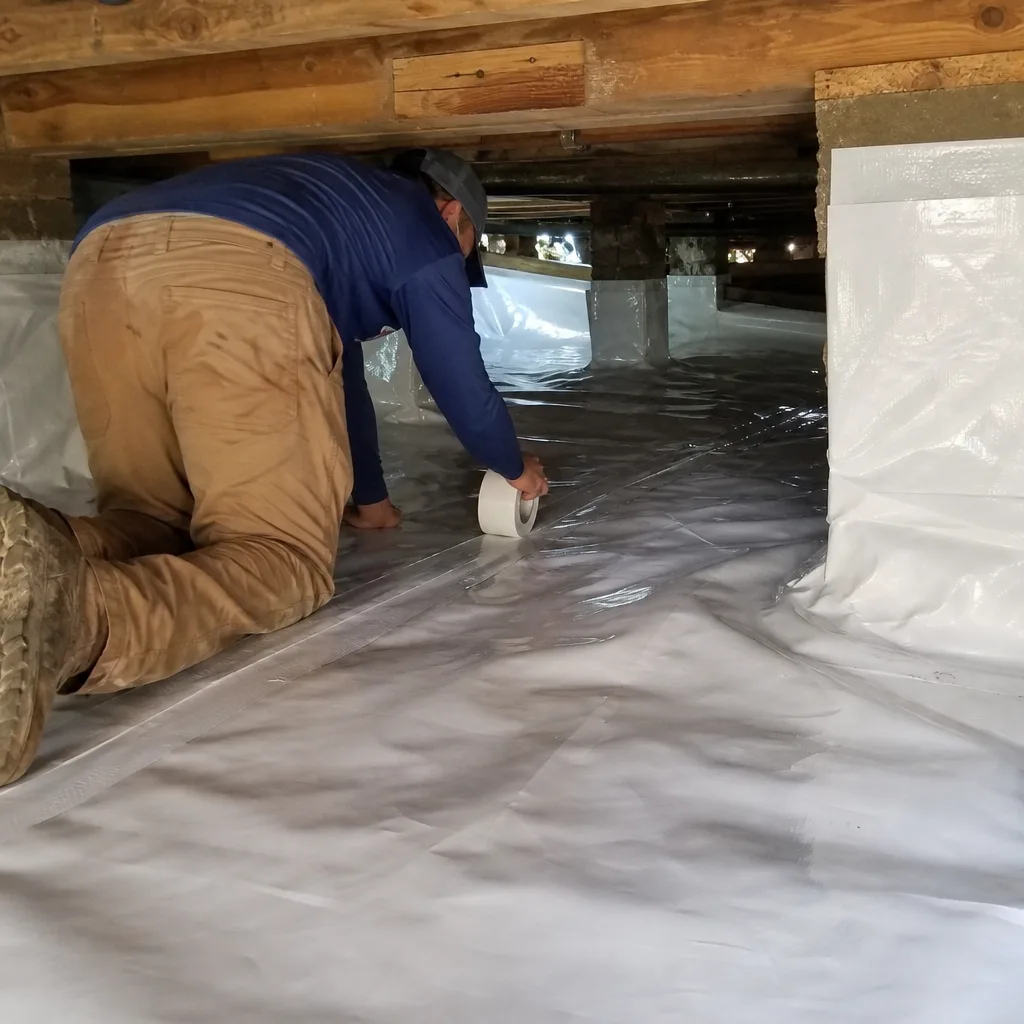
Radiant barrier foil is the most common material type - a thin, reinforced aluminum sheet that reflects up to 97% of radiant heat. We specify foil products from Owens Corning and Johns Manville that are rated for Texas attic conditions, including the humidity spikes we see during Canyon Lake’s spring storm season. The foil we install is perforated to allow moisture vapor passage, which prevents condensation issues in attics that aren’t perfectly sealed. Our crews staple foil to the underside of roof rafters with proper air gaps - a critical detail, since radiant barriers need that gap to function; foil pressed directly against insulation or roof decking loses effectiveness.
Radiant Barrier Roof Deck
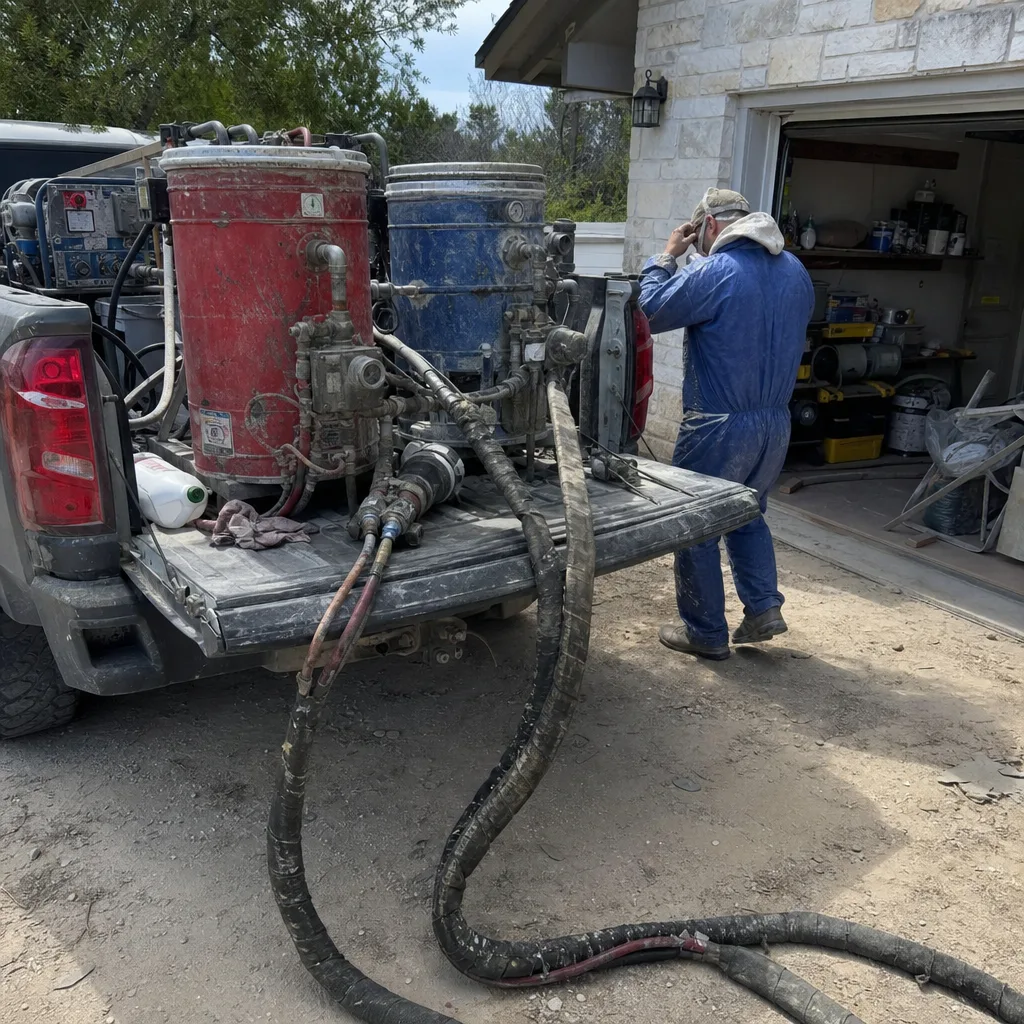
Radiant barrier roof deck applications involve installing reflective material directly on the roof sheathing, either during new construction or re-roofing, or as a retrofit to existing roof structures. In Canyon Lake’s older lake-area homes, particularly the cedar-sided builds in the Startzville and Hancock area, we often see roof decks with inadequate ventilation that compound heat gain problems. For retrofits, we install foil-faced sheathing or attach radiant barrier material to the existing deck from inside the attic. This approach is more labor-intensive than attic floor installation but provides superior performance in homes where the attic is used for storage or where HVAC ducts run through the space.
Radiant Barrier & Ventilation
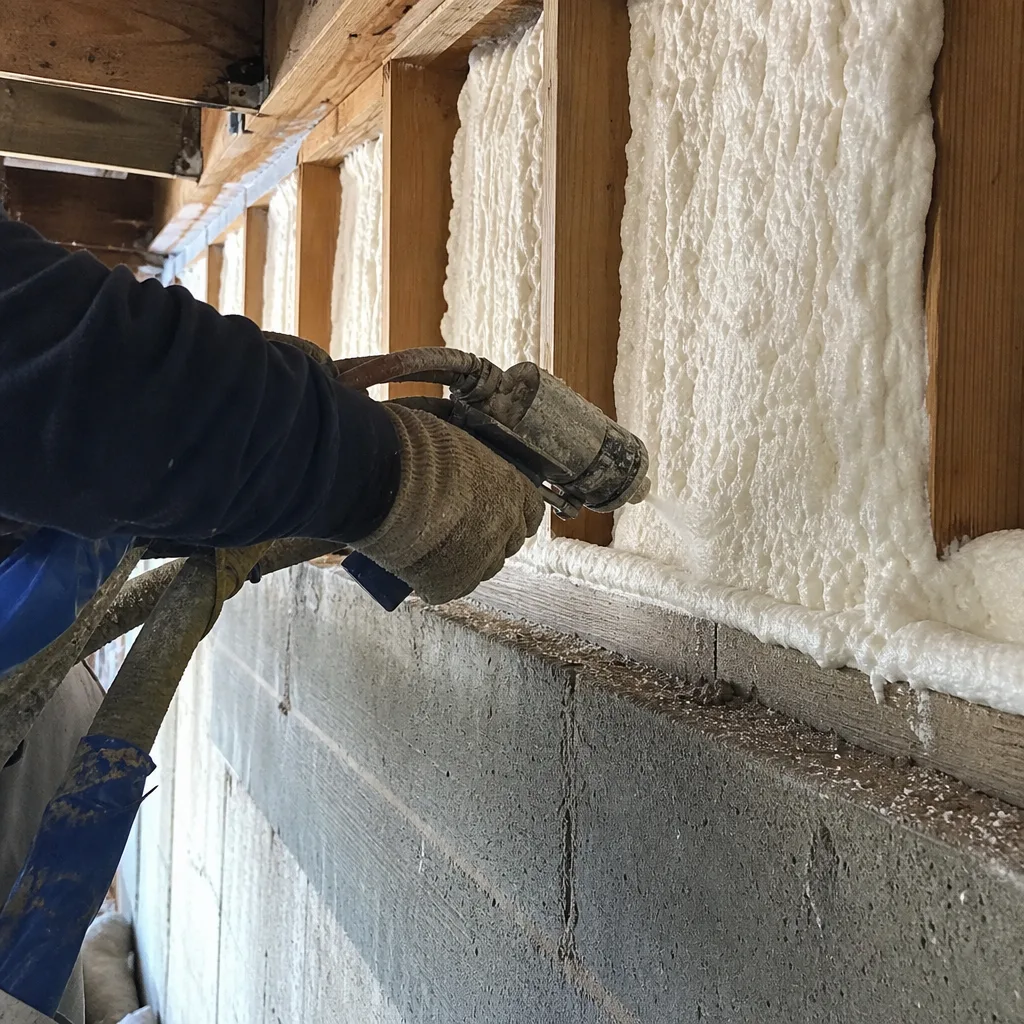
Radiant barriers and attic ventilation work as a system - the barrier blocks radiant heat, while proper ventilation removes the convective heat that still enters. In Canyon Lake, we regularly find ridge vents blocked by wasp nests, soffit vents painted over by previous owners, or gable vents that create short-circuit airflow patterns. Our assessment includes a ventilation calculation based on the 1:300 rule - one square foot of net free vent area for every 300 square feet of attic floor space - and we specify corrections before or concurrent with radiant barrier installation. A radiant barrier in a poorly ventilated attic will still help, but the combination of both measures typically reduces attic temperature by an additional 10-15 degrees compared to barrier alone.
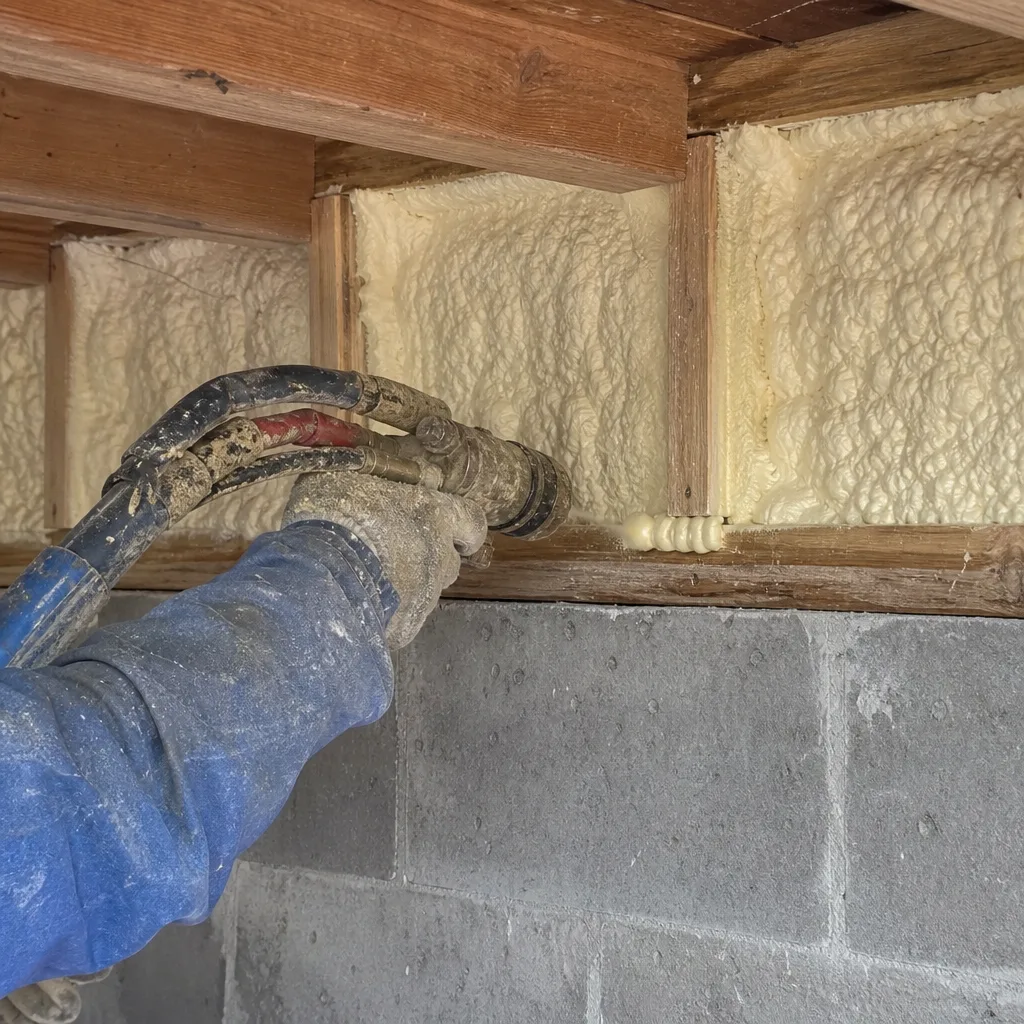
What happens when you call
- 1
A real person answersNo phone trees - you reach a local pro.
- 2
You get an upfront price rangeHonest numbers before anyone is dispatched.
- 3
A background-checked tech heads outLicensed & insured, dispatched right away.
- 4
You approve before work beginsNothing starts until you say go.
Brands We Service for Radiant Barrier Installation
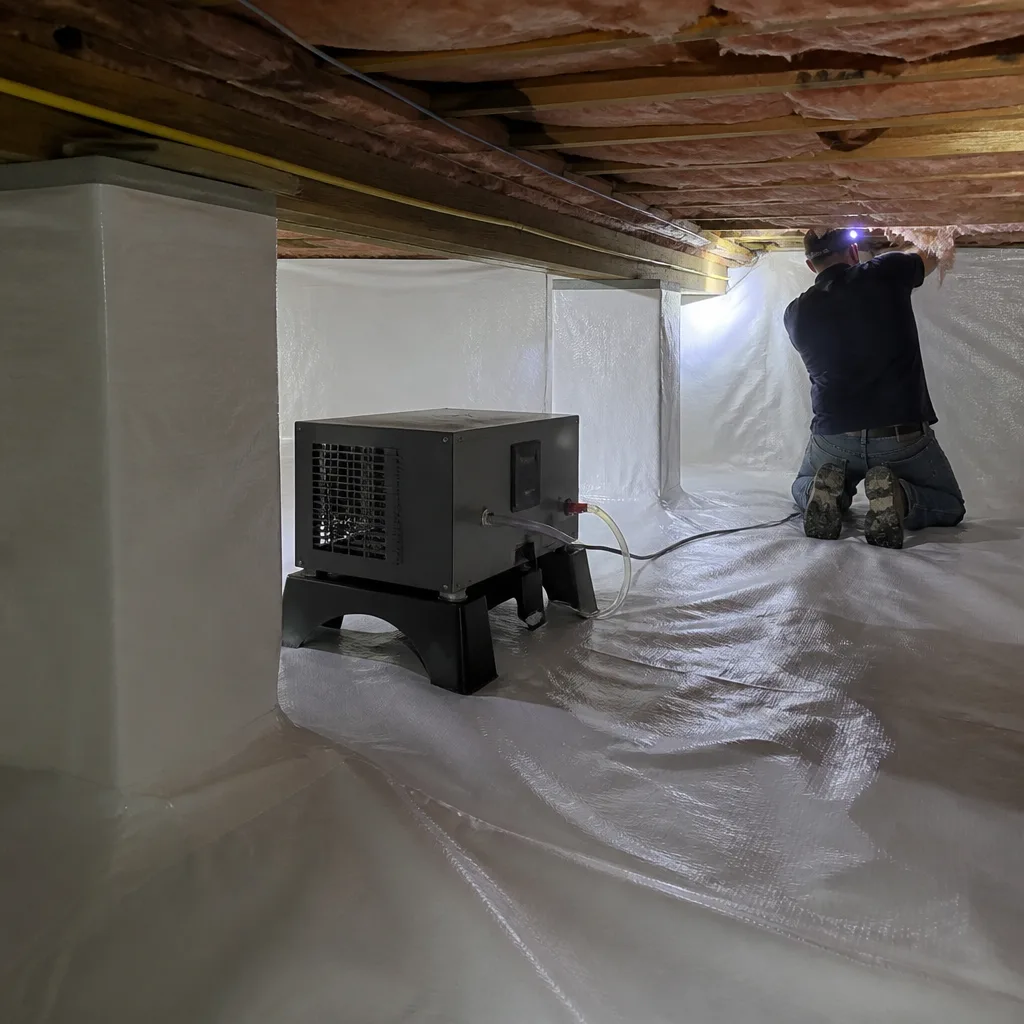
We specify radiant barrier materials from Owens Corning, whose AttiCat reflective products we’ve installed in hundreds of Hill Country homes since 2016. Owens Corning’s foil products carry a 10-year warranty when installed to their specifications, and we follow those specs precisely - including the required air gaps and fastening patterns - so that warranty transfers to the homeowner. We’ve also worked extensively with Johns Manville reflective insulation systems, particularly their AP Foil-Faced products that combine radiant barrier performance with some insulating value in a single layer. This can be advantageous in Canyon Lake homes with limited attic clearance where every inch of headroom matters.
Knauf and GreenFiber round out our material options for homeowners who prefer specific manufacturers or whose builders specified particular product lines. Knauf’s Ecoseal-compatible radiant barriers integrate well with their air-sealing systems, and GreenFiber’s cellulose-based approaches work for homeowners seeking lower-embodied-carbon options. Whether you have a preference for Owens Corning, Johns Manville, Knauf, GreenFiber, or any other manufacturer, we can source and install to specification. We carry no exclusive arrangements - our recommendation is based on your roof geometry, attic conditions, and performance goals, not on distributor incentives.
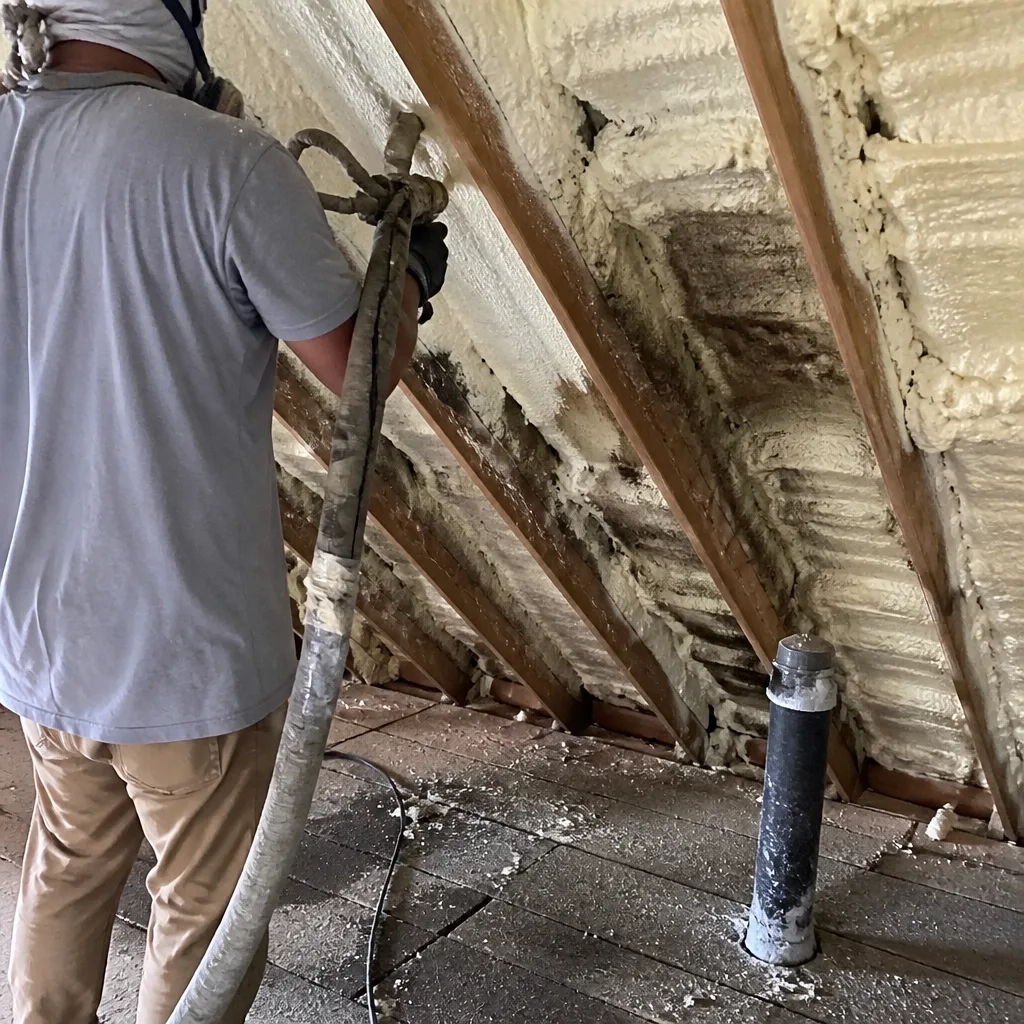 Before
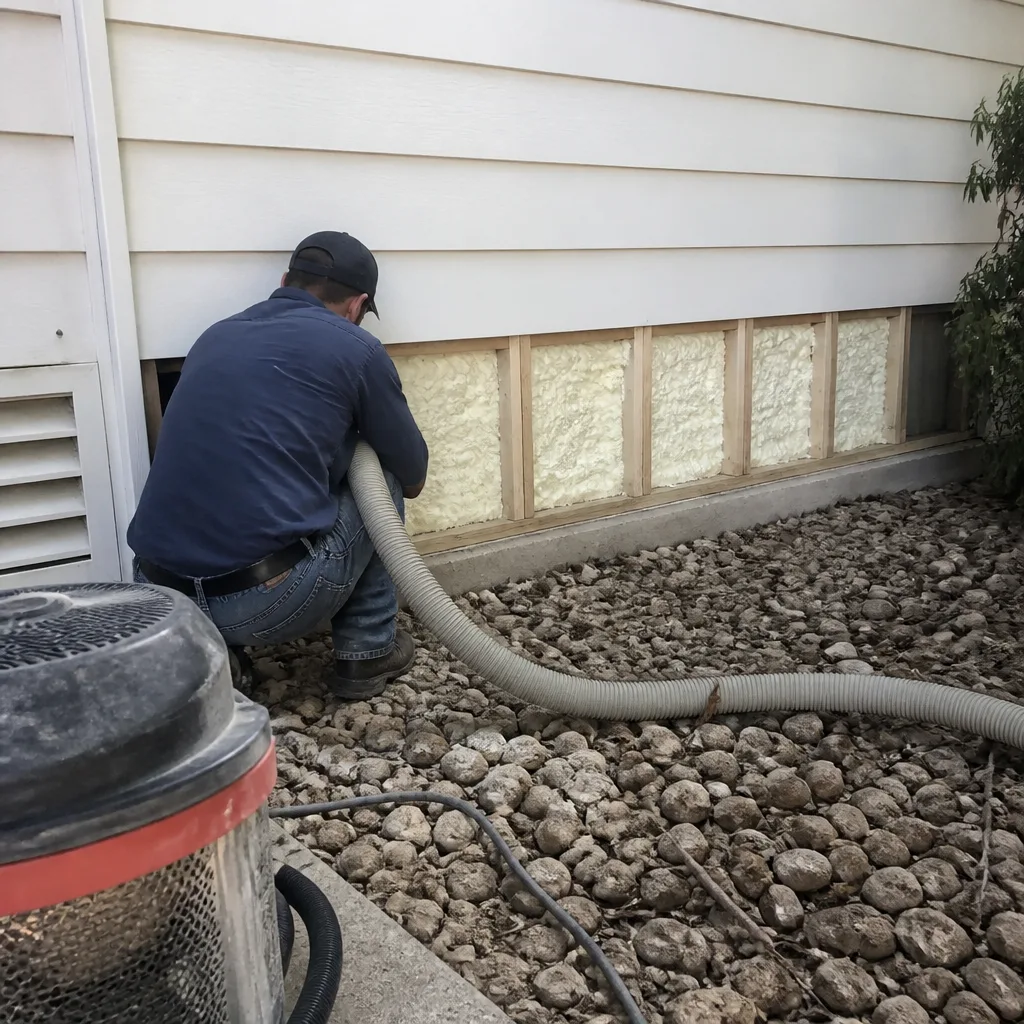 After
AfterSigns You Need Radiant Barrier Installation Right Now
- Your upstairs rooms stay 10+ degrees hotter than downstairs even when the AC runs constantly. This temperature stratification is common in Canyon Lake’s two-story homes with dark shingle roofs and vented attics. The radiant heat load from the roof deck overwhelms the cooling capacity before conditioned air ever reaches the second-floor registers.
- Your electric bill spikes above $300 in July and August despite thermostat settings of 78 or higher. We’ve reviewed utility bills from homes in the Canyon Lake Hills and Canyon Springs subdivisions where the summer cooling load was 40% higher than comparable homes with radiant barriers. The equipment isn’t broken; it’s fighting physics without proper radiant protection.
- Your attic insulation looks compressed, discolored, or has dark streaks on top. Those streaks are dust and dirt that have filtered through the insulation from air leaks below, but they also indicate that the insulation has been absorbing radiant heat and undergoing thermal cycling. A radiant barrier on the attic floor or roof deck protects the insulation from this degradation.
- Your HVAC system cycles on and off rapidly in afternoon hours but runs continuously after 2 PM. This pattern - short-cycling followed by non-stop operation - often means the attic heat gain is exceeding the system’s design load during peak sun hours. The equipment is oversized for the sensible load but undersized for the radiant load, which is exactly the problem a barrier addresses.
- You’re planning to replace your roof within the next two years. The optimal time to install a roof-deck radiant barrier is during re-roofing, when the decking is exposed and the incremental labor cost is minimal. Waiting until after the new roof is installed means paying for attic access labor that would have been unnecessary during the roofing project.
Our Radiant Barrier Installation Process - Step by Step
- 1
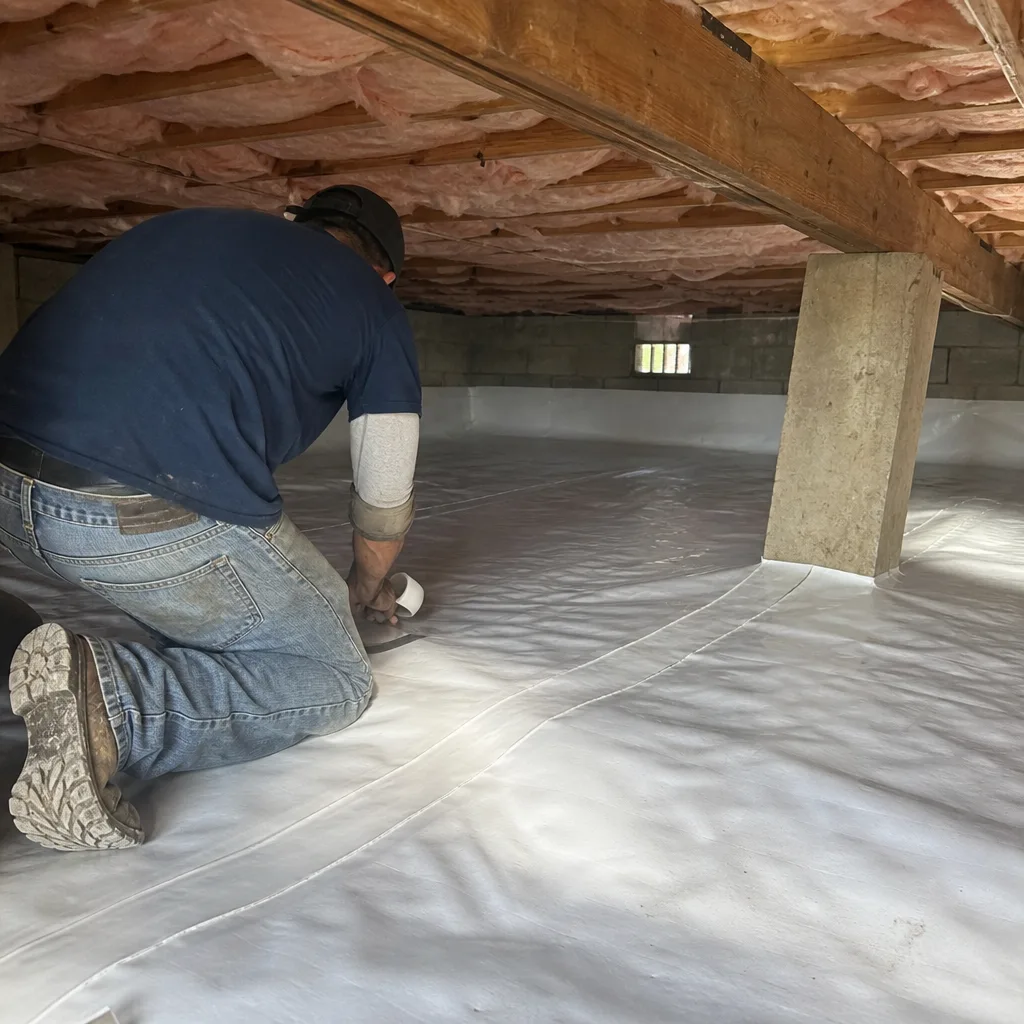
Assessment and blower-door test. We start with a walkthrough of your home and attic, documenting existing insulation depth, ventilation configuration, and air leakage patterns. On applicable jobs, we run a blower-door test - a pressurization reading that shows, in one number, how much air your building envelope is losing. For Canyon Lake homes built between 1985 and 2005, we typically see starting readings of 3,500-5,500 CFM50. We photograph everything and provide you with a written scope and flat price before any work starts, under Haven Standard Clause 1.
- 2
Air sealing before barrier installation. We seal top plates, electrical penetrations, can lights, bath fan housings, and chimney chases with appropriate materials - fire-rated caulk, metal flashing, or foam depending on the penetration type. This step is non-negotiable in our process; we have never installed a radiant barrier over an unsealed attic floor, and we never will. The blower-door test is repeated after sealing to document improvement.
- 3
Radiant barrier material selection and layout. Based on your attic geometry, roof type, and whether you use the attic for storage, we specify the barrier location - rafter-mounted, deck-mounted, or floor-mounted - and the specific product. For Canyon Lake homes with cathedral ceilings or limited attic access, we may specify a perforated foil product that allows some moisture permeability while maintaining reflectivity.
- 4
Installation with documented fastening and gaps. Our crews install to manufacturer specifications with proper air gaps, typically 3/4 inch minimum between the barrier and the roof deck or insulation surface. We use corrosion-resistant staples at specified intervals, and we avoid compressing existing insulation. Every installation is photographed for the Documented Photo Record you receive at job completion.
- 5
Final verification and documentation. We run a final blower-door test on applicable jobs, compare results to the pre-work baseline, and compile your documentation package: written scope, before-and-after photos, blower-door readings, and warranty information for the 365-Day Done Right Promise. You get this record before we leave the site, not on request afterward.
How Much Does Radiant Barrier Installation Cost in Canyon Lake?
A typical attic Radiant Barrier Installation in Bulverde or Canyon Lake runs $1,800-$3,400 for a single-story home with 1,200-2,000 square feet of attic floor area, and $2,800-$4,200 for two-story homes or larger attics with complex rooflines. Roof-deck installation during re-roofing typically adds $1.20-$1.80 per square foot to the roofing project, while retrofit roof-deck work from inside the attic runs higher due to access labor - usually $2,500-$5,000 depending on pitch and obstructions.
Several factors move the price within these ranges. Attic accessibility is the biggest variable; Canyon Lake’s steeper-pitched lake-view homes in the Potters Creek and Comal Park areas require more labor hours than ranch-style homes on flatter lots. The condition of existing insulation matters too - if we need to remove degraded material before installing the barrier, that adds $1.00-$2.50 per square foot. Ventilation corrections, such as adding ridge vents or soffit vents, typically run $400-$1,200 depending on the linear footage required.
To avoid overpaying, get a written scope that specifies the barrier location, product manufacturer, and whether air sealing and ventilation are included or priced separately. We’ve reviewed competitor quotes for Canyon Lake homes where the radiant barrier price looked attractive but air sealing was priced as a separate line item that wasn’t mentioned during the sales conversation. Our price includes everything required for the barrier to perform as designed, and we provide a Free Second Opinion on any written estimate if you’d like us to review a competing quote with you.
Our free estimate includes the attic assessment, blower-door test on applicable jobs, written scope with flat price, and no obligation to proceed. Call (737) 227-6219 to schedule.
Radiant Barrier Installation Near Canyon Lake - Our Service Area
We install radiant barriers throughout the Canyon Lake area with typical response times of same-day to next-day for assessments. Our primary service corridor runs along FM 306 and FM 2673, covering the full lake area including Startzville, Hancock, Sattler, and Cranes Mill. We also regularly work in Bulverde, New Braunfels, Timberwood Park, Selma, Cibolo, Schertz, Universal City, Live Oak, Fair Oaks Ranch, Converse, and Windcrest. Drive time from our Canyon Lake base to New Braunfels is typically 25 minutes, to Schertz 35 minutes, and to Fair Oaks Ranch 40 minutes. We don’t charge travel fees within this service area.
Serving Canyon Lake, TX - Our Local Coverage Area
We’re based in the Canyon Lake area and know this community well. Use the map below to see our service coverage - if you’re nearby, we can almost certainly help.
Frequently Asked Questions - Radiant Barrier Installation in Canyon Lake
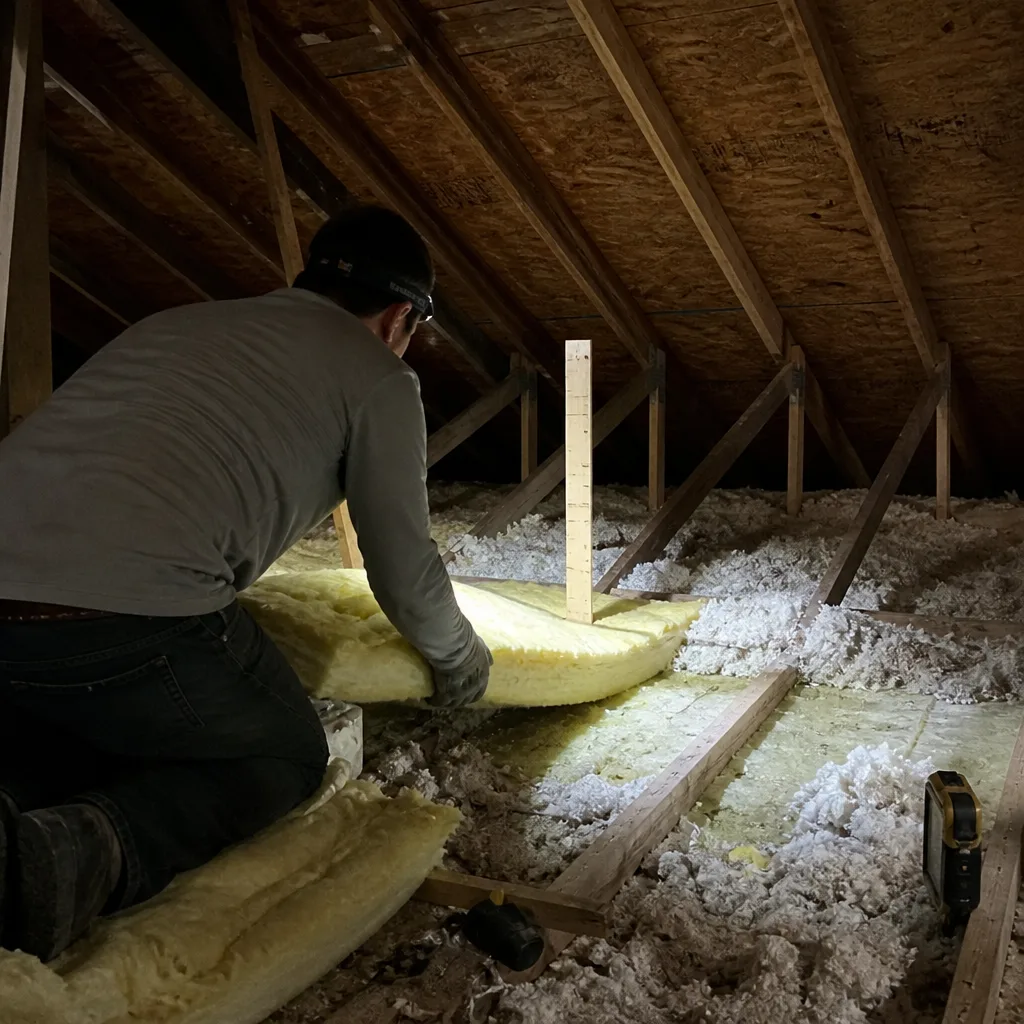
Radiant barrier installation is the process of adding a reflective material - typically aluminum-faced foil or sheet - to your attic to block radiant heat transfer from the roof deck. In Canyon Lake’s climate, this means preventing the sun’s heat from radiating off your roof shingles and into your attic space, where it would otherwise be absorbed by insulation and ductwork. The barrier reflects that heat back toward the roof deck, keeping your attic and everything in it cooler. We install radiant barriers as part of a complete attic system that includes air sealing and proper ventilation, not as a standalone product.
Most residential radiant barrier installations in Canyon Lake are completed in one day, with larger or more complex attics occasionally requiring a second day. A typical 2,000-square-foot attic with standard pitch takes 4-6 hours including the prerequisite air sealing work. Roof-deck retrofits or homes with extensive obstructions - multiple HVAC units, vaulted ceilings, or stored belongings requiring temporary relocation - may extend to 8-10 hours. We provide a specific time estimate in your written scope before work starts, and we don’t leave until the job is complete and documented. Call (737) 227-6219 for a time estimate specific to your home.
Radiant Barrier Installation - New Braunfels and Canyon Lake typically ranges from $1,800 for a basic single-story attic to $4,200 for larger or more complex two-story homes, with roof-deck retrofits at the higher end of that range. The price includes air sealing, material, labor, and your Documented Photo Record; we don’t add surprise charges for staples, fasteners, or basic ventilation adjustments. Your exact price depends on attic size, accessibility, and whether we’re working with new construction, re-roofing, or a retrofit situation. We provide a flat written price before any work starts - call (737) 227-6219 for your free estimate.
Yes, we install Owens Corning radiant barrier products regularly and have done so since 2016, including their AttiCat reflective systems and foil-faced insulation combinations. We also work with Johns Manville, Knauf, and GreenFiber radiant barrier materials, and we carry no exclusive supplier arrangements. Our recommendation is based on your specific roof geometry and performance goals, not on distributor incentives. If your builder or previous contractor specified a particular brand, we can source and install to that specification. Bring us any written specification and we’ll confirm compatibility with your attic conditions.
We don’t classify radiant barrier installation as an emergency service - it’s a planned improvement that doesn’t require same-day response for safety reasons. However, we do answer calls 24/7 through our live answering service, and we can typically schedule an assessment within 24-48 hours throughout the Canyon Lake area. If you’re experiencing an attic-related emergency such as a roof leak or HVAC failure, we can assess whether radiant barrier work should be coordinated with those repairs. For non-urgent scheduling, call (737) 227-6219 or request a callback at your preferred time.
All radiant barrier installations are covered by our 365-Day Done Right Promise - if it’s not done right, we make it right - plus any manufacturer warranty on the specific product installed. Owens Corning and Johns Manville radiant barrier products typically carry 10-year material warranties when installed to specification, which we ensure through our documented installation process. The Haven Standard requires that your written scope, written warranty, and written price are delivered before anyone starts work, so you know exactly what coverage you’re receiving. Warranty claims are handled directly through our office; you don’t navigate a national call center.
Clear a path to your attic access and remove any stored items you need from the attic space for 48 hours before and after the scheduled installation date. We don’t require you to clear the entire attic - our crews work around stored belongings when necessary - but items directly under the work area will need temporary relocation. Ensure we have access to electrical outlets for our tools and lighting, and provide any relevant documentation such as previous energy audits or insulation contractor reports. If you have pets, we ask that they be secured away from the work area; our crews wear uniforms and carry identification, but unfamiliar workers can stress animals. We’ll confirm these details in our pre-arrival text, which includes your technician’s name and estimated arrival window under Haven Standard scheduling protocols.
Schedule Your Radiant Barrier Installation Service in Canyon Lake Today
Call (737) 227-6219 to schedule your free assessment. We’ll run a blower-door test on applicable jobs, provide a written flat price before any work starts, and leave you with a Documented Photo Record and before-and-after performance numbers you can verify. Live person answering 24/7. No obligation, no callback windows, no surprises.
Written by Wes Okafor, Owner at Topside Attic Insulation Canyon Lake, serving Canyon Lake, Bulverde, New Braunfels, and surrounding Hill Country communities since 2016.