
Last updated September 24, 2026
Insulation Permits, Codes & Inspections in TX: What You Need to Know
Texas does not have a single statewide energy code for residential construction. It has 254 counties and hundreds of municipalities, each with the legal option to adopt, amend, or ignore the International Energy Conservation Code. The R-value required for your attic depends specifically on which side of a county line your house sits on. In Canyon Lake, most properties fall under Comal County’s unincorporated jurisdiction, not the City of Canyon Lake’s municipal code, and the difference matters when you pull a permit or sell your home. This guide maps the actual code landscape a Canyon Lake homeowner faces, not the statewide generalization most guides publish.
Quick Answer
Insulation work in Canyon Lake, TX may require a permit depending on whether your property sits in Comal County’s unincorporated area or within Canyon Lake city limits. Comal County currently enforces the 2021 IECC for new construction and substantial renovations, requiring R-49 ceiling insulation in Climate Zone 2, a continuous air barrier, and proper attic ventilation ratios. Existing home retrofits often do not require a permit for insulation-only work, but unpermitted work that violates code can trigger reinspection requirements during resale, especially if the buyer’s lender orders a HUD inspection or the appraisal flags energy compliance gaps.
Table of Contents
- How Texas Adopts Energy Codes (And Why It Matters for Canyon Lake)
- Comal County vs. City of Canyon Lake: Which Authority Covers Your Property
- Climate Zone 2 Requirements: R-Values, Air Barriers, and Ventilation
- When Is a Permit Legally Required for Insulation Work
- What a Code Inspection Actually Checks
- Title 24 Energy Compliance vs. Retrofit R-Value Upgrades
- Common Mistakes to Avoid
- When to Call a Professional
- Frequently Asked Questions
- The Bottom Line
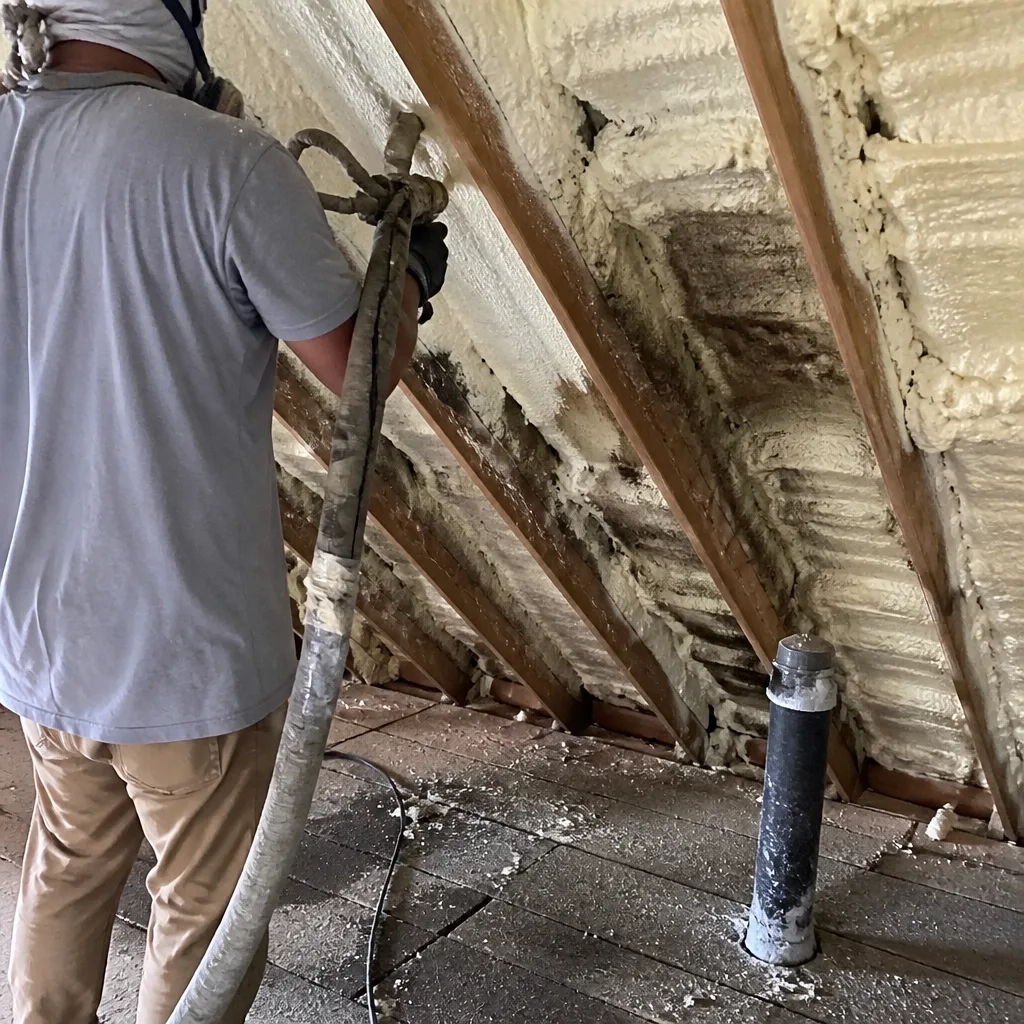 Before
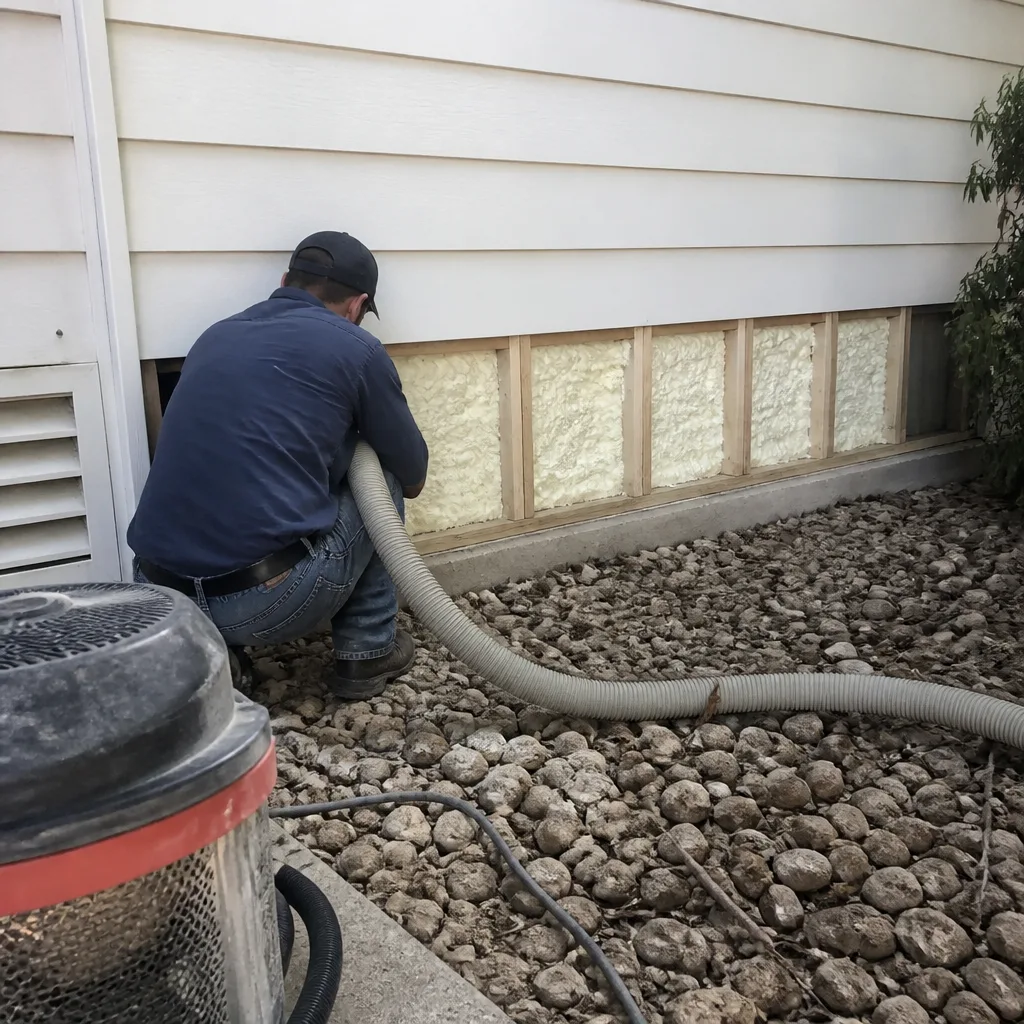 After
AfterHow Texas Adopts Energy Codes (And Why It Matters for Canyon Lake)
Texas is one of a handful of states with no mandatory statewide energy code for residential buildings. The legislature delegates adoption to local governments through Chapter 214 of the Texas Local Government Code. A county or municipality may adopt the International Energy Conservation Code in whole, adopt it with amendments, or decline to adopt it entirely. The result is a patchwork where a house on one side of a road may face entirely different insulation requirements than its neighbor across the street.
For Canyon Lake homeowners, this patchwork is not abstract. Most of the Canyon Lake area sits in Comal County’s unincorporated territory. The City of Canyon Lake itself incorporated in 2022 and is still building out its municipal code infrastructure. As of 2024, the city contracts with Comal County for code enforcement and building inspections, which means many properties within what residents call “Canyon Lake” are actually under Comal County’s adopted standards, not a separate municipal code.
Comal County adopted the 2021 IECC with local amendments. The county’s amendments primarily affect commercial construction and wind-borne debris regions, but residential insulation requirements follow the base 2021 IECC standards for Climate Zone 2. This matters because:
- A homeowner adding insulation to an existing attic in Comal County’s unincorporated area typically does not trigger a permit requirement if the work is purely retrofit and does not involve structural, electrical, or mechanical modifications.
- The same homeowner building an addition or finishing a garage conversion must comply with full 2021 IECC standards, including insulation, air barrier testing, and duct leakage testing if ducts are installed.
- A property that later sells may be subject to lender-ordered inspections that check for code compliance, even if no permit was originally required.
We’ve seen this last scenario repeatedly in Canyon Lake’s Hillside Drive and Madrone Trail neighborhoods, where homes built in the 1980s and 1990s with R-19 attic insulation-often showing insulation warning signs-are now selling to buyers whose lenders flag the gap between existing insulation and current IECC standards. The seller then faces a choice: lower the price, escrow funds for upgrades, or complete the work before closing. Having documentation of what was installed, when, and to what standard prevents these negotiations from becoming expensive surprises.
Comal County vs. City of Canyon Lake: Which Authority Covers Your Property
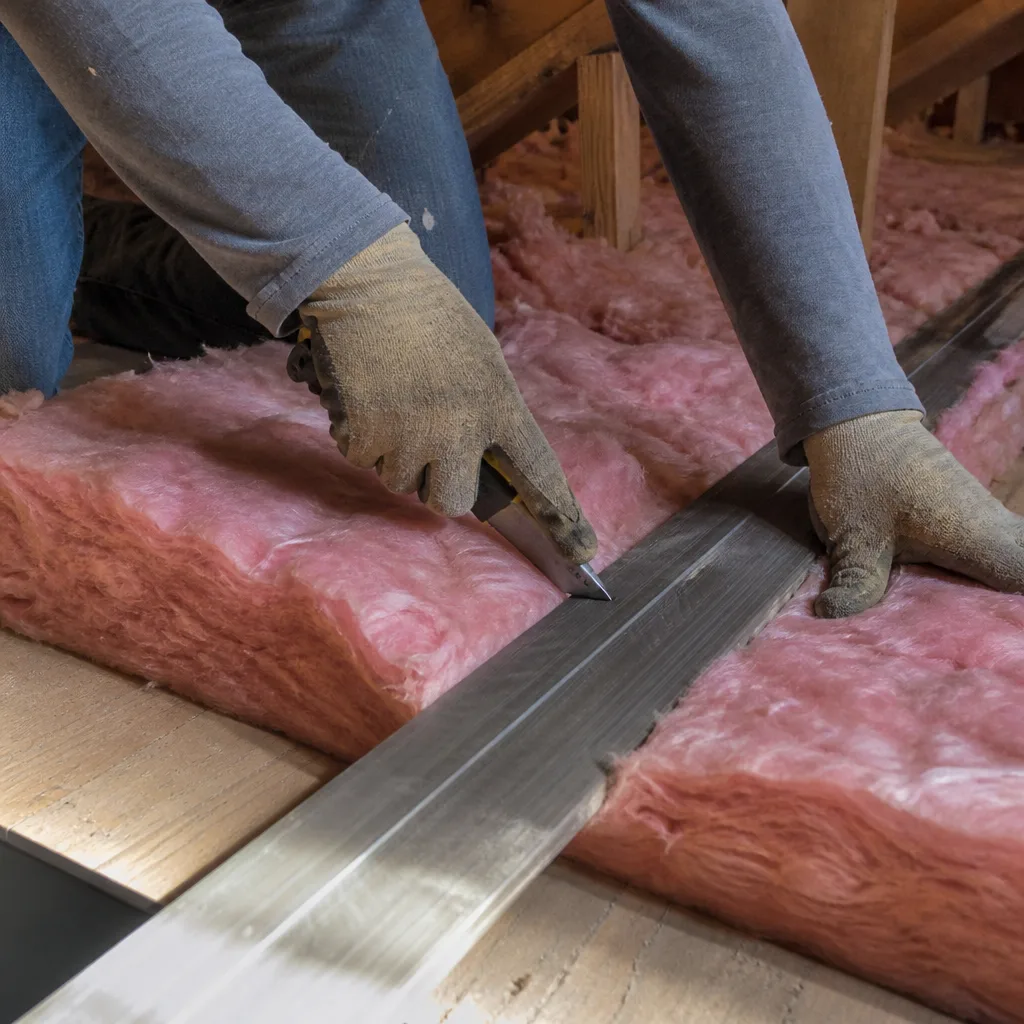
Determining which authority has jurisdiction over your property is the first step before any insulation work begins. Getting this wrong means pulling a permit from the wrong office, or worse, failing to pull a required permit because you assumed the wrong rules applied.
Here’s how to confirm your jurisdiction in three steps:
- Check your property tax statement. The taxing authority listed - Comal County, City of Canyon Lake, or another municipality - indicates your general jurisdiction. This is not definitive for building codes but provides a strong starting point.
- Search the Comal County Central Appraisal District parcel map. Enter your address at comalcad.org. The parcel detail page shows whether the property is within a city’s extraterritorial jurisdiction (ETJ) or fully unincorporated. Properties in the City of Canyon Lake’s ETJ may still follow county code until annexed.
- Call Comal County Development Services at (737) 227-6219. Ask specifically: “Does this property require a building permit for insulation retrofit work, and if so, which office issues it?” Get the name of the person you spoke with and note the date. This documentation protects you if questions arise later.
The distinction matters for enforcement. Comal County’s unincorporated areas rely on the county’s adopted 2021 IECC. The City of Canyon Lake, as a newer municipality, may eventually adopt its own amendments or a different IECC cycle. As of early 2025, the city has not published separate residential energy code amendments, but this could change. Homeowners in the Startzville area and along FM 306 should verify current status before any project, as these areas have seen recent annexation discussions.
We’ve encountered homeowners who assumed their property was “in Canyon Lake” and therefore subject to city rules, when in fact they were in unincorporated Comal County. The reverse also happens. The only reliable source is the county’s development services office, not neighborhood rumor or what a previous owner told you.
Climate Zone 2 Requirements: R-Values, Air Barriers, and Ventilation
Canyon Lake sits in IECC Climate Zone 2, a hot-humid zone covering most of central and south Texas. The 2021 IECC specifies minimum thermal performance for new construction and substantial renovations in this zone. Understanding these numbers helps you evaluate whether your existing insulation meets current standards and what upgrades are worth pursuing.
The 2021 IECC prescriptive requirements for Climate Zone 2 are:
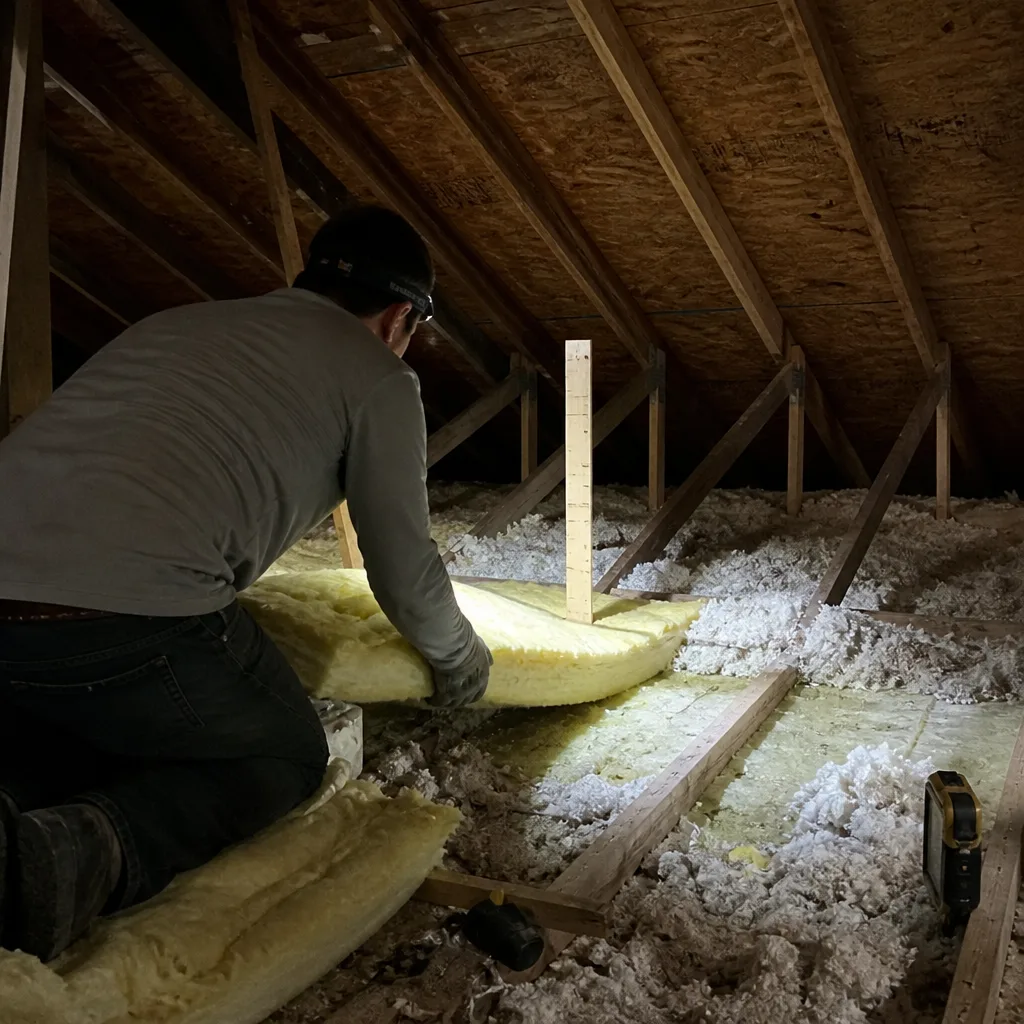
- Ceilings/attics: R-49 minimum for wood-framed construction. This typically requires 14-16 inches of blown fiberglass or cellulose, or 10-12 inches of spray foam depending on product and installation density.
- Walls, above grade: R-20 cavity insulation or R-13 cavity plus R-5 continuous insulated sheathing. Most Canyon Lake homes built before 2010 have R-13 or less in walls.
- Floors over unconditioned space: R-19 minimum. This applies to raised floors over crawl spaces or pier-and-beam construction.
- Slab-on-grade: R-10 insulation extending 2 feet below grade for heated slabs. Unheated slabs have no R-value requirement but benefit from perimeter insulation in Canyon Lake’s clay soils.
The requirement most retrofits overlook is the continuous air barrier. Section R402.4 of the 2021 IECC mandates that the building envelope be sealed to limit air leakage, with specific testing or visual inspection requirements. In practice, this means:
- Top plates (where walls meet ceilings) must be sealed with caulk or foam.
- Recessed can lights in conditioned spaces must be airtight or sealed with a cover.
- Penetrations for plumbing, electrical, and ducts must be sealed.
- Attic access panels must be weatherstripped and insulated.
We’ve tested hundreds of Canyon Lake homes where the attic had adequate R-value by depth measurement but performed poorly because air leakage rendered the insulation ineffective. A blower-door test - a pressurization reading that shows, in one number, how much air your building envelope is losing - typically reveals 3,000-6,000 CFM50 in unsealed homes from the 1980s and 1990s. After proper air sealing, that number often drops 30-50% before any additional insulation is installed. This is why we seal first, then insulate. Blowing new attic insulation in Canyon Lake over an unsealed attic floor is, in our experience, wasting material.
Attic ventilation also receives inspection attention. The 2021 IECC requires a minimum 1:150 ratio of net free ventilating area to attic floor area, or 1:300 if 50-80% of ventilation is at the ridge (balanced ventilation). In Canyon Lake’s humid climate, improper ventilation-something addressed in our seasonal insulation care guide-traps moisture against roof decking, promoting mold and shortening shingle life. Inspectors check for blocked soffit vents, improper bathroom fan termination, and inadequate ridge vent linear footage.
When Is a Permit Legally Required for Insulation Work
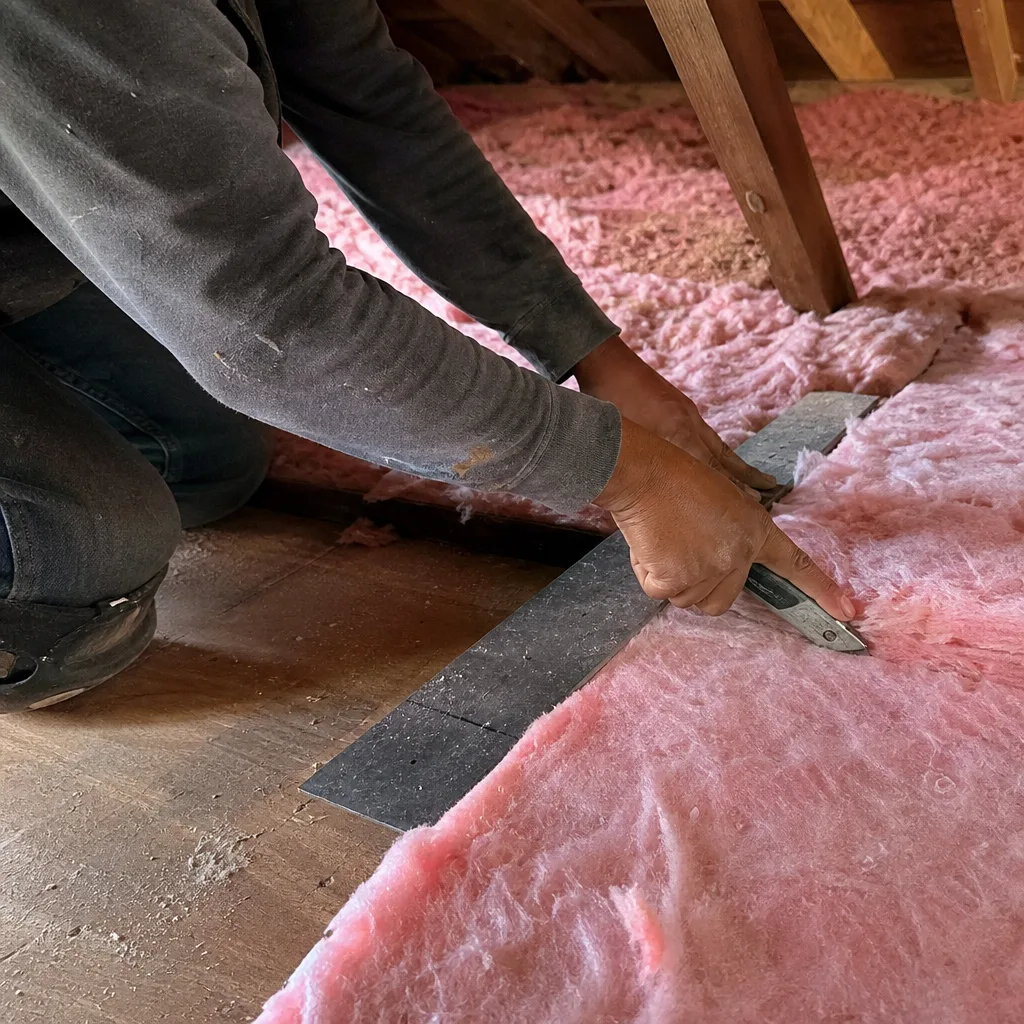
The permit question generates more confusion than any other aspect of insulation work in Canyon Lake. The short answer: it depends on whether your project is classified as repair/maintenance or construction/alteration.
Under Comal County’s adopted codes, a permit is generally not required for:
- Adding insulation to an existing attic without structural modification
- Replacing deteriorated insulation in the same location and R-value
- Installing a radiant barrier in an existing attic
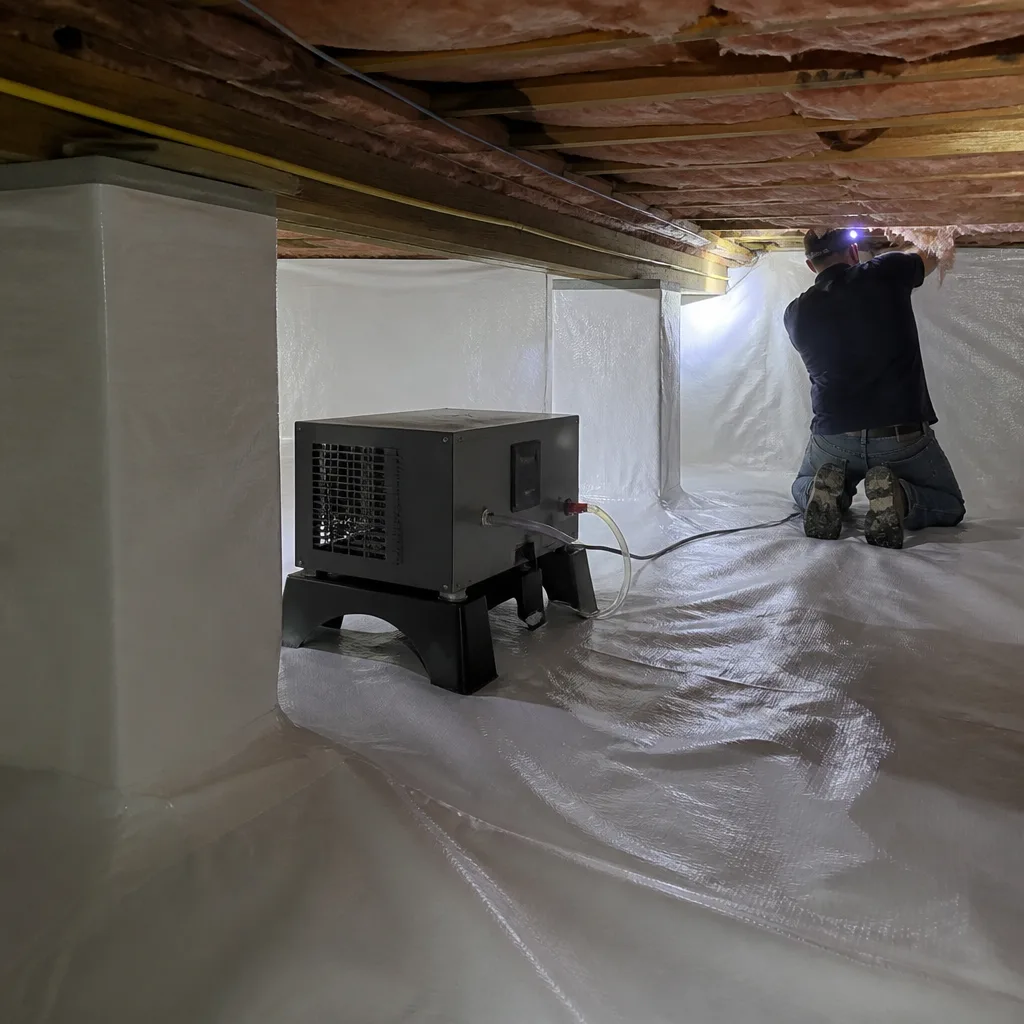
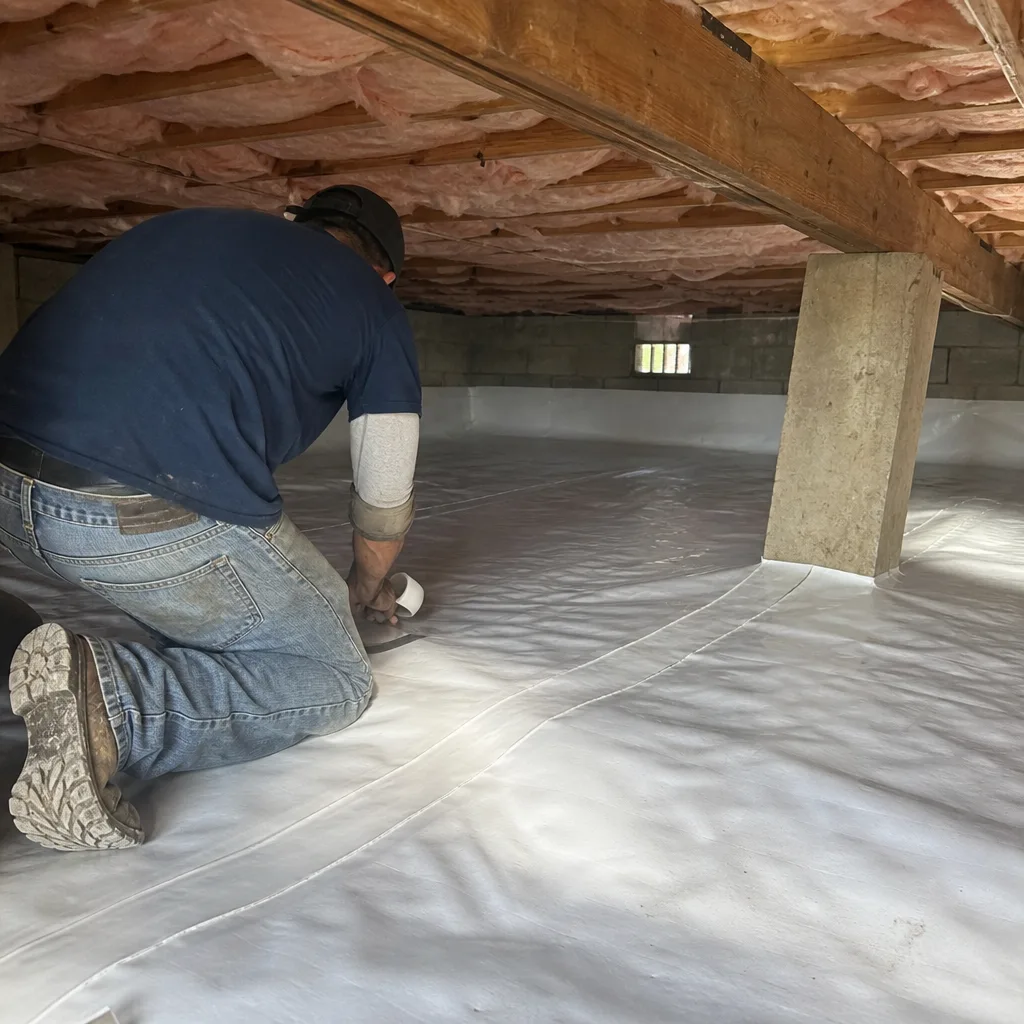
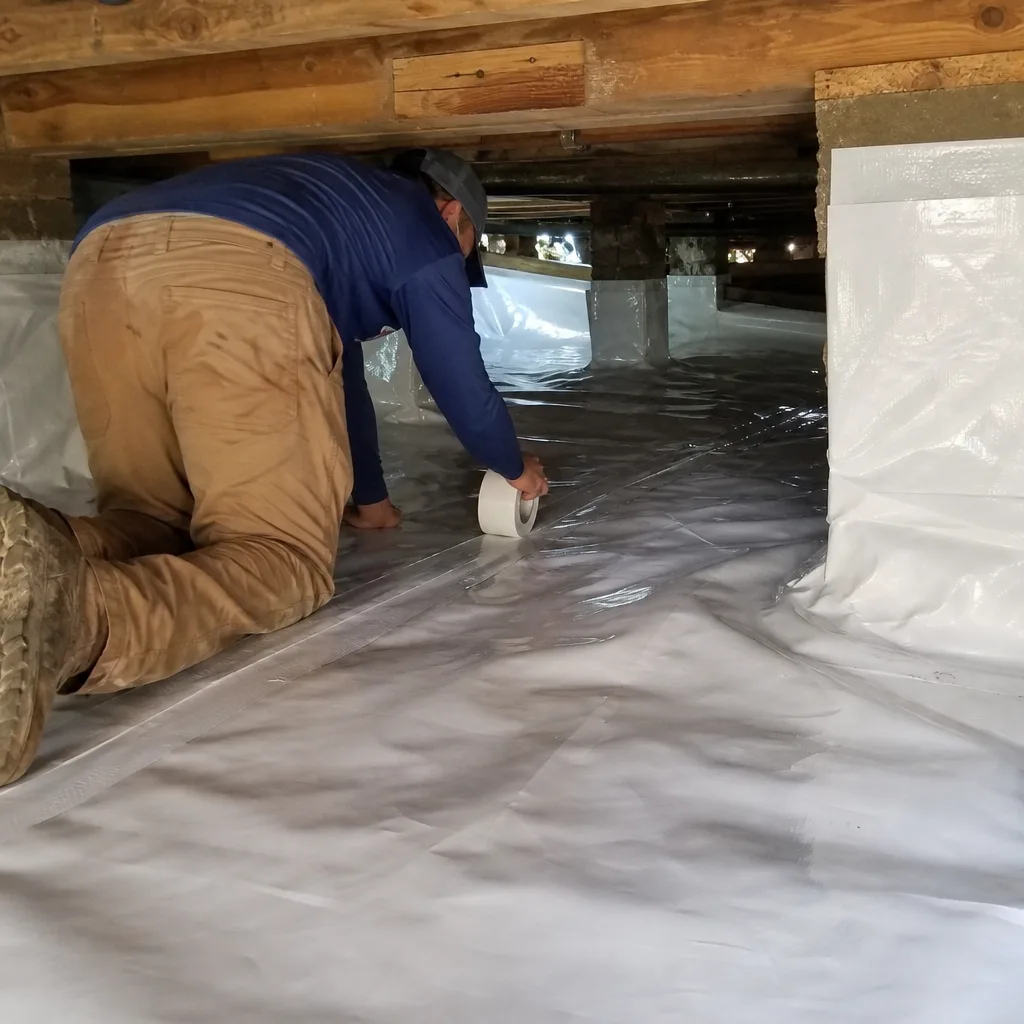
- Crawl space vapor barrier replacement (not encapsulation with dehumidification)
A permit is required for:
- New construction or additions where insulation is part of the building envelope
- Substantial renovations defined as removing and replacing 50% or more of a building component
- Insulation work that involves electrical modifications (recessed light air-sealing that requires fixture replacement, for example)
- Crawl space encapsulation that includes conditioned-air ducting or dehumidification equipment
- Any work where the contractor is also performing structural, mechanical, or plumbing modifications
The reinspection risk on unpermitted work is real but often misunderstood. Comal County does not actively inspect existing homes for permit compliance. The risk emerges at resale, specifically through:
- HUD/FHA inspections: If your buyer uses an FHA loan, the appraiser checks for health and safety issues, including exposed insulation, improper vapor retarder placement, and ventilation adequacy.
- Buyer home inspections: A competent inspector notes insulation depth, type, and condition. If the insulation appears new but no permit is on file, the buyer may request documentation or demand a price reduction.
- Title company requirements: Some title companies in the Canyon Lake area now flag unpermitted structural or energy work as a cloud on title, requiring an affidavit or retroactive permit before closing.
The practical implication: if you’re adding insulation purely for comfort and energy savings in a home you plan to keep, permitting may be optional. If you plan to sell within five years, or if your work involves other trades, pull the permit and keep the documentation. The cost is typically $75-150 for residential insulation-only permits in Comal County, and the paper trail protects your resale value.
What a Code Inspection Actually Checks
Understanding what an inspector verifies helps you prepare documentation and avoid callbacks. For insulation inspections under the 2021 IECC in Comal County, inspectors typically examine four elements:
1. Depth probes and R-value verification
Inspectors use a calibrated probe to measure insulation depth at multiple attic locations. They verify that the installed depth matches the labeled R-value for the product used. A bag of Owens Corning AttiCat blown-in fiberglass labeled for R-49 at 14.75 inches must actually measure 14.75 inches or greater where the inspector probes. Settling, uneven installation, or thin spots near eaves trigger failures. We document our installed depths with photos at multiple points, dated and geotagged, so homeowners have evidence even if the insulation settles before any future inspection.
2. Vapor retarder placement
In Climate Zone 2, the 2021 IECC requires a Class I or II vapor retarder on the interior side of frame walls in most construction types. For attics, the vapor retarder location depends on insulation type. Spray foam assemblies with sufficient thickness act as their own air and vapor control. Fiberglass and cellulose in vented attics typically use a kraft-faced batt or a separate polyethylene sheet on the warm-in-winter side. Inspectors check that the vapor retarder faces the conditioned space, not the attic, and that it is continuous without gaps or tears.
3. Attic ventilation ratios
As noted earlier, inspectors calculate net free ventilating area against attic floor square footage. They verify that soffit vents are unobstructed by insulation (baffles must be installed where insulation contacts the eave), that ridge vents are properly cut and capped, and that powered attic ventilators, if present, do not create negative pressure that pulls conditioned air from the house. In Canyon Lake’s oak-heavy neighborhoods like Canyon Lake Hills, we’ve found many attics where blown insulation has covered soffit vents entirely, violating code even when the R-value is correct-an item we always check on our attic insulation maintenance checklist.
4. Air barrier continuity
For new construction and permitted renovations, inspectors verify air sealing at top plates, penetrations, and attic access points. This may involve visual inspection or, in some jurisdictions, blower-door testing. Comal County currently does not mandate blower-door testing for all residential permits, but the 2021 IECC includes this as an option, and some inspectors are beginning to require it for energy code compliance on larger projects.
The documentation you should have ready for any inspection:
- Manufacturer specification sheets for all insulation products (R-value per inch, coverage charts, settling factors)
- Photos of installed depth measurements, dated
- Air sealing details (caulk types, foam products, locations sealed)
- Ventilation calculations showing net free area and ratio
- Blower-door test results, if performed
Under Haven Standard: Have it in writing. We provide all of this documentation on every job, organized in a digital folder the homeowner keeps permanently. When a future inspector or buyer’s agent asks questions, the answer is already documented.
Title 24 Energy Compliance vs. Retrofit R-Value Upgrades
Texas does not use California’s Title 24 energy code, but the comparison helps explain an important distinction for Canyon Lake homeowners: the difference between prescriptive R-value compliance and performance-based energy compliance.
The 2021 IECC offers two compliance paths:
Prescriptive path: Install insulation that meets or exceeds the R-values in Tables R402.1.1 and R402.1.2. This is the simplest route and the one most insulation contractors follow. Install R-49 in the attic, R-20 in walls, done. The inspector verifies depths and moves on.
Performance path (Simulated Performance Alternative, Section R405): Use approved software to model the building’s energy use, trading off insulation levels against other efficiency measures. A home with R-38 attic insulation might still comply if it has exceptional window performance, reduced air leakage, or high-efficiency HVAC equipment.
The performance path matters for Canyon Lake homeowners in two situations:
- New construction or major additions: Builders often use performance modeling to optimize costs, sometimes reducing insulation levels in one area to pay for upgrades elsewhere. If you buy a new home, the energy compliance documentation should specify which path was used and what the modeled annual energy cost is.
- Deep energy retrofits: A homeowner replacing windows, upgrading HVAC, and adding insulation simultaneously may benefit from performance modeling to identify the most cost-effective package. We’ve used this approach on several Topside Attic Insulation Canyon Lake home projects where the homeowner wanted to minimize utility bills rather than simply meet code minimums.
The key difference for existing home retrofits: most insulation-only projects in Canyon Lake do not trigger performance path requirements because they are not permitted new construction. However, if your retrofit is part of a larger renovation with a permit, or if you are pursuing utility rebates from CPS Energy or Guadalupe Valley Electric Cooperative, you may need to demonstrate compliance through either path. CPS Energy’s rebate programs, for example, require a pre- and post-work assessment that effectively functions as a simplified performance verification.
For homeowners not pursuing rebates or permits, the practical standard is still prescriptive: install enough insulation to achieve the R-value that matches your comfort goals and budget. We typically recommend R-49 for attics in Canyon Lake even when not strictly required, because the marginal cost of additional blown fiberglass or cellulose is low compared to the lifetime energy savings in our cooling-dominated climate. Spray foam insulation in Canyon Lake achieves R-49 at lower thickness but at higher material cost; the trade-off depends on your specific attic geometry and access constraints.
Common Mistakes to Avoid
- Assuming your neighborhood follows the same rules as the next. A home on the Comal County side of Startzville Road faces different permit requirements than one on the Guadalupe County side. Verify jurisdiction with the county, not your HOA or neighbor.
- Installing insulation over unsealed air leaks. We’ve removed years of new insulation from Canyon Lake attics where the homeowner paid for R-49 but got R-49 performance only in the spots without wind washing. Air sealing first is non-negotiable for actual performance.
- Using the wrong vapor retarder for our climate. Polyethylene sheeting on the interior of walls in hot-humid Climate Zone 2 can trap moisture and promote mold. Kraft-faced batts or smart vapor retarders that adapt to seasonal conditions are appropriate here; interior polyethylene is not.
- Blocking soffit vents with blown insulation. This is the most common code failure we see in existing Canyon Lake attics. Baffles cost $2-4 each and 15 minutes to install. Skipping them risks moisture damage and inspector rejection.
- Failing to document what was installed. Without manufacturer specs, depth photos, and dated records, you have no defense if a future buyer questions your insulation. Our Documented Photo Record on every visit exists specifically to prevent this gap.
- Ignoring the air barrier requirement because it’s “just a retrofit.” Even when not required by permit, an unsealed envelope wastes insulation investment. Our before-and-after blower-door numbers prove the difference; we’ve seen 4,200 CFM50 drop to 2,100 after sealing, with no insulation added yet.
- Assuming new construction standards apply to your 1990s home. Existing homes are not required to meet current IECC standards unless substantially renovated. However, understanding current standards helps you evaluate whether an upgrade is worth the cost and what a buyer might expect.
When to Call a Professional
Call a professional when your project involves permit uncertainty, multiple building systems, or safety-critical work. Specifically: if you cannot confirm your jurisdiction after checking the CAD parcel map; if your attic has active leaks, knob-and-tube wiring, or deteriorated decking; if you’re considering spray foam and need to evaluate ventilation compatibility; or if you’re preparing a home for sale and want documentation that will satisfy lender inspections.
Topside Attic Insulation Canyon Lake offers free estimates in Canyon Lake. We’ll confirm your jurisdiction, assess your current insulation and air leakage, and provide a written price before any work starts. Call (737) 227-6219 to schedule. Every estimate includes a Documented Photo Record of what we find, and on applicable jobs, we provide before-and-after blower-door readings so you can verify the air-sealing result you paid for.
Frequently Asked Questions
Probably not, if the work is purely adding or replacing insulation in an existing attic without structural, electrical, or mechanical modifications. Comal County’s unincorporated areas, where most Canyon Lake properties sit, do not require permits for maintenance-level insulation work. If your project includes finishing an attic, replacing recessed lights, or modifying HVAC ducting, a permit is required. Call Comal County Development Services at (737) 227-6219 with your address to confirm. For a free assessment of whether your specific project needs permitting, call us at (737) 227-6219.
Current new construction in Climate Zone 2 requires R-49 minimum for ceilings. Most existing Canyon Lake homes have R-19 to R-30. Upgrading to R-49 typically requires 14-16 inches of blown fiberglass or cellulose. The cost-effectiveness depends on your current level, attic accessibility, and whether air sealing is performed first. We can measure your existing depth and calculate the payback period during a free estimate.
It can, depending on the buyer’s financing and inspection. FHA and VA loans require appraisers to note health and safety issues, including exposed or improperly installed insulation. A buyer’s home inspector may flag new-looking insulation without permit documentation, leading to price negotiations. The risk is lower for older, settled insulation that appears consistent with the home’s age. To protect yourself, keep manufacturer specifications, installation photos, and any contractor invoices. Our Documented Photo Record provides this documentation automatically.
A blower-door test is a pressurization reading that shows, in one number, how much air your building envelope is losing. A powerful fan depressurizes the house while sensors measure airflow required to maintain the pressure difference. Comal County does not currently require blower-door testing for most residential insulation permits, but we perform them on every applicable job because they reveal leakage locations that visual inspection misses. A typical unsealed Canyon Lake home from the 1990s reads 3,500-5,500 CFM50; after our air sealing, 1,800-3,000 CFM50 is common. The number proves the work worked.
No. The 2021 IECC requires insulation materials to be labeled with R-value, and installed R-value must match or exceed the prescriptive requirement. Specific products we use from Johns Manville, Knauf, and Rockwool carry the necessary labeling and third-party certification. Spray foam must meet fire-resistance and ignition-barrier requirements for occupied spaces. In crawl spaces, certain materials are prohibited due to moisture susceptibility. We specify appropriate materials for each application in our written scope.
Check your property tax statement for the taxing authority, then verify at comalcad.org using the parcel search. If the address shows “City of Canyon Lake” in the jurisdiction field, call the city’s planning department at (737) 227-6219. If it shows unincorporated Comal County, call Comal County Development Services at (737) 227-6219. Properties near the lake shoreline, in Startzville, and along FM 306 have particularly complex jurisdictional boundaries due to recent incorporation and ETZ changes. When in doubt, call both offices and document the response.
The inspector issues a correction notice specifying the deficiency: insufficient depth, improper vapor retarder placement, blocked ventilation, or incomplete air sealing. You correct the issue and request reinspection, typically at no additional fee for the first reinspection if completed within the permit’s active period. The most common failures we see in Canyon Lake are insufficient depth at eaves (where installers stop short of the exterior wall) and insulation covering soffit vents. Our crews address both during installation, and our photo documentation shows compliance before the inspector arrives.
The Bottom Line
Texas’s local-option energy code system means Canyon Lake homeowners must verify their specific jurisdiction before assuming any set of rules applies. Most properties fall under Comal County’s adopted 2021 IECC, requiring R-49 attic insulation, continuous air barriers, and proper ventilation for new construction and substantial renovations. Existing home retrofits often need no permit, but unpermitted work without documentation creates resale risk. The performance gap between code-minimum R-value and actual comfort is almost always air leakage, which is why we seal first, measure with a blower-door test, then insulate, and provide documented proof of both. Understanding these distinctions protects your investment, your resale value, and your home’s actual energy performance. For more guides & resources, visit our blog.
Written by Wes Okafor, Owner at Topside Attic Insulation Canyon Lake, serving Canyon Lake since 2016.